
The pump jack, also called a nodding donkey or beam pumping unit, is the iconic reciprocating surface drive for oil wells producing by rod pump ¡ª the horse-head shaped counterbalanced beam that rocks up and down, lifting fluid from depths of 300 to 3 000 m through a string of sucker rods. The planetary gearbox inside the pump jack gearbox reduces the electric motor speed to the 2 to 20 strokes per minute of the walking beam, while the counterbalance weights on the crank reduce the peak motor torque. This is one of the most demanding gear applications in the petroleum industry: continuous outdoor operation in extreme climates, high cyclic torque loading, and service lives measured in decades with only annual oil changes and bearing greasing as scheduled maintenance.
Pump Jack Drive Architecture
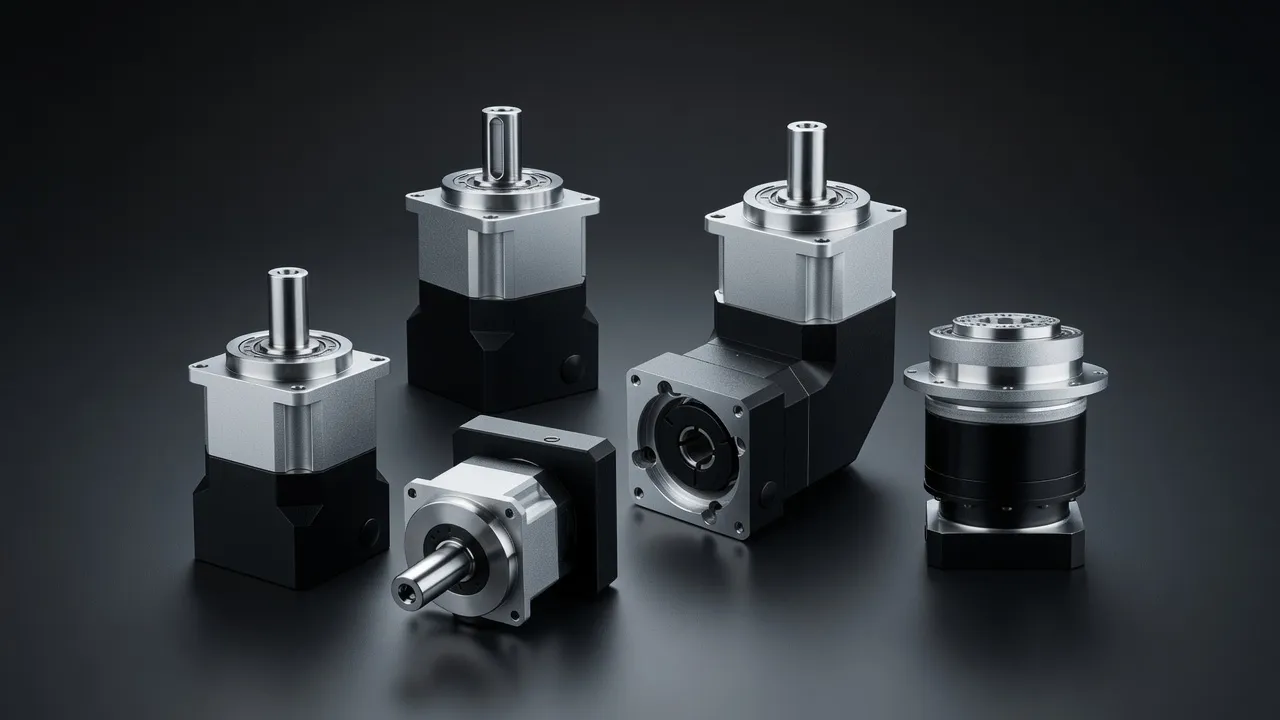
A conventional pump jack uses a parallel-shaft or planetary gearbox mounted on the base of the unit, with a V-belt or direct coupling from the motor. The gearbox output shaft connects to the crank, which converts rotary motion to reciprocating beam motion through a pitman arm. The crank completes one full revolution per pump stroke, so at 12 strokes per minute the crank rotates at 12 rpm. From a 1 440 rpm motor: required ratio = 1 440 / 12 = 120:1. Heavy-duty pump jack gearboxes in Australian oil fields typically use two or three-stage gear reduction achieving 30:1 to 200:1 total ratio depending on motor speed and target stroke rate.
| Well Depth | Fluid Column Load | Stroke Rate | Required Crank Torque | Motor Power | Gearbox Ratio |
|---|---|---|---|---|---|
| 300 m shallow | 15 kN | 16 spm | 8 000 N¡¤m | 7.5 kW | 1:90 |
| 800 m medium | 40 kN | 12 spm | 25 000 N¡¤m | 18.5 kW | 1:120 |
| 1 500 m deep | 80 kN | 8 spm | 60 000 N¡¤m | 37 kW | 1:160 |
| 2 500 m very deep | 120 kN | 5 spm | 100 000 N¡¤m | 55 kW | 1:200 |
| 3 000 m+ ultra deep | 160 kN | 4 spm | 150 000 N¡¤m | 75 kW | Custom |
Crank torque includes counterbalance reduction effect. spm = strokes per minute.
Cyclic Torque Load and Gearbox Fatigue
The torque on a pump jack crank is not constant ¡ª it varies sinusoidally through the stroke cycle, with the peak upstroke torque (lifting the fluid column and rod string) far exceeding the downstroke torque. This cyclic torque loading creates a fatigue spectrum on the planet gear teeth where the tooth root experiences a fully reversed bending stress cycle rather than a pulsating stress cycle. Fully reversed bending fatigue limits are lower than pulsating limits by 30% to 40%, which must be reflected in the tooth root safety factor calculation. A minimum safety factor of 2.0 against fully reversed bending fatigue is appropriate for pump jack planetary gearboxes.
Outdoor Climate Durability: Australian Desert and Coastal Fields
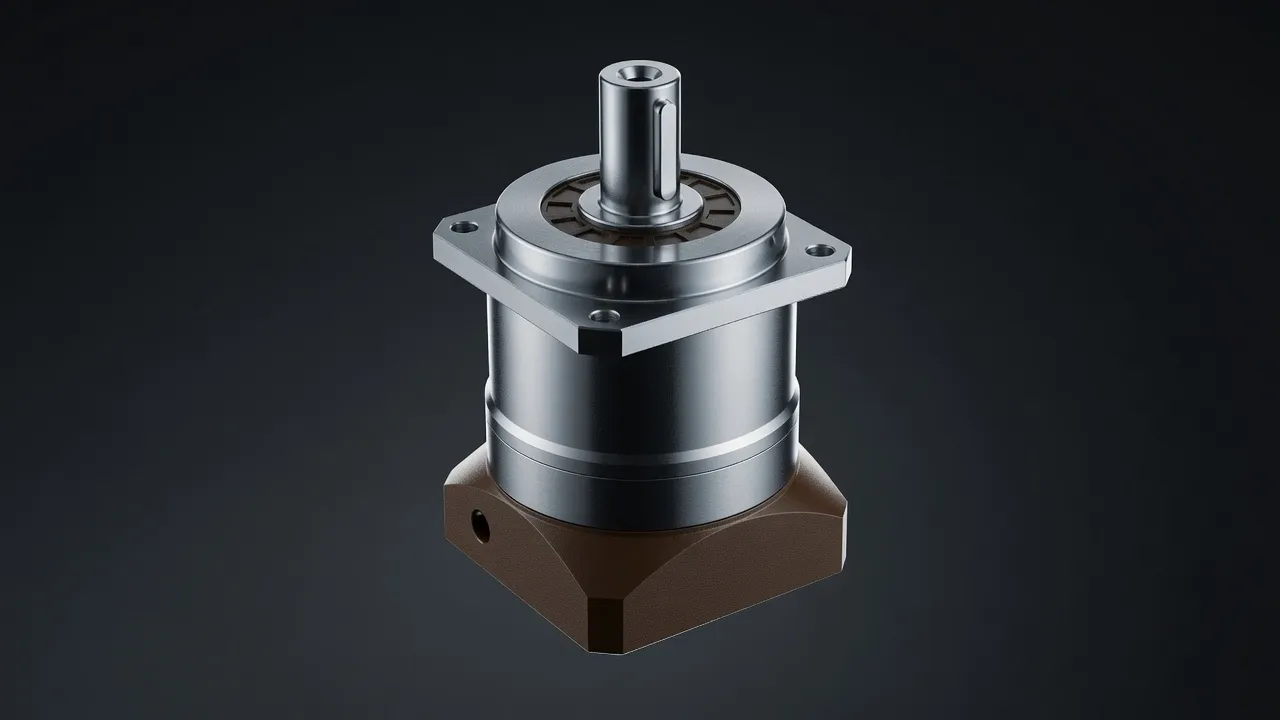
Australian oil production occurs across a wide range of climates: the Cooper Basin in outback South Australia and Queensland sees ambient temperatures from minus 5¡ãC in winter nights to plus 50¡ãC in summer days; the offshore Carnarvon Basin in Western Australia combines tropical heat with marine humidity and salt spray; Bass Strait production encounters cold, high-humidity marine conditions. The pump jack gearbox must function reliably across this full range without operator intervention between scheduled service visits. Synthetic PAO oil at ISO VG 320 maintains adequate film thickness from minus 10¡ãC cold start to plus 80¡ãC housing temperature in summer, covering the Cooper Basin range without grade change. The EPX heavy planetary series with sealed housing, IP65 protection, and marine-grade external coating provides the environmental protection level appropriate for outdoor oil field gearboxes in coastal and high-humidity locations. The EPB high-precision torque planetary offers an alternative with closer torque monitoring capability for production-optimised smart pump jack installations where real-time dynamometer card analysis drives stroke rate adjustment.
Counterbalance Optimisation and Motor Sizing
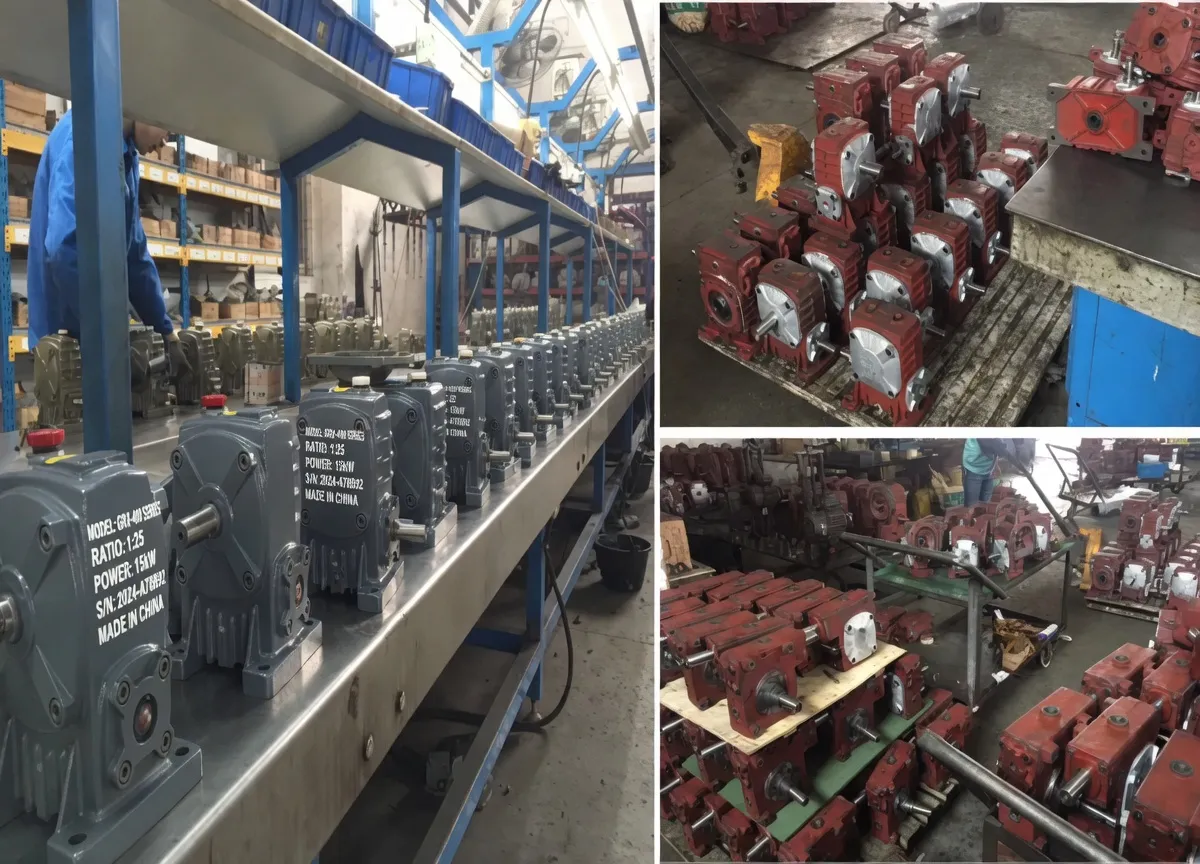
The counterbalance weights on the pump jack crank reduce the peak motor torque by partially offsetting the upstroke rod load. Optimal counterbalance reduces the peak torque to approximately twice the average torque, minimising motor size and gearbox cyclic loading. Counterbalance is adjusted by moving the weights radially on the crank on conventional units or by adding or removing weight segments on air-balance units. A pump jack that is under-counterbalanced produces very high peak upstroke torque, overloading the gearbox cyclically and shortening gear and bearing life. Periodic dynamometer card analysis and counterbalance adjustment should be performed at every annual service visit. For comparable outdoor drive applications in petroleum field equipment, the HRV104 high-temperature worm gearbox demonstrates the sealing and thermal design considerations for drives operating continuously in extreme ambient temperature ranges.
Frequently Asked Questions
Speak with a Planetary Drive Specialist
Share your torque requirement, ratio, and application environment ¡ª our team at Condell Park NSW returns a sized recommendation and stock check within one business day. No obligation.