
Gas pipeline compressor stations along the Roma to Brisbane pipeline, the Moomba to Sydney pipeline, and the Dampier to Bunbury pipeline in Western Australia are required to operate continuously and reliably for decades with minimal unplanned downtime, because gas supply interruptions have immediate and costly consequences for industrial consumers and residential heating. The planetary gearbox between the drive motor and the compressor impeller or cylinder must deliver the right shaft speed for the compressor design operating point, survive the cyclic torques from reciprocating cylinders or the continuous load from centrifugal impellers, and maintain its rated efficiency over decades without the daily maintenance attention available in a factory setting.
Compressor Types and Drive Speed Requirements
Reciprocating Compressors
Reciprocating compressors used on smaller pipeline stations run at 300 to 600 rpm. From an electric motor at 1 480 rpm: required ratio = 1 480 / 400 = 3.7:1 to 4.9:1. This low ratio is achievable in a single planetary stage, though many pipeline operators use a direct-coupled motor running at compressor speed to eliminate the gearbox entirely. Where speed adjustment is needed, a single-stage planetary at 1:3 to 1:6 ratio is the standard solution.
Centrifugal Compressors
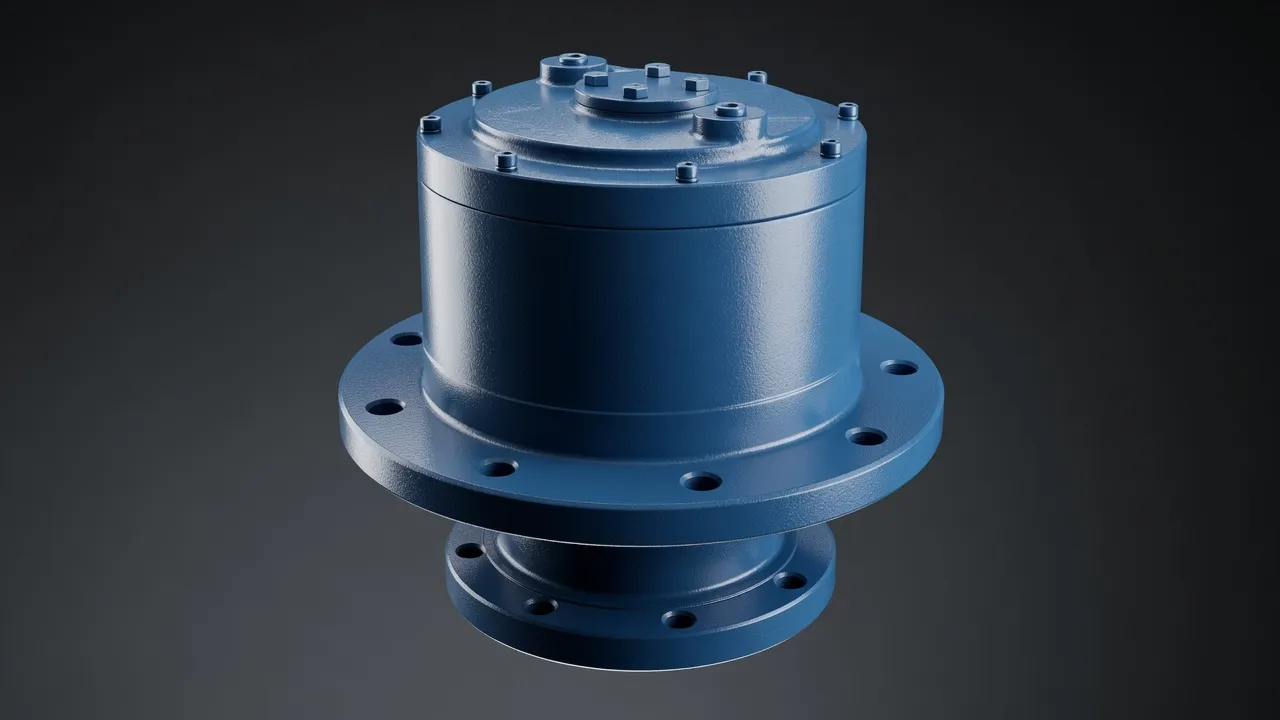
Centrifugal compressors for large pipeline stations run at 3 000 to 10 000 rpm depending on the impeller diameter and design pressure. From an electric motor at 1 480 rpm, a planetary gearbox providing 2:1 to 7:1 step-up ratio achieves the compressor design speed. The EPG two-stage precision planetary is appropriate for electric-driven centrifugal compressor speed-increase applications in smaller pipeline stations, while the EPX heavy planetary series covers higher-power applications requiring sustained continuous-duty torque at compressor design speed.
| Compressor Type | Shaft Speed | Motor/Turbine Speed | Required Ratio | Drive Arrangement |
|---|---|---|---|---|
| Reciprocating 2-stage | 300¨C500 rpm | 1 480 rpm | 3:1¨C5:1 | Single planetary or direct |
| Centrifugal medium | 5 000¨C7 000 rpm | 1 480 rpm | 3.4:1¨C4.7:1 step-up | Single planetary step-up |
| Centrifugal large | 8 000¨C12 000 rpm | 3 000 rpm GT | 2.7:1¨C4.0:1 step-up | Integral gear step-up |
| Screw compressor | 2 000¨C4 000 rpm | 1 480 rpm | 1.4:1¨C2.7:1 step-up | Single stage planetary |
| Axial flow large | 3 000¨C5 000 rpm | 3 000 rpm GT | 1:1 direct | Flexible coupling no gearbox |
Step-up gearboxes increase output speed above input speed.
API 613 Standard for Pipeline Gearboxes
Pipeline compressor gearboxes are designed and tested to API Standard 613, which specifies minimum material grades, gear tooth accuracy at AGMA Class 12 or better, tooth surface finish at Ra 0.4 micrometres or better on flanks, and test requirements including a minimum 4-hour mechanical run test at rated conditions with oil temperature and vibration monitoring.
Hydrodynamic Bearings for Long Continuous Service
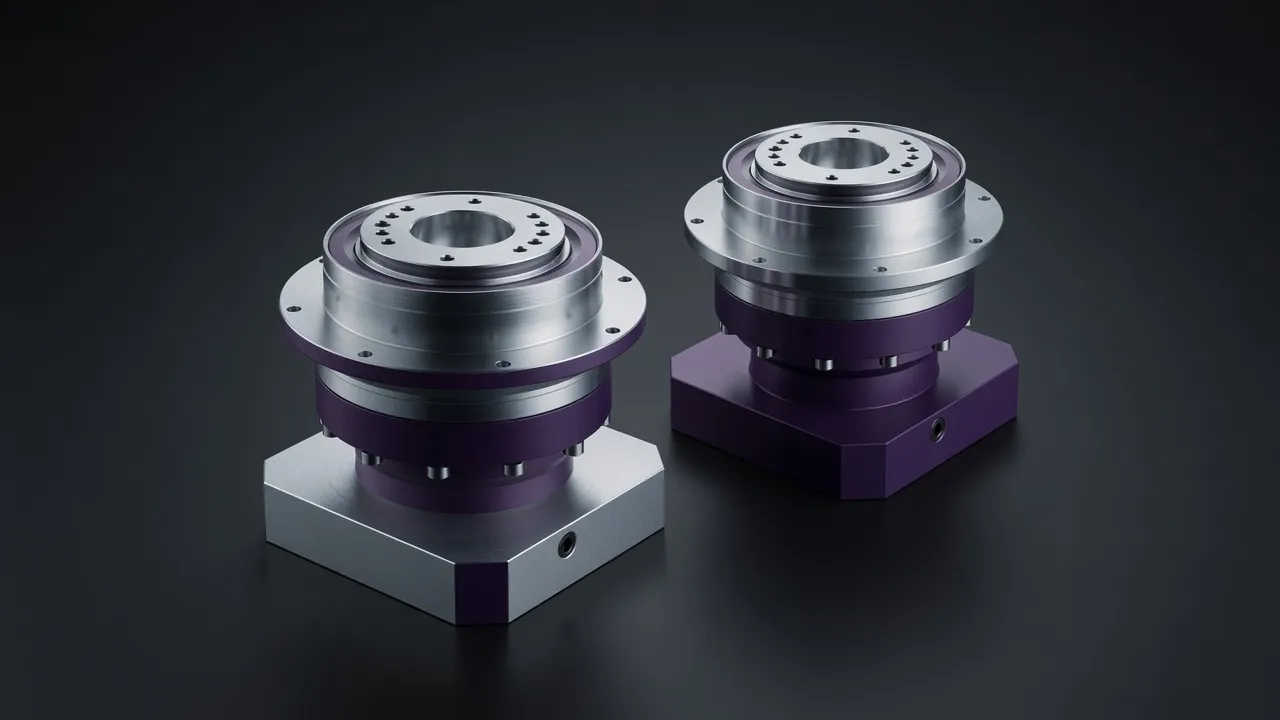
Pipeline compressor planetary gearboxes above a certain power level use hydrodynamic sleeve bearings rather than rolling element bearings on the planet shafts and main shafts. Hydrodynamic bearings have no rolling elements to fatigue and theoretically unlimited life if the oil film is maintained continuously. Their limitation is sensitivity to momentary oil film disruption: if the oil supply pressure drops below the minimum for more than a few seconds, the bearing surfaces contact and scoring damage occurs within seconds. Oil supply pressure monitoring with automatic emergency shutdown is mandatory on all hydrodynamic-bearing pipeline gearboxes. For smaller pipeline compressor drives where rolling element bearings are appropriate, the EPB high-precision torque planetary series provides a precision planetary drive with factory-inspected bearing preload settings suitable for continuous-service pipeline station installations. For comparable precision drive applications at remote industrial sites, the PGV planetary gearbox provides a reference for precision planetary drive performance at smaller power levels.
Remote Site Operation and Condition Monitoring
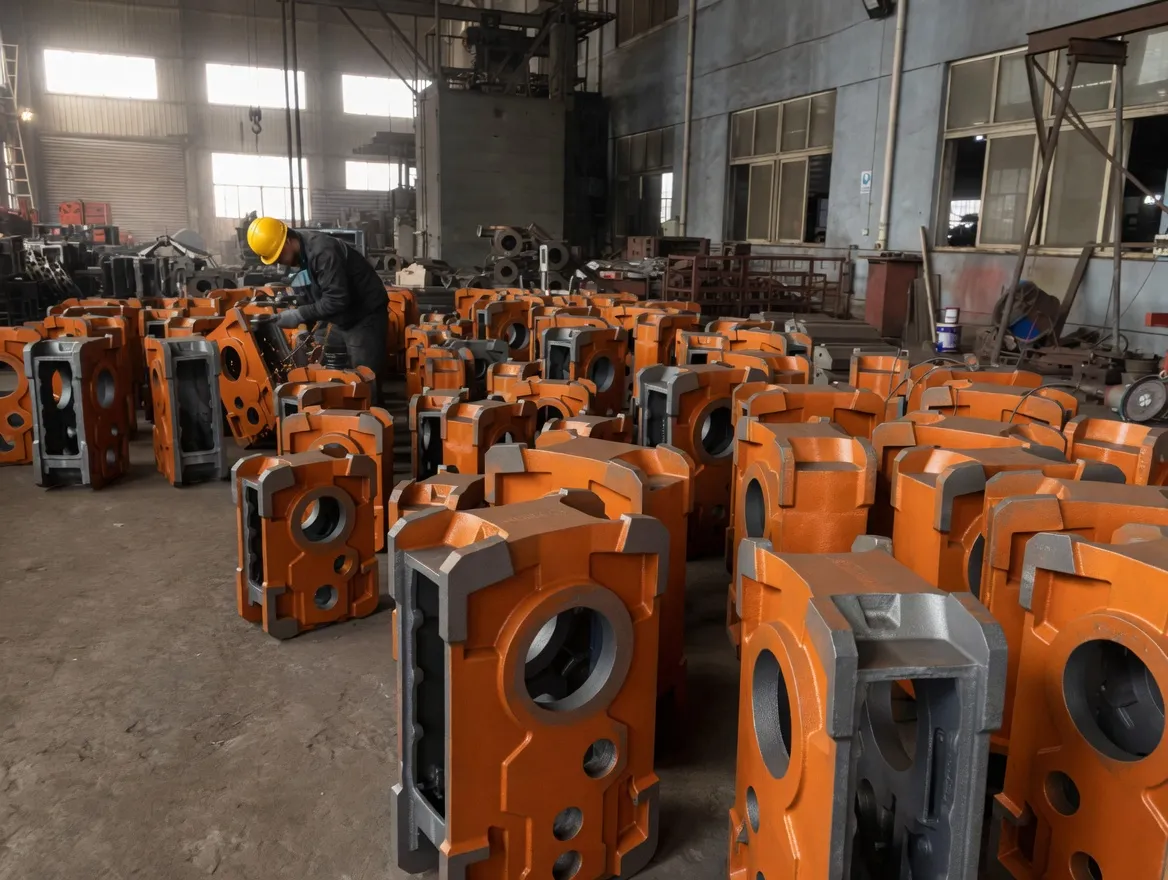
Pipeline compressor stations are often located at remote sites along the pipeline route ¡ª 200 km from the nearest town, accessible only by dirt road or helicopter. Maintenance personnel visit on a scheduled basis, and unplanned visits due to equipment failure are expensive and operationally disruptive. This remoteness drives the specification of comprehensive condition monitoring on pipeline gearboxes: vibration sensors at each bearing with remote telemetry to the pipeline control room, oil temperature and pressure monitoring, oil particle counters with automatic sampling, and magnetic debris traps with alarm contacts. Faults are diagnosed remotely from trending data, and maintenance visits are dispatched only when monitoring data confirms a developing fault.
Frequently Asked Questions
Speak with a Planetary Drive Specialist
Share your torque requirement, ratio, and application environment ¡ª our team at Condell Park NSW returns a sized recommendation and stock check within one business day. No obligation.