
Product Description
Details Photos:
1.It is equipped with an angular contact ball bearing, so it can support the external load with the rigid moment and large allowable moment
2.Easy assemble, small vibration
3.It can reduce the motor straight junction (input gear) and inertia
4.Large torsional rigidity
5.Strong impact resistance (500% of rated torque)
6.The crankshaft is supported by 2 columns in the reducer
7.Excellent starting efficiency & Small wear and long service life
8.Small backlash (1arc. Min.) & Use rolling bearing
9.Strong impact resistance (500% of rated torque)
10.The number of simultaneous engagements between RV gear and needle teeth is large
Advantages:
1. High precision, high torque
2. Dedicated technical personnel can be on the go to provide design solutions
3. Factory direct sales fine workmanship durable quality assurance
4. Product quality issues have a one-year warranty time, can be returned for replacement or repair
Company profile:
HangZhou CZPT Technology Co., Ltd. was established in 2014. Based on long-term accumulated experience in mechanical design and manufacturing, various types of harmonic reducers have been developed according to the different needs of customers. The company is in a stage of rapid development. , Equipment and personnel are constantly expanding. Now we have a group of experienced technical and managerial personnel, with advanced equipment, complete testing methods, and product manufacturing and design capabilities. Product design and production can be carried out according to customer needs, and a variety of high-precision transmission components such as harmonic reducers and RV reducers have been formed; the products have been sold in domestic and global(Such as USA, Germany, Turkey, India) and have been used in industrial robots, machine tools, medical equipment, laser processing, cutting, and dispensing, Brush making, LED equipment manufacturing, precision electronic equipment, and other industries have established a good reputation.
In the future, Hongwing will adhere to the purpose of gathering talents, keeping close to the market, and technological innovation, carry CZPT the value pursuit in the field of harmonic drive&RV reducers, seek the common development of the company and the society, and quietly build itself into a CZPT brand with independent intellectual property rights. Quality supplier in the field of precision transmission”.
Strength factory:
Our plant has an entire campus The number of workshops is around 300 Whether it’s from the production of raw materials and the procurement of raw materials to the inspection of finished products, we’re doing it ourselves. There is a complete production system
HST-I Parameter:
| Rated Table | ||||||||||||||
| Output rotational speed (rpm) | 5 | 10 | 15 | 20 | 25 | 30 | 40 | 50 | 60 | |||||
| Model | Speed ratio code | Transmission Ratio(R) | Output Torque (Nm) / Enter the capacity (kW |
|||||||||||
| Rotation of axes | Housing rotation | |||||||||||||
| RV-6E | 31 | 31 | 30 | 101 / 0.07 |
81 / 0.11 |
72 / 0.15 |
66 / 0.19 |
62 / 0.22 |
58 / 0.25 |
54 / 0.30 |
50 / 0.35 |
47 / 0.40 |
||
| 43 | 43 | 42 | ||||||||||||
| 53.5 | 53.5 | 52.5 | ||||||||||||
| 59 | 59 | 58 | ||||||||||||
| 79 | 79 | 78 | ||||||||||||
| 103 | 103 | 102 | ||||||||||||
| RV-20E | 57 | 57 | 56 | 231 / 0.16 |
188 / 0.26 |
167 / 0.35 |
153 / 0.43 |
143 / 0.50 |
135 / 0.57 |
124 / 0.70 |
115 / 0.81 |
110 / 0.92 |
||
| 81 | 81 | 80 | ||||||||||||
| 105 | 105 | 104 | ||||||||||||
| 121 | 121 | 120 | ||||||||||||
| 141 | 141 | 140 | ||||||||||||
| 161 | 161 | 160 | ||||||||||||
| RV-40E | 57 | 57 | 56 | 572 / 0.40 |
465 / 0.65 |
412 / 0.86 |
377 / 1.05 |
353 / 1.23 |
334 / 1.40 |
307 / 1.71 |
287 / 2.00 |
271 / 2.27 |
||
| 81 | 81 | 80 | ||||||||||||
| 105 | 105 | 104 | ||||||||||||
| 121 | 121 | 120 | ||||||||||||
| 153 | 153 | 152 | ||||||||||||
| RV-80E | 57 | 57 | 56 | 1,088 / 0.76 |
885 / 1.24 |
784 / 1.64 |
719 / 2.01 |
672 / 2.35 |
637 / 2.67 |
584 / 3.26 |
546 / 3.81 |
517 / 4.33 |
||
| 81 | 81 | 80 | ||||||||||||
| 101 | 101 | 100 | ||||||||||||
| 121 | 121 | 120 | ||||||||||||
| 153 | 1(153) | 1(152) | ||||||||||||
| RV-110E | 81 | 81 | 80 | 1,499 / 1.05 |
1,215 / 1.70 |
1,078 / 2.26 |
990 / 2.76 |
925 / 3.23 |
875 / 3.67 |
804 / 4.49 |
||||
| 111 | 111 | 110 | ||||||||||||
| 161 | 161 | 160 | ||||||||||||
| 175 | 1227/7 | 1220/7 | ||||||||||||
| RV-160E | 81 | 81 | 80 | 2,176 / 1.52 |
1,774 / 2.48 |
1,568 / 3.28 |
1,441 / 4.02 |
1,343 / 4.69 |
1,274 / 5.34 |
|||||
| 101 | 101 | 100 | ||||||||||||
| 129 | 129 | 128 | ||||||||||||
| 145 | 145 | 144 | ||||||||||||
| 171 | 171 | 170 | ||||||||||||
| RV-320E | 81 | 81 | 80 | 4,361 / 3.04 |
3,538 / 4.94 |
3,136 / 6.57 |
2,881 / 8.05 |
2,695 / 9.41 |
2,548 / 10.7 |
|||||
| 101 | 101 | 100 | ||||||||||||
| 118.5 | 118.5 | 117.5 | ||||||||||||
| 129 | 129 | 128 | ||||||||||||
| 141 | 141 | 140 | ||||||||||||
| 171 | 171 | 170 | ||||||||||||
| 185 | 185 | 184 | ||||||||||||
| RV-450E | 81 | 81 | 80 | 6,135 / 4.28 |
4,978 / 6.95 |
4,410 / 9.24 |
4,047 / 11.3 |
3,783 / 13.2 |
||||||
| 101 | 101 | 100 | ||||||||||||
| 118.5 | 118.5 | 117.5 | ||||||||||||
| 129 | 129 | 128 | ||||||||||||
| 154.8 | 2013/13 | 2000/13 | ||||||||||||
| 171 | 171 | 170 | ||||||||||||
| 192 | 1347/7 | 1340/7 | ||||||||||||
| Note: 1. The allowable output speed is affected by duty cycle, load, and ambient temperature. When the allowable output speed is above NS1, please consult our company about the precautions. 2. Calculate the input capacity (kW) by the following formula. |
||||||||||||||
| Input capacity (kW) =(2π*N*T)/(60*η/100*10*10*10) | N: output speed (RPM) T: output torque (nm) η = 75: reducer efficiency (%) |
|||||||||||||
| The input capacity is the reference value. 3. When using the reducer at a low temperature, the no-load running torque will increase, so please pay attention when selecting the motor. (refer to p.93 low-temperature characteristics) |
||||||||||||||
| T0 Rated torque(Remark .7) |
N0 Rated output speed |
K Rated life |
TS1 Allowable starting and stopping torque |
TS2 Instantaneous maximum allowable torque |
NS0 Allowable maximum output speed (Remark .1) |
Backlash | Empty distance MAX. | Angle transmission error MAX. | A representative value of starting efficiency | MO1 Allowable moment (Remark .4) |
MO2 Instantaneous maximum allowable moment |
Wr Allowable radial load (Remark .10) |
I Converted value of inertia moment input shaft (Remark .5) |
Weight |
| (Nm) | (rpm) | (h) | (Nm) | (Nm) | (r/min) | (arc.sec.) | (arc.min.) | (arc.sec.) | (%) | (Nm) | (Nm) | (N) | (kgm2) | (kg) |
| 58 | 30 | 6,000 | 117 | 294 | 100 | 1.5 | 1.5 | 80 | 70 | 196 | 392 | 2,140 | 2.63×10⁻⁶ | 2.5 |
| 2.00×10⁻⁶ | ||||||||||||||
| 1.53×10⁻⁶ | ||||||||||||||
| 1.39×10⁻⁶ | ||||||||||||||
| 1.09×10⁻⁶ | ||||||||||||||
| 0.74×10⁻⁶ | ||||||||||||||
| 167 | 15 | 6,000 | 412 | 833 | 75 | 1.0 | 1.0 | 70 | 75 | 882 | 1,764 | 7,785 | 9.66×10⁻⁶ | 4.7 |
| 6.07×10⁻⁶ | ||||||||||||||
| 4.32×10⁻⁶ | ||||||||||||||
| 3.56×10⁻⁶ | ||||||||||||||
| 2.88×10⁻⁶ | ||||||||||||||
| 2.39×10⁻⁶ | ||||||||||||||
| 412 | 15 | 6,000 | 1,571 | 2,058 | 70 | 1.0 | 1.0 | 60 | 85 | 1,666 | 3,332 | 11,594 | 3.25×10⁻⁵ | 9.3 |
| 2.20×10⁻⁵ | ||||||||||||||
| 1.63×10⁻⁵ | ||||||||||||||
| 1.37×10⁻⁵ | ||||||||||||||
| 1.01×10⁻⁵ | ||||||||||||||
| 784 | 15 | 6,000 | 1,960 | Bolt tightening 3920 | 70 | 1.0 | 1.0 | 50 | 85 | Bolt fastening 2156 | Bolt tightening | Bolt tightening 12988 | 8.16×10⁻⁵ | Bolt tightening 13.1 |
| 6.00×10⁻⁵ | ||||||||||||||
| 4.82×10⁻⁵ | ||||||||||||||
| Pin combination 3185 | Pin combination 1735 | Pin combination 2156 | Pin combination 1571 | Pin combination 12.7 | ||||||||||
| 3.96×10⁻⁵ | ||||||||||||||
| 2.98×10⁻⁵ | ||||||||||||||
| 1,078 | 15 | 6,000 | 2,695 | 5,390 | 50 | 1.0 | 1.0 | 50 | 85 | 2,940 | 5,880 | 16,648 | 9.88×10⁻⁵ | 17.4 |
| 6.96×10⁻⁵ | ||||||||||||||
| 4.36×10⁻⁵ | ||||||||||||||
| 3.89×10⁻⁵ | ||||||||||||||
| 1,568 | 15 | 6,000 | 3,920 | Bolt tightening 7840 | 45 | 1.0 | 1.0 | 50 | 85 | 3,920 | Bolt tightening 7840 | 18,587 | 1.77×10⁻⁴ | 26.4 |
| 1.40×10⁻⁴ | ||||||||||||||
| 1.06×10⁻⁴ | ||||||||||||||
| Pin and use 6615 | Pin and use 6762 | |||||||||||||
| 0.87×10⁻⁴ | ||||||||||||||
| 0.74×10⁻⁴ | ||||||||||||||
| 3,136 | 15 | 6,000 | 7,840 | Bolt tightening 15680 | 35 | 1.0 | 1.0 | 50 | 80 | Bolt tightening 7056 | Bolt tightening 14112 | Bolt tightening 28067 | 4.83×10⁻⁴ | 44.3 |
| 3.79×10⁻⁴ | ||||||||||||||
| 3.15×10⁻⁴ | ||||||||||||||
| 2.84×10⁻⁴ | ||||||||||||||
| Pin combination 12250 | Pin combination 6174 | Pin and use 1571 | Pin combination 24558 | |||||||||||
| 2.54×10⁻⁴ | ||||||||||||||
| 1.97×10⁻⁴ | ||||||||||||||
| 1.77×10⁻⁴ | ||||||||||||||
| 4,410 | 15 | 6,000 | 11,571 | Bolt tightening 22050 | 25 | 1.0 | 1.0 | 50 | 85 | 8,820 | Bolt tightening 17640 | 30,133 | 8.75×10⁻⁴ | 66.4 |
| 6.91×10⁻⁴ | ||||||||||||||
| 5.75×10⁻⁴ | ||||||||||||||
| 5.20×10⁻⁴ | ||||||||||||||
| Pin and use 18620 | Pin and use 13524 | |||||||||||||
| 4.12×10⁻⁴ | ||||||||||||||
| 3.61×10⁻⁴ | ||||||||||||||
| 3.07×10⁻⁴ | ||||||||||||||
| 4. The allowable torque will vary according to the thrust load. Please confirm by the allowable moment line diagram (p.91). 5. The value of inertia moment is the value of the reducer body. The moment of inertia of the input gear is not included. 6. For moment stiffness and torsion stiffness, please refer to the calculation of inclination angle and torsion angle (p.99). 7. Rated torque refers to the torque value reflecting the rated life at rated output speed, not the data showing the upper limit of load. Please refer to the glossary (p.81) and product selection flow chart (p.82). 8. If you want to buy products other than the above speed ratio, please consult our company. 9. The above specifications are obtained according to the company’s evaluation method. Please confirm that the product meets the use conditions of carrying real aircraft before use. 10. When a radial load is applied to dimension B, please use it within the allowable radial load range. 11. 1 RV-80e r = 153 is only output shaft bolt fastening type( P.20,21) |
||||||||||||||
APPLICATIONS:
FQA:
Q: What should I provide when I choose a gearbox/speed reducer?
A: The best way is to provide the motor drawing with parameters. Our engineer will check and recommend the most suitable gearbox model for your reference.
Or you can also provide the below specification as well:
1) Type, model, and torque.
2) Ratio or output speed
3) Working condition and connection method
4) Quality and installed machine name
5) Input mode and input speed
6) Motor brand model or flange and motor shaft size
| Application: | Motor, Motorcycle, Machinery, Agricultural Machinery |
|---|---|
| Hardness: | Hardened Tooth Surface |
| Installation: | Horizontal Type |
| Layout: | Coaxial |
| Gear Shape: | Cylindrical Gear |
| Step: | Single-Step |
| Samples: |
US$ 600/Piece
1 Piece(Min.Order) | |
|---|
| Customization: |
Available
| Customized Request |
|---|
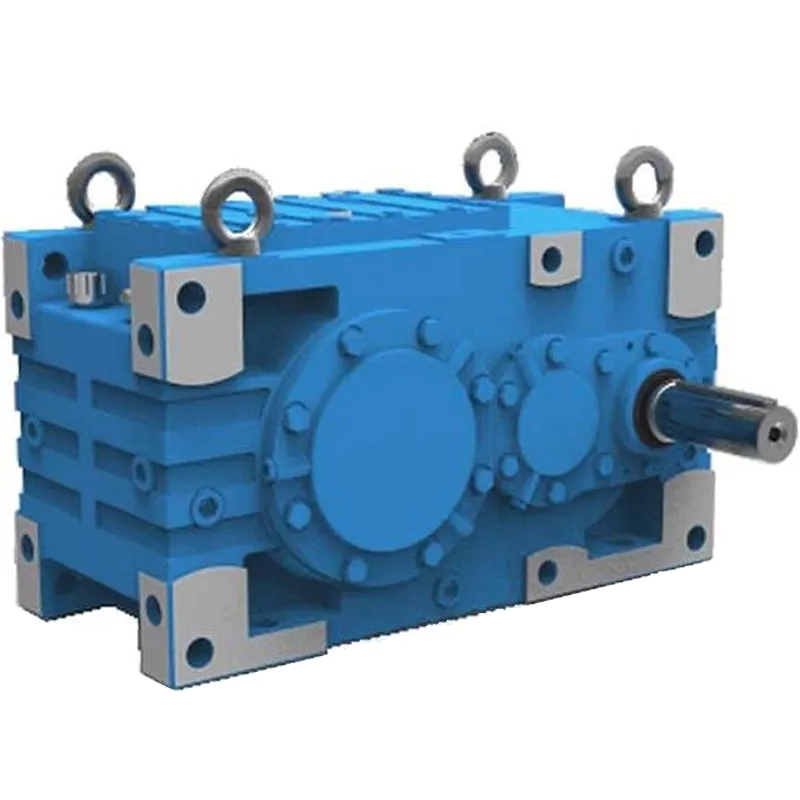
Types of Speed Reducer Gearboxes and Their Applications
Speed reducer gearboxes come in various types, each designed to suit specific applications and performance requirements. These gearbox designs leverage different gear arrangements and mechanisms to achieve the desired speed reduction and torque amplification. Here are some common types of speed reducer gearboxes and their applications:
1. Planetary Gearbox: Planetary gearboxes, also known as epicyclic gearboxes, consist of a central sun gear, multiple planet gears, and a ring gear. This compact design allows for high torque output and efficiency. Planetary gearboxes are commonly used in applications requiring high torque and precision, such as robotic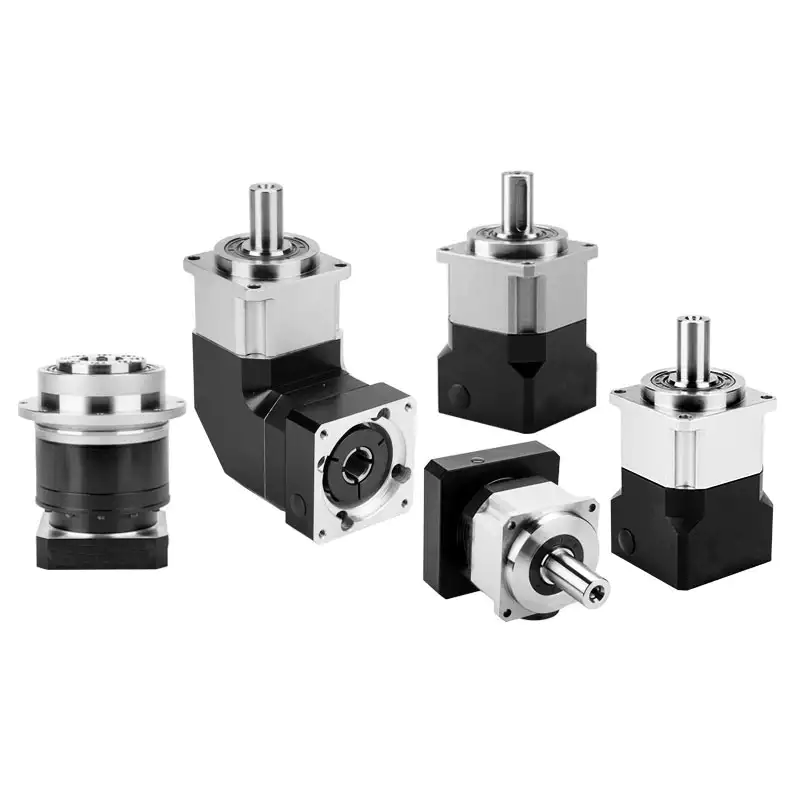
Impact of Gear Ratios on Performance of Speed Reducer Gearboxes
Gear ratios in speed reducer gearboxes play a crucial role in determining their performance characteristics and capabilities. The gear ratio represents the ratio of the number of teeth on the driving (input) gear to the number of teeth on the driven (output) gear within the gearbox. This ratio directly affects how the gearbox transforms the input speed and torque into the desired output speed and torque.
Speed Reduction: A higher gear ratio in a speed reducer gearbox results in greater speed reduction. In this case, the input shaft’s higher rotational speed is converted into a lower rotational speed at the output shaft. This is advantageous for applications that require i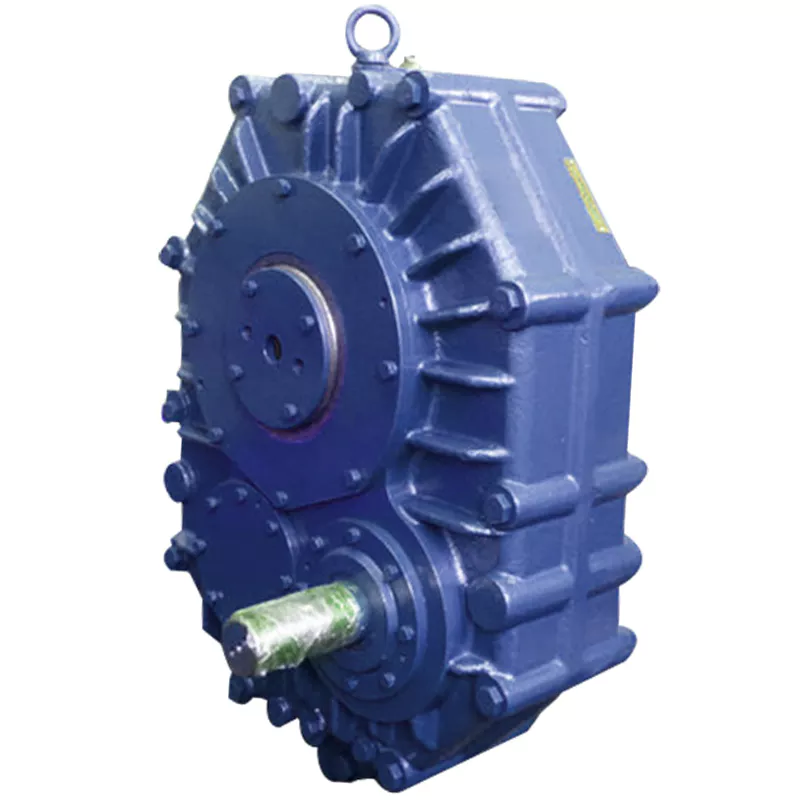
Ensuring Precision of Gear Tooth Profiles in Speed Reducer Gearboxes
Manufacturers employ several techniques to ensure the precision of gear tooth profiles in speed reducer gearboxes, which is crucial for optimal performance and longevity:
- High-Quality Materials: Manufacturers use high-quality materials for gear manufacturing, such as hardened steel or specialized alloys, to enhance durability and minimize wear.
- Precision Machining: Advanced machining processes, including CNC (Computer Numerical Control) machining and grinding, ensure accurate tooth profiles and precise gear dimensions.
- Tooth Profile Design: Detailed tooth profile designs based on mathematical calculations and engineering principles help optimize meshing and minimize stress concentration.
- Tooth Forming Techniques: Various tooth forming methods, such as hobbing, shaping, and broaching, are employed to create accurate gear tooth profiles with minimal deviations.
- Heat Treatment: Heat treatment processes like carburizing, quenching, and tempering are used to achieve the desired hardness and strength, ensuring gear teeth can withstand operational stresses.
- Quality Control: Rigorous quality control measures, including inspection using precision tools like coordinate measuring machines (CMMs), ensure compliance with design specifications.
- Lubrication and Surface Coatings: Proper lubrication and specialized surface coatings help reduce friction and wear, maintaining accurate tooth profiles during operation.
By implementing these techniques and adhering to stringent quality standards, manufacturers can achieve the required precision in gear tooth profiles, resulting in smooth and efficient operation of speed reducer gearboxes.
ncreased torque and reduced speed, such as heavy-duty machinery and conveyor systems.
Speed Increase: Conversely, a lower gear ratio in a speed reducer gearbox leads to speed increase. The input shaft’s rotational speed is transformed into a higher rotational speed at the output shaft, albeit with decreased torque. This configuration is useful in applications where higher speed is necessary, such as certain types of pumps and fans.
The choice of gear ratio is a critical design consideration when selecting a speed reducer gearbox for a specific application. It determines the trade-off between speed and torque, allowing engineers to tailor the gearbox’s performance to match the requirements of the machinery and equipment it will drive.
s, automated machinery, and aerospace systems.
2. Helical Gearbox: Helical gearboxes utilize helical gears with inclined teeth to transmit power. They provide smooth and quiet operation and are suitable for applications that require moderate speed reduction and torque amplification, such as conveyors, pumps, and industrial mixers.
3. Worm Gearbox: Worm gearboxes consist of a worm screw and a worm wheel. They offer high torque output and are known for their self-locking capability, making them ideal for applications where backdriving prevention is essential, such as lifting mechanisms, gates, and heavy machinery.
4. Bevel Gearbox: Bevel gearboxes use bevel gears to transmit power between intersecting shafts. They are suitable for changing the direction of rotation and transmitting power at right angles. Bevel gearboxes are commonly used in printing presses, woodworking equipment, and automotive applications.
5. Cycloidal Drive Gearbox: Cycloidal drive gearboxes use a unique mechanism with cycloidal motion to achieve speed reduction and torque amplification. They are known for their high shock-load resistance and compact design. Cycloidal drive gearboxes find applications in robotics, packaging machinery, and material handling systems.
6. Spur Gearbox: Spur gearboxes utilize straight-cut spur gears for power transmission. They are simple in design and are suitable for low-speed applications that require minimal torque amplification, such as printing machines, textile equipment, and food processing machinery.
7. Hypoid Gearbox: Hypoid gearboxes use hypoid gears that resemble spiral bevel gears. They offer higher torque capacity and smoother operation compared to traditional bevel gearboxes. Hypoid gearboxes are commonly used in automotive drivetrains and heavy-duty machinery.
8. Harmonic Drive Gearbox: Harmonic drive gearboxes use a flexible spline and wave generator to achieve speed reduction and torque amplification. They are known for their high precision and backlash-free operation, making them suitable for applications requiring precise motion control, such as semiconductor manufacturing and medical devices.
Each type of speed reducer gearbox offers unique advantages and characteristics, making them suitable for specific applications across industries. The choice of gearbox type depends on factors such as required torque, speed reduction ratio, space limitations, efficiency, and operational demands.


editor by CX 2023-09-01