
Product Description
R Series Helical Gear Electric Motor Speed Reducer with 220V geared motor
Product Description
R Series reducers are designed and manufactured on the basis of modular combination system.
There are a lot of motor combinations, installation forms and structural schemes. The transmission
ratio is classified and fine to meet different operating conditions, and the performance is superior.
Reinforced high rigid cast iron box; The hardened gear is made of high-quality alloy steel. Its surface
is carburized, quenched and hardened, and the gear is finely ground. It has stable transmission, low
noise, and large bearing capacity. Low temperature rise, long service life. It is widely used in metallurgy,
1. Features: small offset output, compact structure, maximum use of box space, use of integral casting box, good stiffness, can improve the strength of the shaft and bearing life.
2. Installation type and output mode: bottom seated type and large and small flange type installation, CHINAMFG shaft output.
3. Input mode: direct motor, shaft input and connecting flange input.
4. Reduction ratio: secondary 5~24.8, tertiary 27.2~264, R/R combination up to 18125.
5. Average efficiency: Class II 96%, Class III 94%, R/R combination 85%.
6. The R series specially designed for mixing can bear large axial and radial forces.
Technical parameters:
Coaxial coaxial output
R reducer
Power: 0.12KW~160KW
Torque: 1.4N · m ~ 23200N · m
Output speed: 0.06 ~ 1090r/min
Model example:
R17-Y4-4P-32.40-M1-0°
R: Series code
F: Shaft extension flange installation
17: Machine model
Y: Three phase AC asynchronous motor
4: Motor power
4P: motor stage
32.40: Transmission ratio
M1: Installation type
0 °: junction box position (0 ° – 270 °)
R series helical gear hardened gear reducer
Basic model of R series reducer:
R17R27R37R47R57R67R77R87R97R107R137R147R167
RF17RF27RF37RF47RF57RF67RF77RF87RF97RF107RF137RF147RF167
RX37RX57RX67RX77RX87RX97RX107RX127RX157
RXF37RXF57RXF67RXF77RXF87RXF97RXF107RXF127RXF157
R series helical gear reducer with hard tooth surface features small size, light weight, high bearing capacity, high efficiency, long service life, convenient installation, wide motor power range, fine transmission ratio classification, etc. It can be widely used in equipment that needs to be decelerated in various industries.
sewage treatment, chemical industry, pharmacy and other industries.
Company Profile
/* October 22, 2571 15:47:17 */(()=>{function d(e,r){var a,o={};try{e&&e.split(“,”).forEach(function(e,t){e&&(a=e.match(/(.*?):(.*)$/))&&1
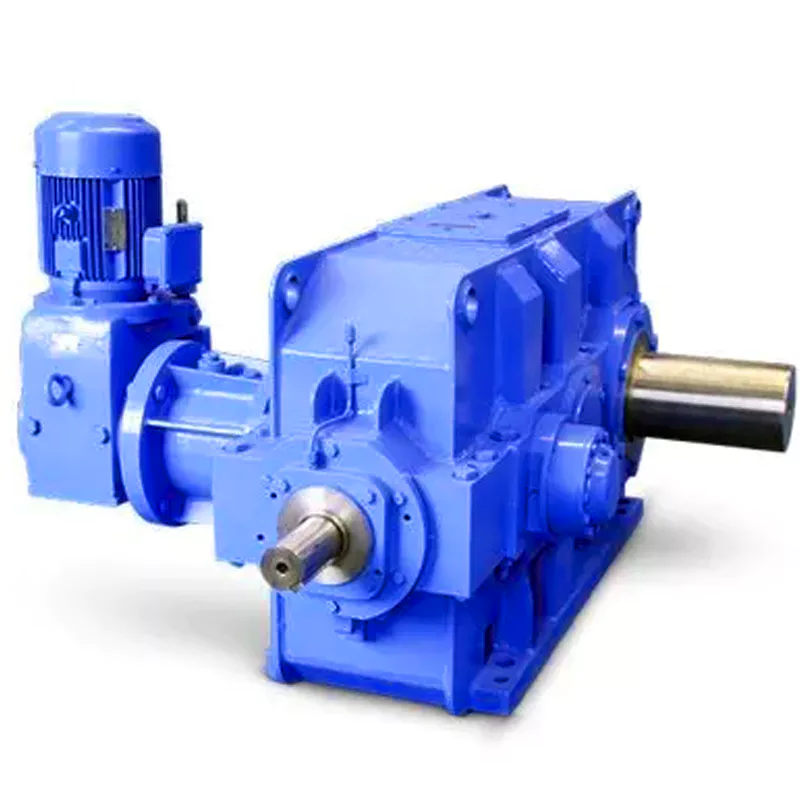
Contribution of Speed Reducer Gearboxes to Energy Efficiency in Machinery
Speed reducer gearboxes play a significant role in enhancing energy efficiency across various industrial applications. Their contributions are as follows:
- Optimized Power Transmission: Speed reducer gearboxes efficiently transfer power from input to output shafts, ensuring minimal energy loss during transmission. By reducing unnecessary friction and minimizing internal losses, these gearboxes maximize power delivery to the intended machinery.
- Torque Amplification: Speed reducers increase torque while reducing rotational speed. This allows larger loads to be moved with less power input, resulting in improved efficiency and reduced energy consumption.
- Variable Speed Control: Some speed reducer gearboxes offer adjustable speed settings, enabling machinery to operate at the most energy-efficient speed for a given task. This feature is especially beneficial in applications with varying load requirements.
- Optimized Motion Profiles: Speed reducer gearboxes help achieve smoother and controlled motion in machinery. By minimizing jerky movements and vibrations, energy waste due to sudden accelerations and decelerations is reduced.
- Reduced Heat Generation: Efficient speed reduction leads to lower heat generation within gearboxes, resulting in decreased energy loss due to heat dissipation. This is particularly important in applications that involve continuous operation.
- Mechanical Advantage: Speed reducers provide mechanical advantage, allowing equipment to perform tasks more easily and efficiently. This can lead to decreased wear and tear on machinery components and, consequently, reduced energy consumption.
Overall, speed reducer gearboxes contribute to energy efficiency by optimizing power transmission, reducing losses, enhancing torque delivery, and enabling precise control over machinery speed and motion. Their inclusion in various industrial setups helps lower energy consumption, operational costs, and environmental impact.
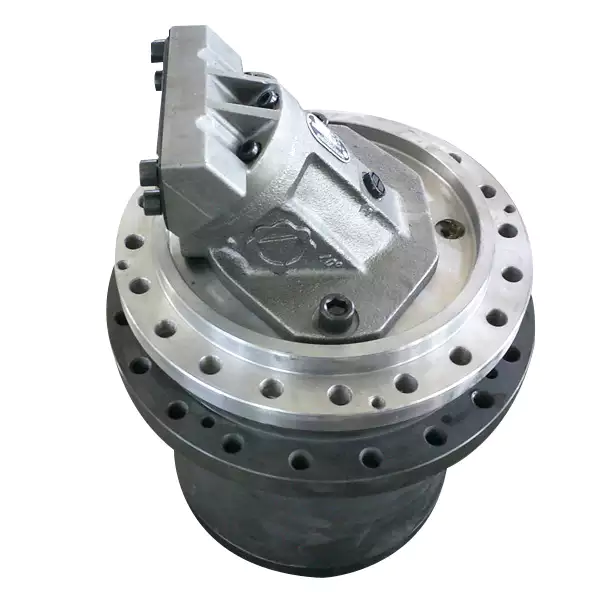
Factors to Consider When Selecting the Right Speed Reducer Gearbox
Choosing the appropriate speed reducer gearbox for an application involves considering several key factors to ensure optimal performance and efficiency. Here are the factors to take into account:
Torque and Speed Requirements: Determine the required torque output and speed reduction or increase for your specific application. Select a gearbox that can handle the desired torque and provide the necessary speed output.
Ratio: The gear ratio determines the relationship between input and output speeds. Choose a gearbox with the appropriate gear ratio to achieve the desired speed reduction or increase.
Efficiency: Consider the efficiency of the gearbox, as higher efficiency results in less energy loss and heat generation. Choose a gearbox with a high efficiency rating for improved energy savings.
Load Type: Identify whether the application involves constant, intermittent, or shock loads. Different gearbox designs are better suited for specific load types.
Space and Mounting Constraints: Evaluate the available space for installing the gearbox and ensure that the selected design fits within the allotted area. Consider mounting options and alignment requirements.
Environmental Conditions: Take into account factors such as temperature, humidity, dust, and corrosive environments. Choose a gearbox with appropriate sealing and protection to withstand the operating conditions.
Service Life and Maintenance: Consider the expected service life of the gearbox and its maintenance requirements. Select a gearbox with durable components and minimal maintenance needs.
Backlash: Backlash refers to the amount of play or clearance between gear teeth. Depending on the application’s precision requirements, choose a gearbox with low backlash for accurate motion control.
Noise and Vibration: Some applications require low noise and vibration levels. Choose a gearbox with features to minimize noise and vibration if necessary.
Cost: Factor in the cost of the gearbox and its long-term operational expenses. Balance the initial investment with the expected benefits and performance improvements.
Compatibility: Ensure that the gearbox is compatible with the existing components and systems in your application.
Manufacturer and Supplier: Choose a reputable manufacturer or supplier with a track record of delivering high-quality, reliable gearboxes.
By carefully considering these factors, you can select the right speed reducer gearbox that meets the specific requirements of your application, ensuring efficient and reliable operation.
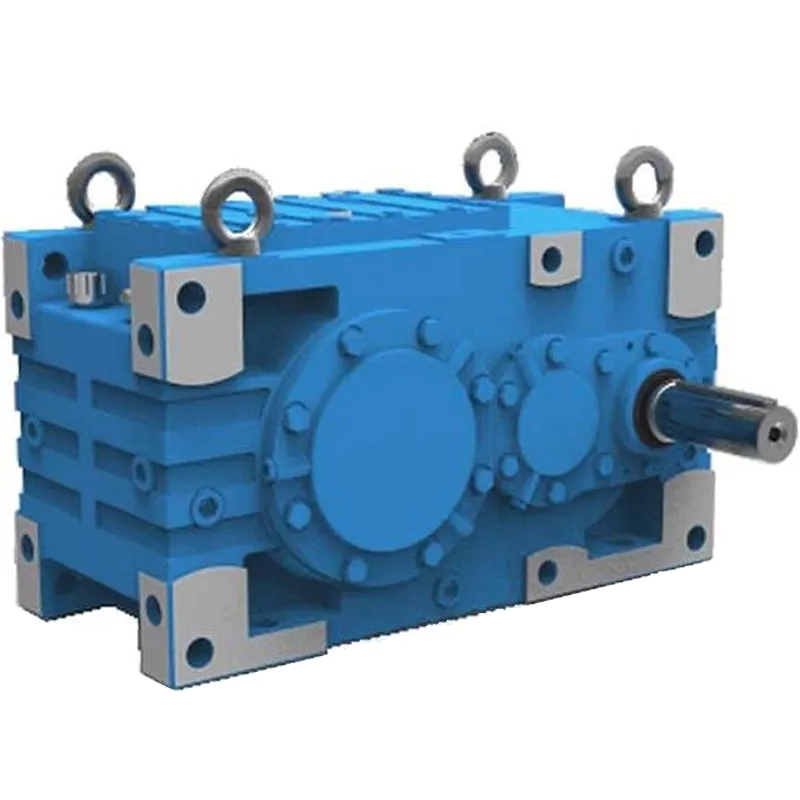
Types of Speed Reducer Gearboxes and Their Applications
Speed reducer gearboxes come in various types, each designed to suit specific applications and performance requirements. These gearbox designs leverage different gear arrangements and mechanisms to achieve the desired speed reduction and torque amplification. Here are some common types of speed reducer gearboxes and their applications:
1. Planetary Gearbox: Planetary gearboxes, also known as epicyclic gearboxes, consist of a central sun gear, multiple planet gears, and a ring gear. This compact design allows for high torque output and efficiency. Planetary gearboxes are commonly used in applications requiring high torque and precision, such as robotics, automated machinery, and aerospace systems.
2. Helical Gearbox: Helical gearboxes utilize helical gears with inclined teeth to transmit power. They provide smooth and quiet operation and are suitable for applications that require moderate speed reduction and torque amplification, such as conveyors, pumps, and industrial mixers.
3. Worm Gearbox: Worm gearboxes consist of a worm screw and a worm wheel. They offer high torque output and are known for their self-locking capability, making them ideal for applications where backdriving prevention is essential, such as lifting mechanisms, gates, and heavy machinery.
4. Bevel Gearbox: Bevel gearboxes use bevel gears to transmit power between intersecting shafts. They are suitable for changing the direction of rotation and transmitting power at right angles. Bevel gearboxes are commonly used in printing presses, woodworking equipment, and automotive applications.
5. Cycloidal Drive Gearbox: Cycloidal drive gearboxes use a unique mechanism with cycloidal motion to achieve speed reduction and torque amplification. They are known for their high shock-load resistance and compact design. Cycloidal drive gearboxes find applications in robotics, packaging machinery, and material handling systems.
6. Spur Gearbox: Spur gearboxes utilize straight-cut spur gears for power transmission. They are simple in design and are suitable for low-speed applications that require minimal torque amplification, such as printing machines, textile equipment, and food processing machinery.
7. Hypoid Gearbox: Hypoid gearboxes use hypoid gears that resemble spiral bevel gears. They offer higher torque capacity and smoother operation compared to traditional bevel gearboxes. Hypoid gearboxes are commonly used in automotive drivetrains and heavy-duty machinery.
8. Harmonic Drive Gearbox: Harmonic drive gearboxes use a flexible spline and wave generator to achieve speed reduction and torque amplification. They are known for their high precision and backlash-free operation, making them suitable for applications requiring precise motion control, such as semiconductor manufacturing and medical devices.
Each type of speed reducer gearbox offers unique advantages and characteristics, making them suitable for specific applications across industries. The choice of gearbox type depends on factors such as required torque, speed reduction ratio, space limitations, efficiency, and operational demands.


editor by lmc 2024-11-29