
Industrial food and agricultural product mixers ¡ª from the dough mixers supplying Queensland’s large-scale bread production to the feed mixer wagons combining silage, hay, and grain for dairy herds across Victoria and NSW ¡ª require planetary gearboxes that combine high continuous torque output, food-safe or feed-safe materials and lubricants, resistance to the corrosive and abrasive materials being mixed, and compliance with the food safety regulations that govern Australian food production under FSANZ and state-level standards. These requirements overlap with but are distinct from the chemical and construction mixer applications, with food contact compliance and cleaning-in-place compatibility as the defining additional constraints.
Food Mixer Drive Applications
Food mixer applications span a wide range of scales and viscosities. Spiral dough mixers for commercial bread production handle 50 to 300 kg batches of dough at viscosities of 10 000 to 100 000 centipoise, requiring 2 000 to 15 000 N¡¤m at the mixing arm at 20 to 60 rpm. Planetary bowl mixers for pastry and cake mix handle 20 to 80 kg batches at moderate viscosities with frequent direction reversals. Feed mixer wagons for dairy and beef feedlots handle 5 000 to 30 000 kg batches of silage, hay, and grain with PTO-driven augers requiring 5 000 to 30 000 N¡¤m at speeds of 20 to 60 rpm. The planetary gearbox must serve this full range from the precision of a 20 kg pastry mixer to the brute force of a 30 000 kg TMR wagon.
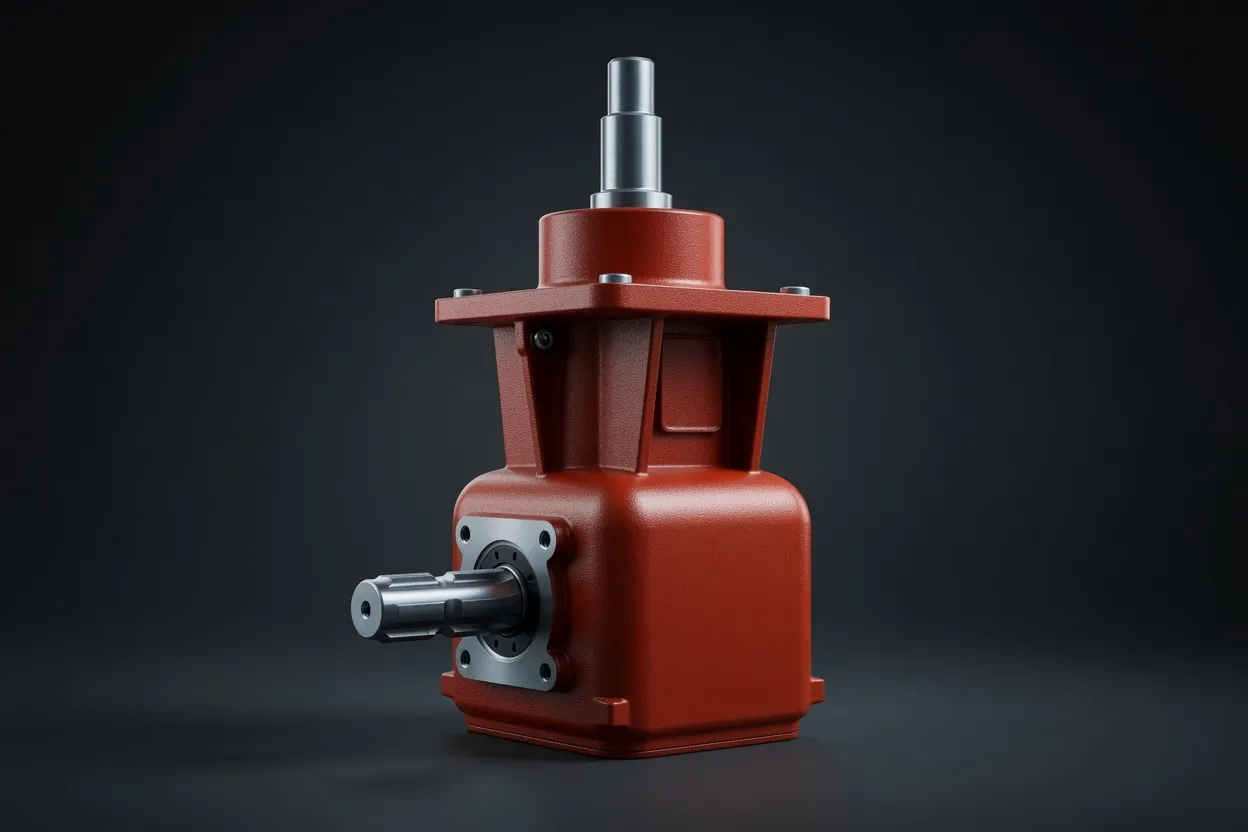
| Mixer Application | Batch Size | Speed rpm | Output Torque | Contamination Risk | Lubrication Spec |
|---|---|---|---|---|---|
| Spiral dough mixer | 50¨C300 kg | 20¨C60 rpm | 2 000¨C15 000 N¡¤m | High flour dust | NSF H1 food-grade |
| Planetary bowl mixer | 20¨C80 kg | 30¨C120 rpm | 500¨C3 000 N¡¤m | High product splash | NSF H1 food-grade |
| Ribbon blender food | 200¨C2 000 kg | 20¨C60 rpm | 3 000¨C20 000 N¡¤m | Moderate enclosed | NSF H1 food-grade |
| TMR feed mixer wagon | 5 000¨C30 000 kg | 20¨C60 rpm | 5 000¨C30 000 N¡¤m | Low feed not food | Agricultural gear oil |
| Silage inoculant mixer | 500¨C3 000 L | 60¨C200 rpm | 200¨C1 000 N¡¤m | Low | Agricultural gear oil |
NSF H1 registration required for lubricants that may have incidental contact with food products.
NSF H1 Lubrication and Food Safety Compliance
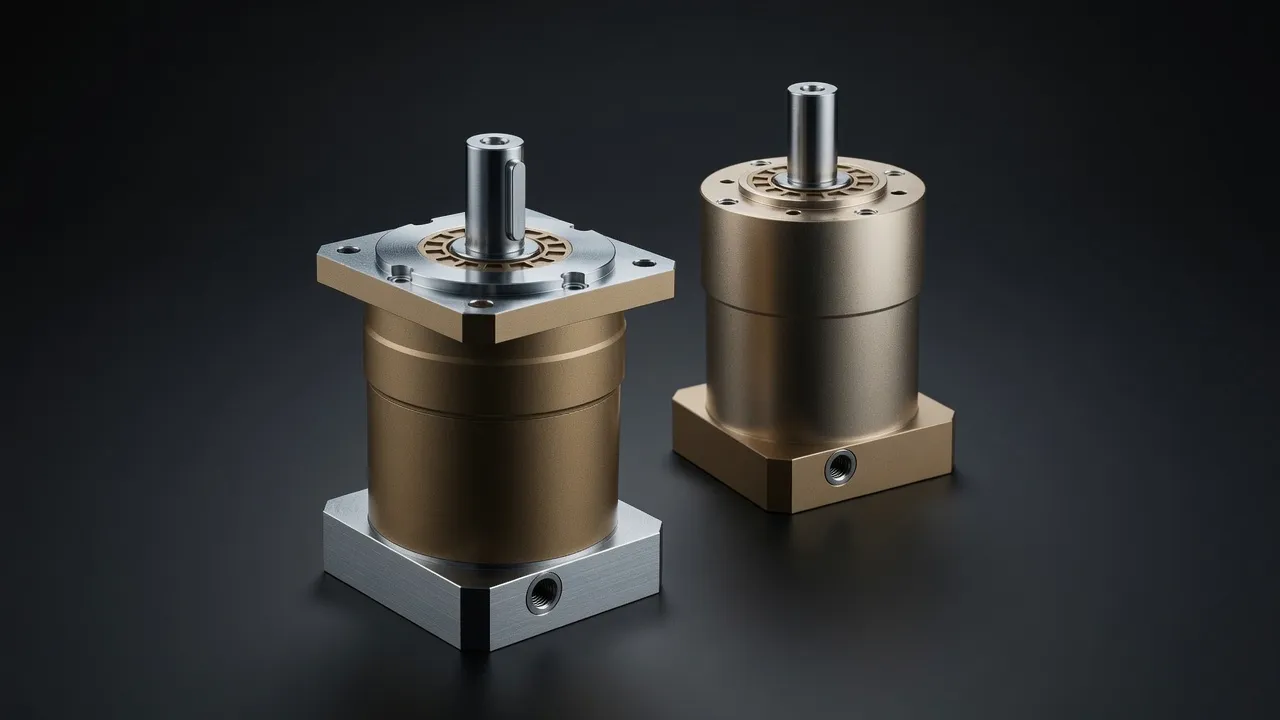
NSF H1 registration identifies lubricants that are safe for incidental food contact. Food mixer planetary gearboxes located above or adjacent to the mixing zone must use NSF H1 oil or grease if any seal leak or oil mist could reach the product. NSF H1 lubricants typically use white mineral oil or food-grade polyalphaolefin base oil with food-safe additives. The EPG two-stage precision planetary with NSF H1 oil filling and Viton shaft seals is a complete food-safe specification for precision food mixer drives in Australian GMP-compliant manufacturing facilities. The EPB high-precision torque planetary serves higher torque applications in large industrial food production equipment where both food safety and torque density are required.
Cleaning in Place Compatibility
Industrial food mixers are cleaned by automated cleaning-in-place systems that circulate caustic soda solution at 2% NaOH at 70¡ãC followed by acid rinse and hot water through the mixer interior. Any gearbox seals or housing surfaces exposed to the CIP circuit must withstand this chemical cycle. Viton elastomer seals survive both alkaline and acid CIP at 70¡ãC; NBR nitrile seals are degraded by caustic soda at elevated temperatures. Stainless steel 316L external surfaces resist CIP chemicals without corrosion; zinc or cadmium-plated steel surfaces corrode rapidly in caustic CIP and must not be used in food-contact zones of mixer housings.
Frequently Asked Questions
Speak with a Planetary Drive Specialist
Share your torque requirement, ratio, and application environment ¡ª our team at Condell Park NSW returns a sized recommendation and stock check within one business day. No obligation.