
Conveyor sortation systems in Australian parcel distribution centres, airport baggage handling facilities, and e-commerce fulfilment operations run at the intersection of the highest cycle rates and the most demanding throughput requirements of any materials handling application. The divert drives, belt drives, and scanner conveyor drives that route parcels, bags, and boxes to the correct destination must operate at 2 000 to 6 000 parcels per hour, start and stop hundreds of times per hour with precise positioning, and run continuously 24 hours a day, 365 days a year without unplanned downtime ¡ª because a failed sortation drive backs up the entire facility and misses delivery commitments. Planetary gearboxes on these drives provide the combination of precise positioning, high cycle life, and compact installation that sortation conveyors require.
Sortation Drive Types and Gearbox Requirements
Three main drive types in a sortation conveyor use planetary gearboxes. Line drive motors power the main conveyor belt sections at constant speed and require moderate continuous torque with high reliability. Divert drives power the pop-up or tilt-tray divert mechanisms that deflect each parcel from the main conveyor to the correct chute ¡ª these must complete an extension-and-retraction cycle in 0.3 to 0.8 seconds for every parcel, firing perhaps 500 to 1 000 times per hour. Scanner conveyor drives power the short, precisely positioned sections that present parcels to barcode scanners at exactly the right speed for consistent read rates.
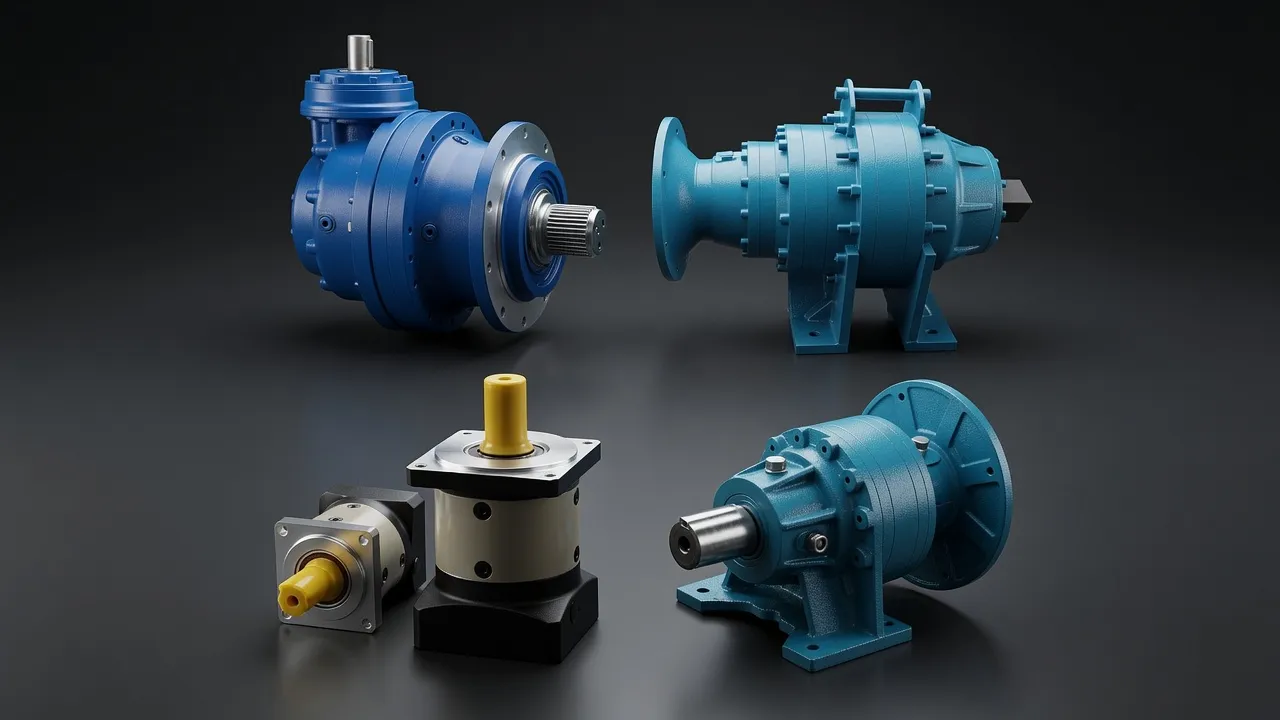
| Drive Type | Speed | Cycle Rate | Required Torque | Key Requirement | Gearbox Series |
|---|---|---|---|---|---|
| Main belt line drive | 1.5¨C2.5 m/s | Continuous | 500¨C1 500 N¡¤m | High reliability | EPG1 or AB090 |
| Divert actuator pop-up | 0.3¨C0.8 s cycle | 500¨C1 000/h | 200¨C800 N¡¤m | High cycle life speed | AB060 or AB090 |
| Tilt-tray divert | 30¨C60¡ã in 0.5 s | 300¨C600/h | 400¨C1 200 N¡¤m | Precision speed | EPG1 or AB090 |
| Scanner conveyor | 0.8¨C1.5 m/s | Continuous | 100¨C400 N¡¤m | Speed accuracy | AB042 or AB060 |
| Accumulation drive | Variable 0¨C1.5 m/s | High start/stop | 300¨C800 N¡¤m | Back-pressure limit | EPG1 or AB060 |
Cycle rate for divert drives = number of actuations per hour at rated throughput.
Divert Drive Speed and Positioning Precision
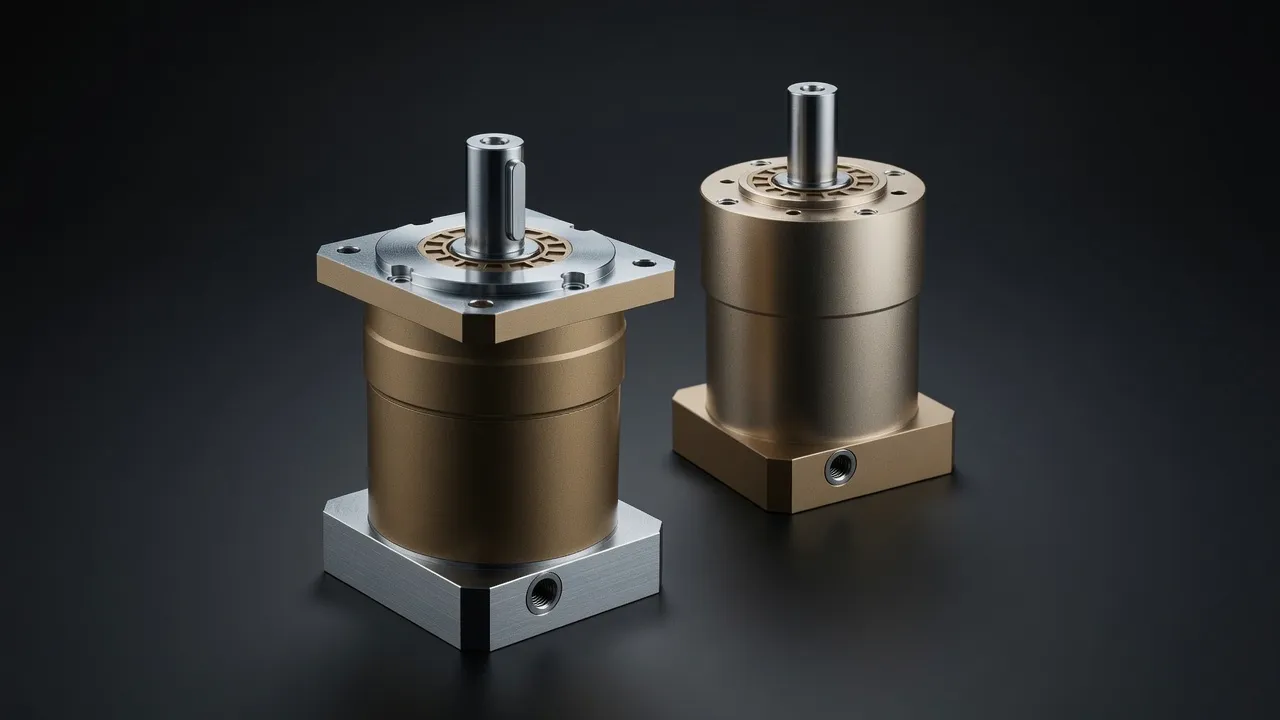
A pop-up divert wheel drive must extend the divert rollers from flush-with-belt to above-belt level and rotate them to steer the parcel into the divert chute, then retract back to flush in the time between successive parcels. At 3 000 parcels per hour ¡ª 50 per minute or 0.83 per second ¡ª the extension-deflection-retraction cycle must complete in approximately 0.5 to 0.7 seconds. This requires high angular velocity from the planetary gearbox output, typically 300 to 600 rpm output at the divert roller shaft from a servo motor at 3 000 rpm through a 1:6 to 1:10 planetary ratio. The AB060 high-precision planetary series provides the required ratio, backlash below 3 arc-minutes, and cycle life above 30 million operations at the divert actuator duty cycle. The AB090 series serves heavier parcels up to 50 kg where the divert force requirement exceeds the AB060 torque rating.
Continuous 24/7 Duty and Thermal Rating
Parcel distribution centres in Australian major cities operate 24/7 during peak periods ¡ª Christmas, Chinese New Year, and click-frenzy events ¡ª with throughputs exceeding design rates. The planetary gearbox thermal rating must accommodate 150% of design throughput continuously for 8 to 12 hours without exceeding the maximum housing temperature of typically 80¡ãC for standard industrial planetary gearboxes. At 150% throughput the divert drive motor current increases by approximately 50%, and gearbox heat generation increases proportionally. Forced air cooling ¡ª a small fan on the motor shaft blowing across the gearbox housing ¡ª is a cost-effective solution for divert drives that must handle peak overload conditions without thermal shutdown.
Frequently Asked Questions
Speak with a Planetary Drive Specialist
Share your torque requirement, ratio, and application environment ¡ª our team at Condell Park NSW returns a sized recommendation and stock check within one business day. No obligation.