
Sugar mills in Queensland’s cane-growing regions — the Wet Tropics from Cairns to Mackay, the Burnett River basin at Bundaberg, and the northern rivers of NSW — crush hundreds of thousands of tonnes of sugar cane through their milling trains during each crushing season (typically June to December). Each milling unit, called a tandem mill, consists of three rolls (top, feed, and delivery rolls) that squeeze the juice from the cane stalks. The drive system for each roll must deliver sustained high torque for 18–20 hours per day, six to seven days a week, for the entire 20–26 week crushing season, and the planetary gearbox that delivers this torque must do it without failure — because a gearbox failure during crushing season means lost production that cannot be recovered.
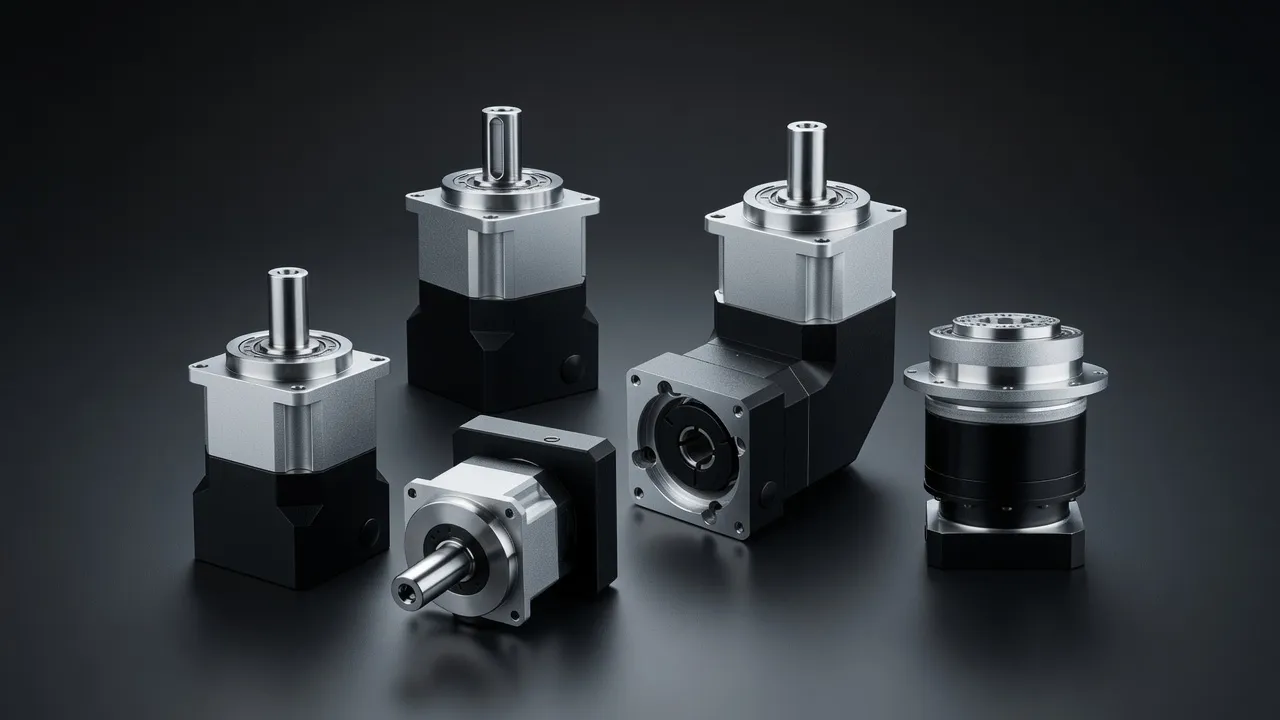
Milling Roll Drive Requirements
The torque required to drive a sugar mill roll depends on the cane variety, preparation level, mill setting, and throughput rate. A typical Queensland mill processing 300 tonnes of cane per hour through a six-roll tandem requires approximately 500–1 200 kW per roll, depending on mill setting and cane quality. At a typical roll speed of 3–6 rpm and a 900 mm roll diameter, the output torque per roll is enormous: at 1 000 kW and 4 rpm, torque = 1 000 000 ÷ (2π × 4 ÷ 60) = 2 387 kN·m. No single worm or helical gearbox can deliver 2.4 MN·m — this requires a multi-stage planetary or a compound planetary-helical drive system.
| Mill Size | Throughput (t cane/h) | Roll Diameter | Roll Speed | Power per Roll | Output Torque per Roll |
|---|---|---|---|---|---|
| Small (6-roll) | 100 t/h | 760 mm | 5 rpm | 200–400 kW | 380–760 kN·m |
| Medium (6-roll) | 200 t/h | 860 mm | 4 rpm | 500–800 kW | 1 200–1 900 kN·m |
| Large (6-roll) | 300 t/h | 940 mm | 3.5 rpm | 800–1 200 kW | 2 200–3 300 kN·m |
| Extra large (6-roll) | 450 t/h | 1 000 mm | 3 rpm | 1 200–1 800 kW | 3 800–5 700 kN·m |
| Top (6-roll) | 600 t/h | 1 100 mm | 2.5 rpm | 1 500–2 200 kW | 5 700–8 400 kN·m |
Output torque = power × 60 ÷ (2π × roll RPM). Values are indicative; actual figures require detailed mill design.
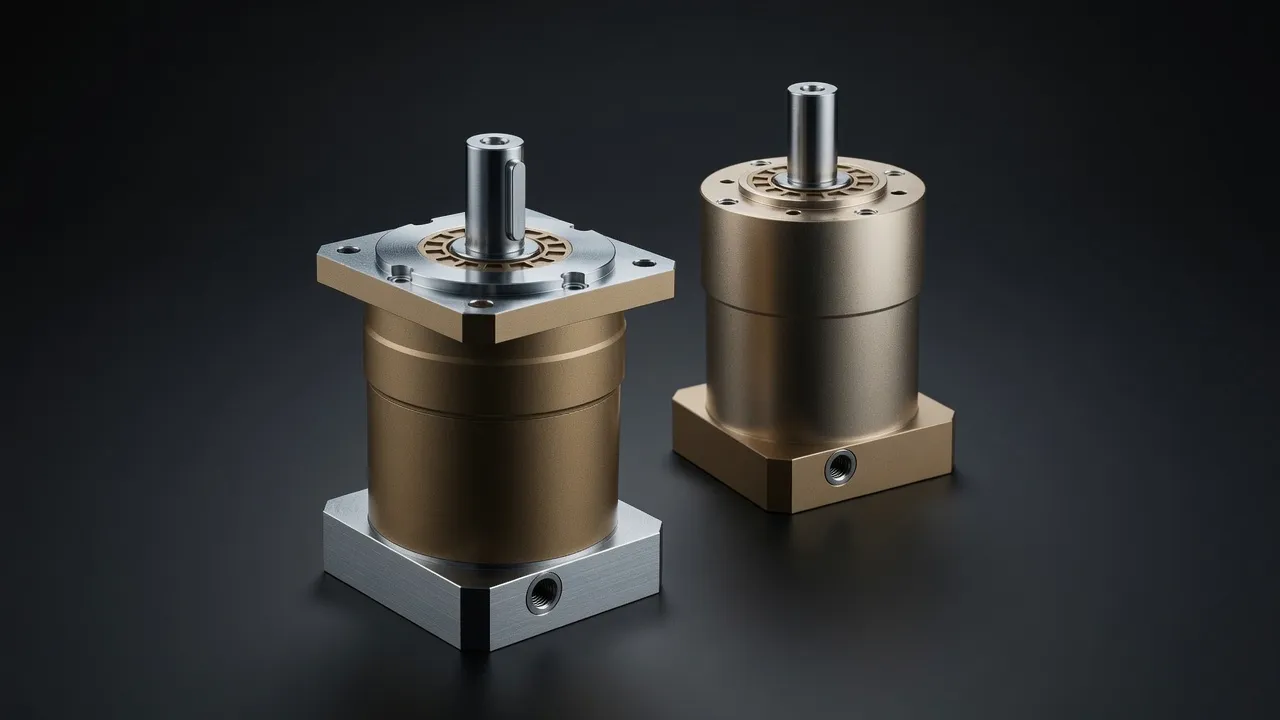
Drive Architecture: Multi-Stage Planetary with Final Pinion
Queensland sugar mill drives evolved from steam engine and hydraulic motor drives to modern electric motor drives through a specific gearbox architecture: a multi-stage planetary gearbox (typically two or three stages providing 1:50 to 1:200 ratio) connected to the roll through a final pinion that meshes with a large-diameter roll journal gear. The planetary stages are stacked concentrically and housed in a vertical tower gearbox that mounts above the mill stand. The combination of planetary efficiency, compact vertical format, and the final gear ratio from the journal gear gives the total reduction needed in a package that fits within the constrained space of an existing mill building without requiring structural modifications.
Seasonal Operation and Inspection Strategy
The 20–26 week crushing season followed by a 26–32 week off-season creates a unique maintenance opportunity for sugar mill planetary gearboxes — unlike continuous-process factories that must maintain rolling maintenance schedules, sugar mill engineering can strip, inspect, and rebuild every gearbox during the off-season. This annual total inspection is a standard practice in Queensland mills: every planetary gearbox is removed from service after the final mill stop, disassembled, dimensionally inspected against original drawings, and rebuilt with replacement parts for any component showing wear beyond 20% of original dimension. The rebuilt gearbox is reinstalled and commissioned before the next crushing season begins.
The EPX heavy planetary series provides the gear material, heat treatment, and housing standards appropriate for sugar mill roll drives in a format that allows the annual inspection and rebuild cycle to proceed efficiently — the housing bolted flanges and accessible planet carrier design simplify disassembly compared with welded or press-fit assemblies. The EPG two-stage precision planetary is an appropriate choice for electric motor-driven variable-speed sugar mill drives where VFD control and closed-loop torque monitoring are required for juice extraction optimisation. For comparable heavy-duty continuous-duty industrial drives, the RR528 heavy-duty worm gearbox illustrates the housing and sealing standards applied in similarly demanding continuous industrial environments.
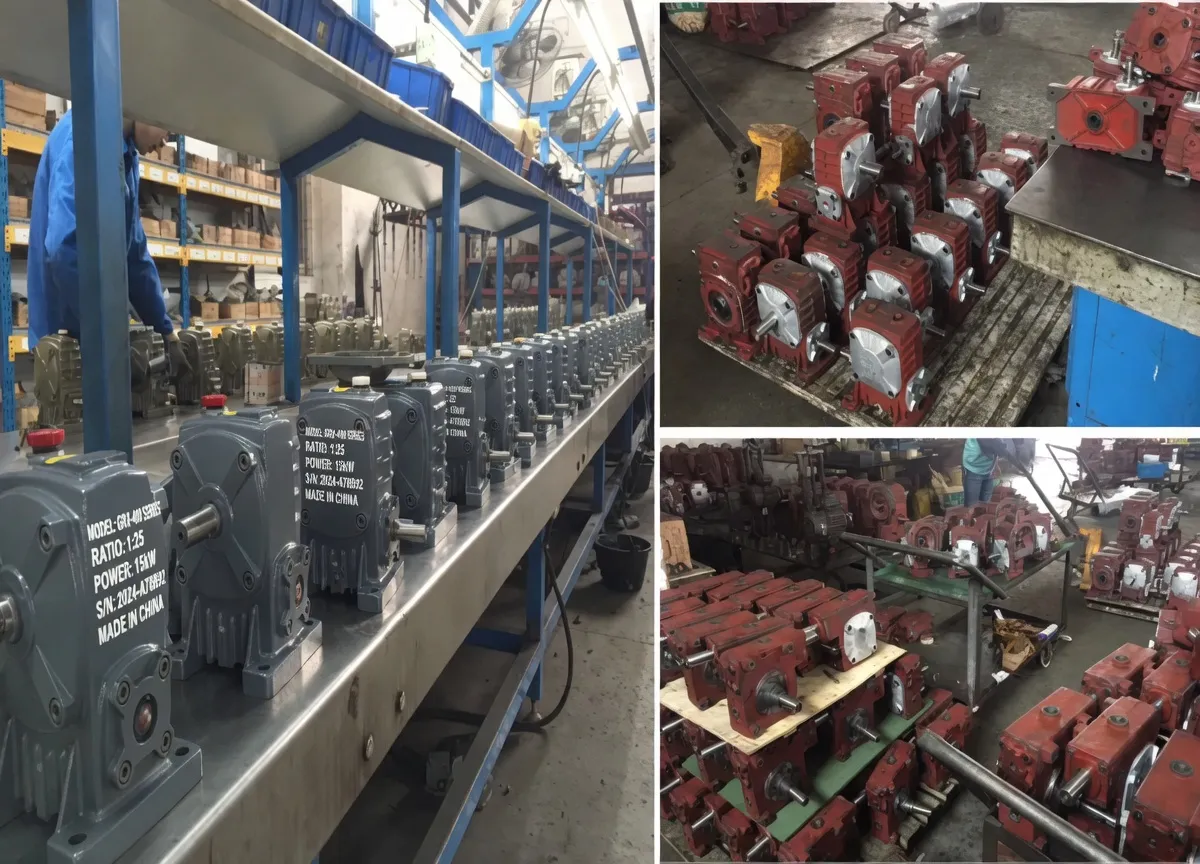
Bagasse Contamination and Sealing
Bagasse — the fibrous residue of crushed cane stalks — is carried by conveyor belts past and under the mill drives. Fine bagasse particles (less than 1 mm) become airborne and settle on all surfaces, infiltrating gaps and contaminating oil if the housing sealing is inadequate. The consequences of bagasse contamination in the gear oil are severe: the cellulose fibres act as a contamination carrier that holds moisture and acids against gear and bearing surfaces, and the sugar content of residual cane juice in the bagasse creates an acidic solution when combined with water. Mill drives should be specified with IP65 sealing minimum, labyrinth seals on all shaft exits, and sealed breather plugs with desiccant elements to prevent bagasse-laden air from entering during housing pressure equalisation.
Frequently Asked Questions
Speak with a Planetary Drive Specialist
Share your torque requirement, ratio, and application environment — our team at Condell Park NSW returns a sized recommendation and stock check within one business day. No obligation.