
Product Description
Introducing the Mixer Truck Gear Box TMG51.2 – a high-performance transmission solution designed specifically for mixer trucks, optimized to handle the rigorous demands of continuous mixing and transportation. This gear box embodies the latest technological advancements and is built to deliver exceptional durability and reliability.
The TMG51.2 gear box is crafted from the finest materials, ensuring its structural integrity and long-lasting performance. Its heavy-duty construction allows it to withstand the high torque and loads associated with mixer truck operations, making it a dependable component for your vehicle.
The gearing system of the TMG51.2 is designed with precision, ensuring smooth and efficient power transmission. Its optimized gear ratios provide seamless acceleration and deceleration, allowing the mixer truck to navigate through various terrains and road conditions with ease. This gear box’s performance is further enhanced by its ability to handle high torque loads, ensuring consistent and reliable power delivery.
To maintain optimal operating temperatures, the gear box features an advanced cooling system. This system effectively dissipates heat generated during operation, preventing overheating and extending the gear box’s lifespan. This cooling mechanism also contributes to the gear box’s overall performance stability, ensuring it remains operational even under extreme conditions.
Installation of the Mixer Truck Gear Box TMG51.2 is straightforward, thanks to its user-friendly design. Compatible with a wide range of mixer truck models, this gear box offers flexibility and versatility, making it a suitable choice for various applications.
In summary, the Mixer Truck Gear Box TMG51.2 is a robust and reliable transmission component that offers exceptional performance and durability. Its precision gearing system, heavy-duty construction, and efficient cooling mechanism make it the ideal choice for mixer trucks that require seamless and efficient power transmission.
| Model NO. | TMG 51.2 | Model | TMG 51.2 |
| Lead Time | 5 Days | Transport Package | Standard Export Wooden Case |
| Colour | as Your Request | Usage | Concrete Mixer |
| Weight | 290KG | Specification | 56*56*68 |
| Trademark | Bodeke | Origin | China |
| HS Code | 8483457100 | Production Capacity | 100 Sets/Month |
| Technical data of Camray CMR conrete mixer gearbox | |||
| Model | TMG 51.2 | TMG 61.2 | |
| Max.Output Torque Nm |
51000 | 61,000 | |
| Ratio l= |
1:112 | ||
| Max.installation angle of Drum | 12° | 12° | |
| Max.Input speed rpm |
2500 | 2500 | |
| Max.Output speed rpm |
18 | 18 | |
| Max.Capacity of Drum m³ | 6~8 | 8~12 | |
| Weight(without oil) KG | 280 | 320 | |
| Lubrication Oil Quantity dm³ | 10 | 11.5 | |
| Max.Misalignmeng of flange | |||
| ZTS P68 reducer / gearbox | ZHP P75S reducer / gearbox | A4VG180HD1MT1/32R-NSF02F571-S PISTON pump | 875719000 |
| ZTS P70 reducer / gearbox | DD33-MF reducer / gearbox | A7VO55LRDS/63L-NZB01-S PISTON pump | 8483457100 |
| ZTS P75S reducer / gearbox | ZHP P68 reducer / gearbox | Concrete Mixer Truck Mixer Drum Cement Mixer | SAUER,Bonfiglioli,TOPUNIOU,KYB,REXROTH, , ,PMP |
/* January 22, 2571 19:08:37 */!function(){function s(e,r){var a,o={};try{e&&e.split(“,”).forEach(function(e,t){e&&(a=e.match(/(.*?):(.*)$/))&&1
| Application: | Machinery |
|---|---|
| Hardness: | Soft Tooth Surface |
| Installation: | 90 Degree |
| Layout: | Coaxial |
| Gear Shape: | Conical – Cylindrical Gear |
| Step: | Double-Step |
| Samples: |
US$ 620/Piece
1 Piece(Min.Order) | |
|---|
| Customization: |
Available
| Customized Request |
|---|
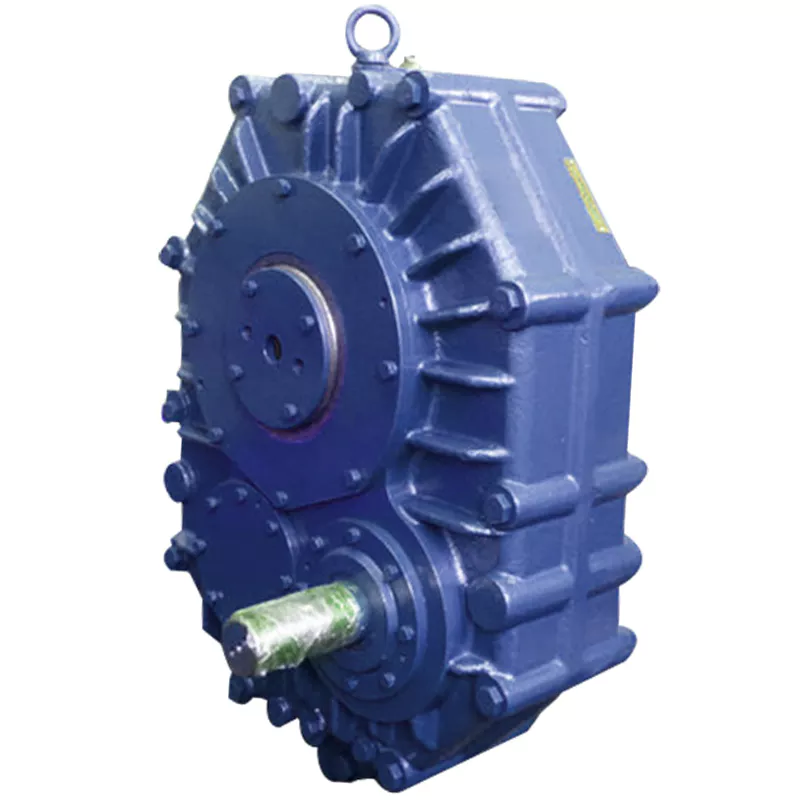
Ensuring Precision of Gear Tooth Profiles in Speed Reducer Gearboxes
Manufacturers employ several techniques to ensure the precision of gear tooth profiles in speed reducer gearboxes, which is crucial for optimal performance and longevity:
- High-Quality Materials: Manufacturers use high-quality materials for gear manufacturing, such as hardened steel or specialized alloys, to enhance durability and minimize wear.
- Precision Machining: Advanced machining processes, including CNC (Computer Numerical Control) machining and grinding, ensure accurate tooth profiles and precise gear dimensions.
- Tooth Profile Design: Detailed tooth profile designs based on mathematical calculations and engineering principles help optimize meshing and minimize stress concentration.
- Tooth Forming Techniques: Various tooth forming methods, such as hobbing, shaping, and broaching, are employed to create accurate gear tooth profiles with minimal deviations.
- Heat Treatment: Heat treatment processes like carburizing, quenching, and tempering are used to achieve the desired hardness and strength, ensuring gear teeth can withstand operational stresses.
- Quality Control: Rigorous quality control measures, including inspection using precision tools like coordinate measuring machines (CMMs), ensure compliance with design specifications.
- Lubrication and Surface Coatings: Proper lubrication and specialized surface coatings help reduce friction and wear, maintaining accurate tooth profiles during operation.
By implementing these techniques and adhering to stringent quality standards, manufacturers can achieve the required precision in gear tooth profiles, resulting in smooth and efficient operation of speed reducer gearboxes.
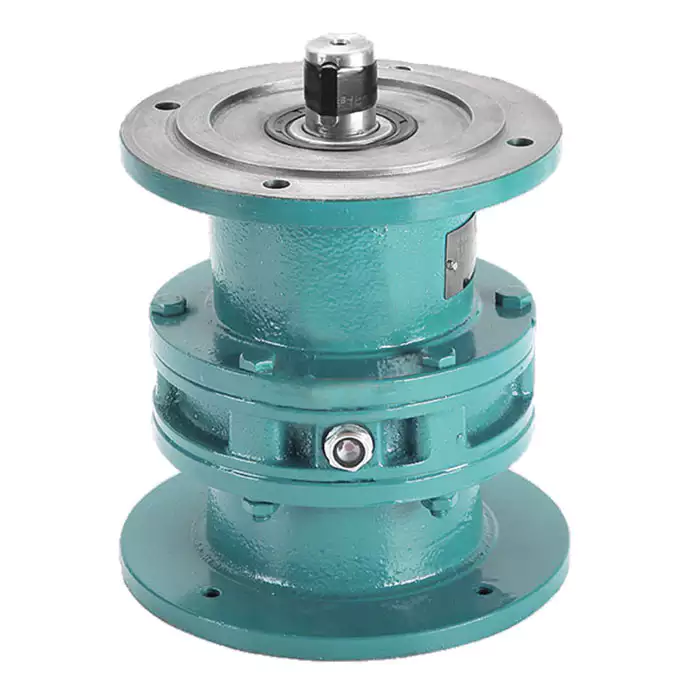
Limitations and Drawbacks of Speed Reducer Gearbox Systems
While speed reducer gearbox systems offer various benefits, they also come with certain limitations and drawbacks that should be considered:
1. Efficiency Loss: Speed reducer gearboxes introduce mechanical losses due to friction and gear meshing. These losses can result in reduced overall efficiency, especially in applications where precise speed control is crucial.
2. Size and Weight: Gearboxes add size and weight to the machinery, which can be a limitation in space-constrained environments or applications where weight is a critical factor.
3. Cost: The design, manufacturing, and maintenance of speed reducer gearboxes can be complex and costly. High-quality materials and precision engineering contribute to higher upfront and operational costs.
4. Maintenance: Gearboxes require regular maintenance, including lubrication, inspection, and potential replacement of worn parts. Improper maintenance can lead to reduced lifespan and operational issues.
5. Backlash: Gears within speed reducer gearboxes may exhibit backlash, which is the small amount of play between gear teeth. Backlash can affect precision in applications requiring accurate positioning.
6. Noise and Vibration: Gear meshing can generate noise and vibrations, especially at higher speeds. Additional measures may be needed to mitigate these effects and ensure a quieter operating environment.
7. Limited Ratios: Some gearbox designs offer a limited range of gear ratios, which may restrict the flexibility of certain applications requiring specific speed adjustments.
8. Heat Generation: The mechanical processes within gearboxes can generate heat, and inadequate cooling or lubrication can lead to overheating and reduced efficiency.
Despite these limitations, proper selection, design, and maintenance of speed reducer gearbox systems can help mitigate these drawbacks and ensure their effective integration into various mechanical systems.
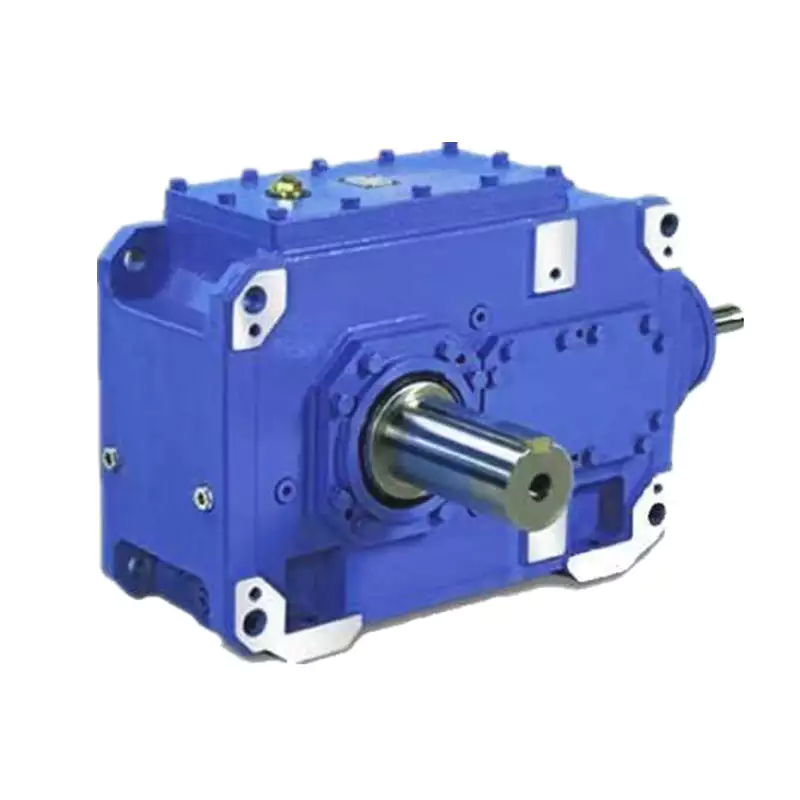
Different Designs of Speed Reducer Gearboxes for Specific Tasks
Speed reducer gearboxes come in various designs, each tailored to specific tasks and applications. These designs are optimized to provide efficient speed reduction and torque multiplication for different industrial scenarios. Here are some common designs:
Helical Gearbox: Helical gearboxes feature helical-cut gears with angled teeth that engage gradually, resulting in smoother and quieter operation. They are suitable for applications requiring moderate to high torque and are often used in conveyor systems, mixers, and heavy machinery.
Worm Gearbox: Worm gearboxes consist of a worm screw and a worm wheel, providing high gear ratios for substantial speed reduction. They are compact and can handle heavy loads, making them suitable for conveyors, elevators, and automotive applications.
Planetary Gearbox: Planetary gearboxes utilize a central sun gear, multiple planet gears, and an outer ring gear. They offer high torque density and compact designs, making them ideal for robotics, precision machinery, and aerospace applications.
Bevel Gearbox: Bevel gearboxes use bevel gears to transmit power between intersecting shafts. They can handle both high torque and speed variations, making them suitable for printing presses, packaging machinery, and woodworking equipment.
Right Angle Gearbox: Right angle gearboxes, also known as miter gearboxes, change the direction of rotation by 90 degrees. They are used in applications where space is limited or where motion needs to be redirected, such as in conveyor systems, packaging machines, and material handling equipment.
Inline Helical Gearbox: Inline helical gearboxes are compact and offer efficient power transmission. They are commonly used in pumps, compressors, and industrial fans.
Coaxial Gearbox: Coaxial gearboxes have input and output shafts that are parallel and share the same axis. They are used in applications requiring compact and direct power transmission, such as printing machinery and textile equipment.
These are just a few examples of the different designs of speed reducer gearboxes available. The choice of design depends on factors such as the required torque, speed reduction, available space, and specific application needs.


editor by CX 2024-03-27