
The main gearbox of a helicopter is the most safety-critical planetary gearbox ever designed ¡ª it reduces the gas turbine engine speed, typically 20 000 to 35 000 rpm, to the main rotor speed of 200 to 400 rpm through a compound reduction of 50:1 to 100:1, all within a housing that must be as light as possible for airworthiness, as reliable as possible because failure means loss of the aircraft, and as compact as possible to fit within the rotor pylon structure. Every gram of main gearbox weight reduces the helicopter’s useful payload; every hour of main gearbox service life saved in maintenance extends the aircraft’s commercial availability; and every percentage of efficiency gained reduces fuel consumption, which determines the range, endurance, and operating cost of the aircraft.
MGB Architecture: Multi-Stage Compound Reduction
A twin-engine helicopter main gearbox typically reduces two engine shaft speeds simultaneously through a collecting stage, then performs compound planetary reduction to the main rotor speed. A typical configuration has each engine shaft entering at 20 000 rpm through a bevel gear or spur gear collecting stage that reduces to 5 000 to 8 000 rpm and combines both engine powers onto a single intermediate shaft. Two or three planetary stages then reduce this intermediate shaft speed to the main rotor speed. The collective ratio of the planetary stages is 15:1 to 25:1, combined with the collecting stage ratio of 2.5:1 to 5:1, giving the required 50:1 to 100:1 overall reduction.
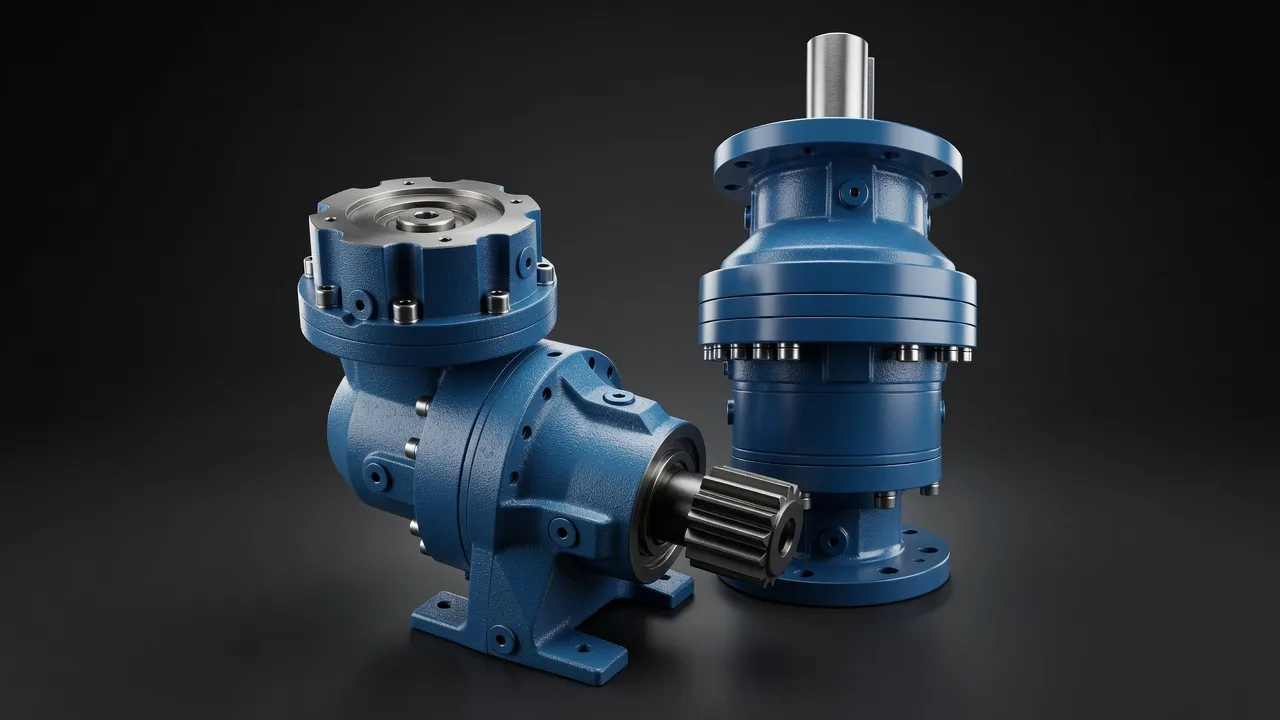
| Helicopter Class | Engine Speed | Main Rotor Speed | Overall Ratio | MGB Weight | Rotor Power |
|---|---|---|---|---|---|
| Light 2¨C3 t MTOW | 20 000 rpm | 400 rpm | 50:1 | 60¨C120 kg | 300¨C600 kW |
| Medium 4¨C6 t | 25 000 rpm | 320 rpm | 78:1 | 150¨C300 kg | 800¨C1 500 kW |
| Medium-heavy 6¨C10 t | 28 000 rpm | 280 rpm | 100:1 | 300¨C600 kg | 1 500¨C3 000 kW |
| Heavy 10¨C20 t | 30 000 rpm | 250 rpm | 120:1 | 600¨C1 200 kg | 3 000¨C6 000 kW |
| Super-heavy 20+ t | 35 000 rpm | 200 rpm | 175:1 | 1 200¨C2 500 kg | 6 000¨C15 000 kW |
MTOW = maximum take-off weight. MGB weight as fraction of MTOW typically 3 to 6 percent.
Weight vs Torque: The Defining Design Trade-off
The performance metric for a helicopter main gearbox is specific torque density ¡ª output torque per kilogram of gearbox weight, in N¡¤m/kg. A medium helicopter main gearbox delivering 10 000 N¡¤m at the rotor shaft at 600 kg weight achieves 16.7 N¡¤m/kg ¡ª a figure that would be impressive in an industrial gearbox and is merely adequate for aviation. The highest-performance modern main gearboxes exceed 50 N¡¤m/kg through the combined use of titanium and aluminium alloy housings, carbon fibre-reinforced polymer fairings, and ultra-high-strength gear materials heat-treated to 65 HRC case hardness.
Lubrication-Off Survival Requirement
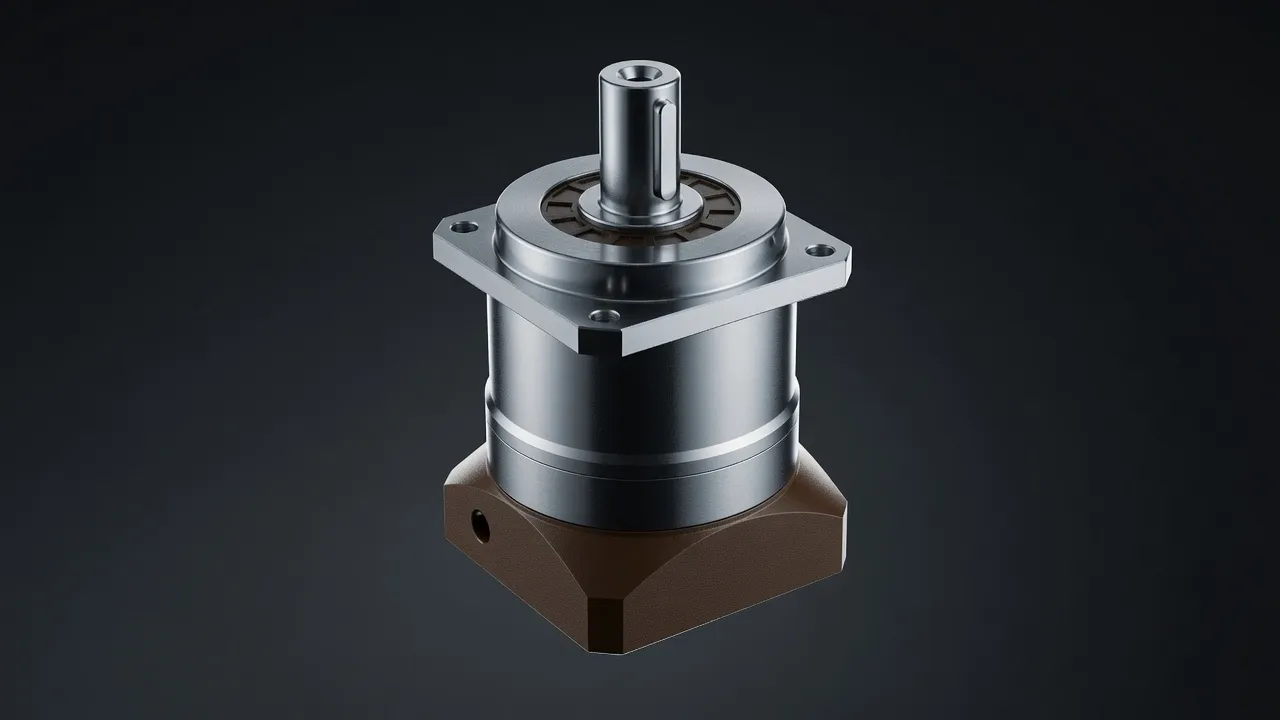
The critical safety requirement that distinguishes helicopter main gearboxes from all other planetary gearboxes is the lubrication-off survival requirement: after a complete lubrication system failure, the main gearbox must continue to transmit power for at least 30 minutes at a degraded level sufficient to allow the pilot to land safely. This is achieved through dry lubricant coatings such as molybdenum disulfide or tungsten disulfide on gear teeth and bearing surfaces, high thermal mass in the housing, and bearing materials including ceramic rolling elements that tolerate elevated temperatures without seizing. The EPB high-precision torque planetary series demonstrates the material specification approach ¡ª case-hardened alloy steel gears with surface treatment ¡ª that forms the foundation of main gearbox survival design, scaled to the industrial context. For demanding precision applications requiring comparable reliability, the EPG two-stage precision planetary shows the precision assembly standards needed when component failure is not acceptable.
Certification and Qualification
All helicopter main gearboxes must be certified to EASA CS-29 or FAA AC 29-2C airworthiness standards, and their Australian operational approval is granted by CASA under the mutual recognition of the originating authority certification. The qualification process for a new main gearbox design includes structural load testing to 150% of limit load, fatigue testing for the aircraft design service life, and lubrication-off testing confirming the survival duration requirement. The entire qualification programme typically takes 3 to 5 years and significant investment before a new main gearbox design enters service.
Frequently Asked Questions
Speak with a Planetary Drive Specialist
Share your torque requirement, ratio, and application environment ¡ª our team at Condell Park NSW returns a sized recommendation and stock check within one business day. No obligation.