
Escalators in shopping centres, transit stations, airports, and office buildings carry tens of thousands of passengers per day with a required availability approaching 99%. The main drive gearbox — typically a worm or helical-worm combination — is the mechanical heart of the escalator, and its failure is not merely a maintenance event but a public safety incident that triggers immediate shutdown, regulatory reporting, and reputational cost for the building operator. This makes escalator drive gearbox specification a fundamentally different exercise from standard industrial gearbox selection: reliability and safety margin take priority over energy efficiency or initial cost.
Escalator Drive Architecture and the Gearbox Role
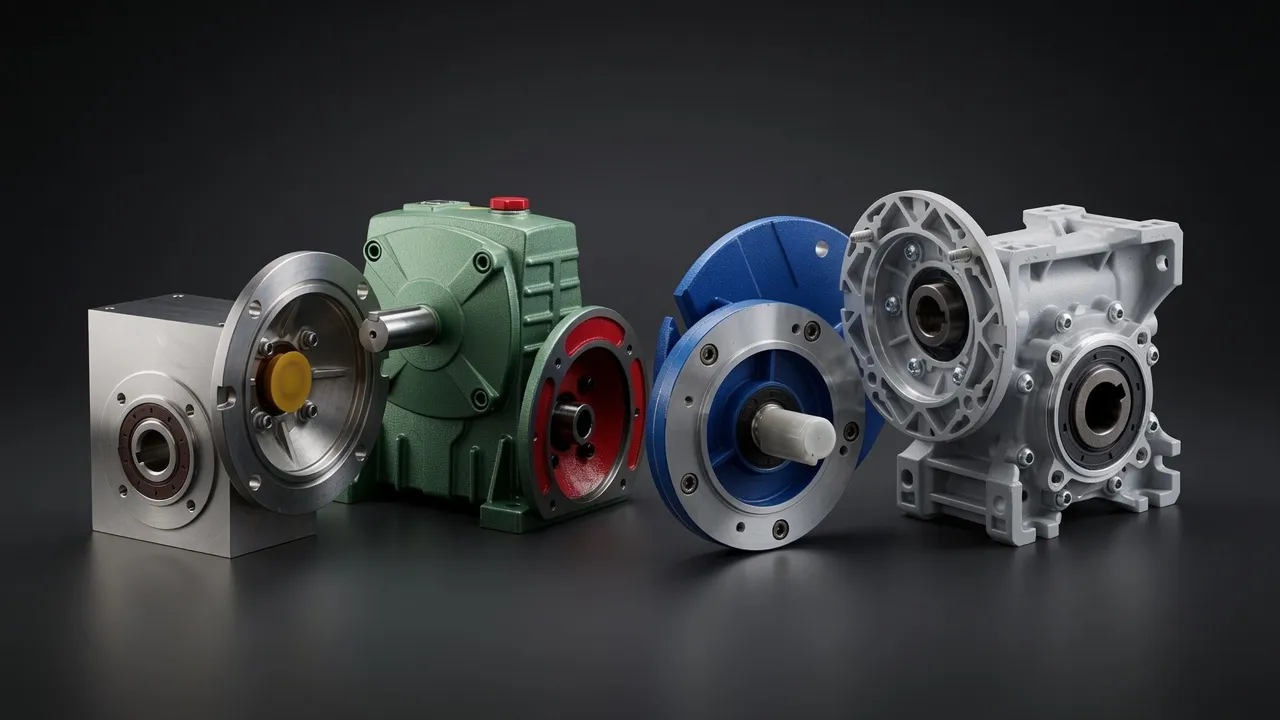
The standard escalator drive system uses a motor (typically 7.5–22 kW for commercial applications) connected to a gearbox that reduces motor speed to the step chain sprocket speed. The sprocket drives the step chain at a linear speed of 0.5 m/s (slow) to 0.75 m/s (standard) to 0.9 m/s (fast transit-grade) — the speed required by EN115 (the European escalator standard, widely adopted in Australian practice). At 0.75 m/s step speed, and with a typical drive sprocket of 300 mm pitch diameter (circumference 942 mm), the sprocket turns at 0.75 ÷ 0.942 = 0.796 rev/s = 47.8 rpm. From a 1 450 rpm motor, the required ratio is 1 450 ÷ 47.8 ≈ 30:1. This is exactly within the single-stage worm ratio range, which is why worm gearboxes historically dominated escalator drive applications globally.
High Reduction Ratio: Why Worm Gear Still Competes
Modern escalator drives increasingly use helical-bevel or helical-worm combination gearboxes because of their higher efficiency (90%+ vs 72–78% for a single-stage worm at 1:30), which reduces energy consumption on continuously running installations where energy cost is a material operating expense. Despite this, worm gearboxes remain in active use and specification for several reasons: they are simpler to manufacture, have lower initial cost, offer inherent self-locking (which prevents uncontrolled reverse running if the holding brake fails momentarily), and are available with large torque output in compact housing sizes that fit the limited machine room space in older buildings.
| Escalator Type | Step Speed | Sprocket RPM | Motor RPM | Required Ratio | WP Option |
|---|---|---|---|---|---|
| Light commercial, 30° incline | 0.5 m/s | 31.8 rpm | 1 450 | 1:45.6 → 1:45 | WPA 175–200, 1:45 |
| Standard commercial, 30° | 0.75 m/s | 47.8 rpm | 1 450 | 1:30.3 → 1:30 | WPA 200–250, 1:30 |
| Heavy transit, 35° | 0.75 m/s | 47.8 rpm | 1 450 | 1:30.3 → 1:30 | WPA 250, 1:30, heavy-duty |
| Standard commercial, 0° (moving walkway) | 0.75 m/s | 47.8 rpm | 1 450 | 1:30 | WPA 175, 1:30 |
| Airport fast walkway | 0.9 m/s | 57.3 rpm | 1 450 | 1:25.3 → 1:25 | WPA 200, 1:25 |
Sprocket PCD 300 mm assumed. Verify against actual drive sprocket geometry.
Continuous Duty Thermal Management
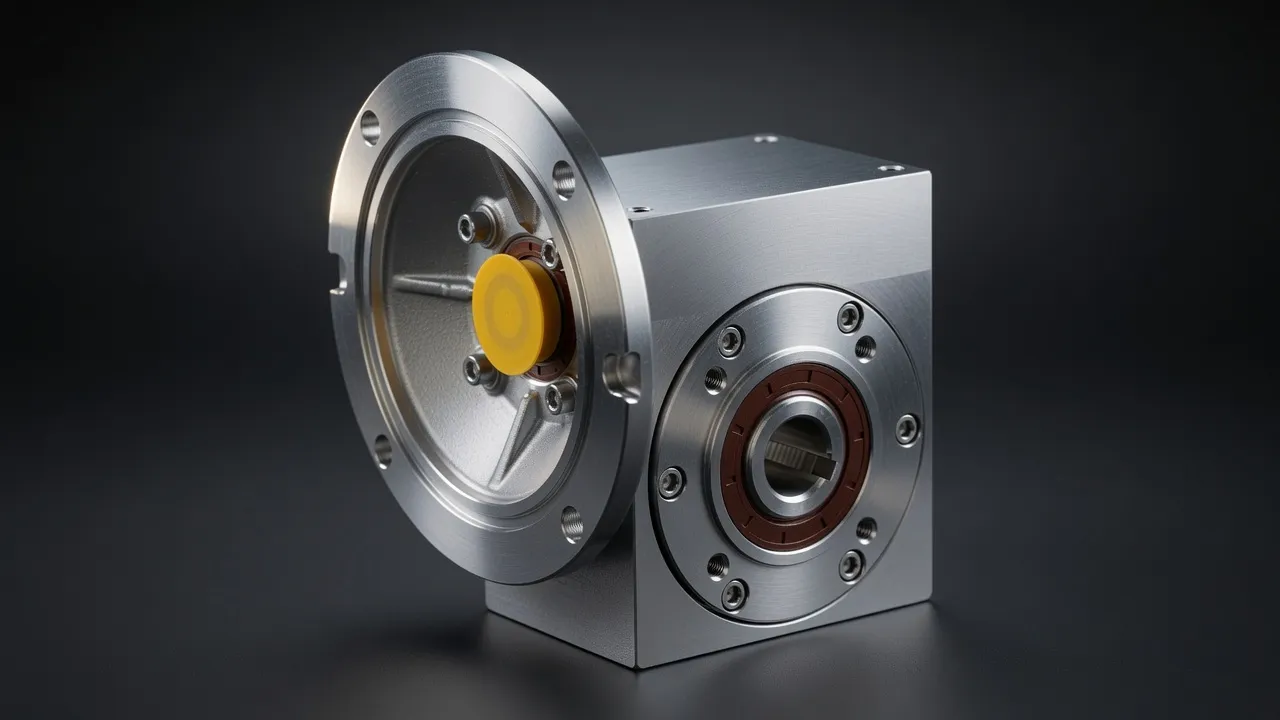
An escalator runs continuously during operating hours — 16 hours per day in a busy shopping centre, 20 hours in a major transit station. At 15 kW motor input and 75% worm efficiency, 3.75 kW of heat is generated continuously in the housing. This is the defining thermal challenge for escalator worm gearboxes. The solutions used in practice include: forced-air cooling fans integrally mounted on the input shaft, oil-air heat exchangers for larger units, and in some modern installations, oil-water coolers that use building chilled water to maintain the oil below 60°C regardless of ambient. Housing temperature monitoring with automatic motor cutout above 90°C is standard on transit-grade escalator installations.
Holding Brake and Safety System Integration
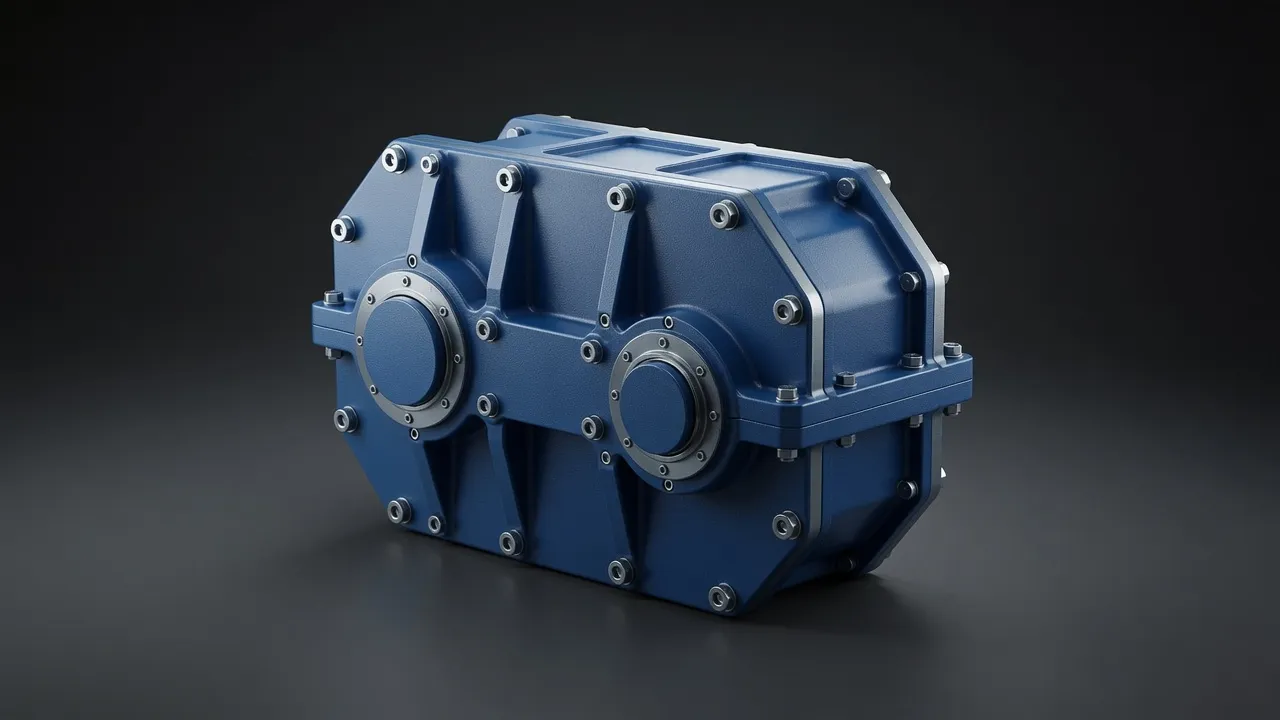
Every escalator gearbox is paired with a holding brake — typically a spring-applied, electrically released disc or drum brake mounted on the motor shaft or the high-speed input shaft of the gearbox. The brake holds the escalator stationary when power is removed and also provides the controlled deceleration during a fault stop. The worm gearbox contributes secondary holding through its self-locking property, but the primary safety device is always the rated brake. Australian escalator installations must comply with EN115 and the relevant state plumbing and building regulations; many jurisdictions also require periodic escalator drive brake testing by a certified elevator engineer.
For escalator gearboxes that need to be sourced or replaced in Australian installations, the EA double-stage worm reducer provides higher-ratio options in a compact housing suitable for constrained machine room situations. For comparable units from specialist escalator drive suppliers, the S-series helical-worm combination reducer offers the efficiency advantage of a helical input stage combined with the compactness of a worm output stage — a configuration used in many modern escalator retrofit projects.
Maintenance and Condition Monitoring for High-Availability Operation
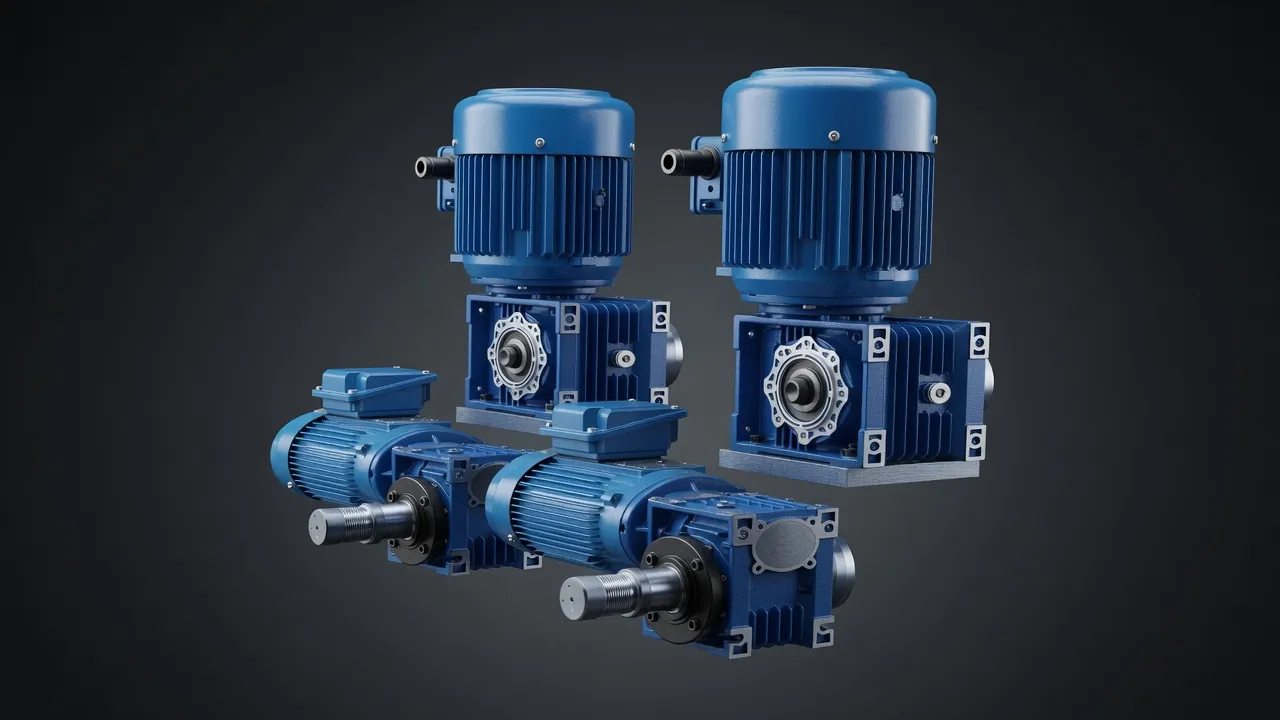
Escalator operators demand maximum availability and typically contract preventive maintenance at 3-month intervals. At each service visit, the gearbox oil level, oil condition, and housing temperature are checked and recorded. Oil is changed annually on standard commercial escalators and every 6 months on transit-grade escalators running 20+ hours per day. Vibration monitoring using a handheld accelerometer at the housing bearing faces detects developing bearing defects 4–8 weeks before failure — enough warning time to schedule a planned replacement during a low-traffic period rather than an emergency shutdown during morning peak hour.
Frequently Asked Questions
Speak with a Drive Specialist
Send through your load data, speed requirement, and application environment — our team at Condell Park NSW provides a sized gearbox recommendation and stock availability check within one business day. No obligation.