
Winch drives carry loads measured in tonnes over long cable runs, often outdoors, often under shock. The combination of high reduction ratio, intermittent duty, and large rope drum radius pushes torque requirements well beyond what a standard single-stage worm unit delivers efficiently — yet the right WPE double-reduction arrangement handles the job with fewer moving parts than a conventional planetary-and-drum assembly.
Why Winches Need High Ratios
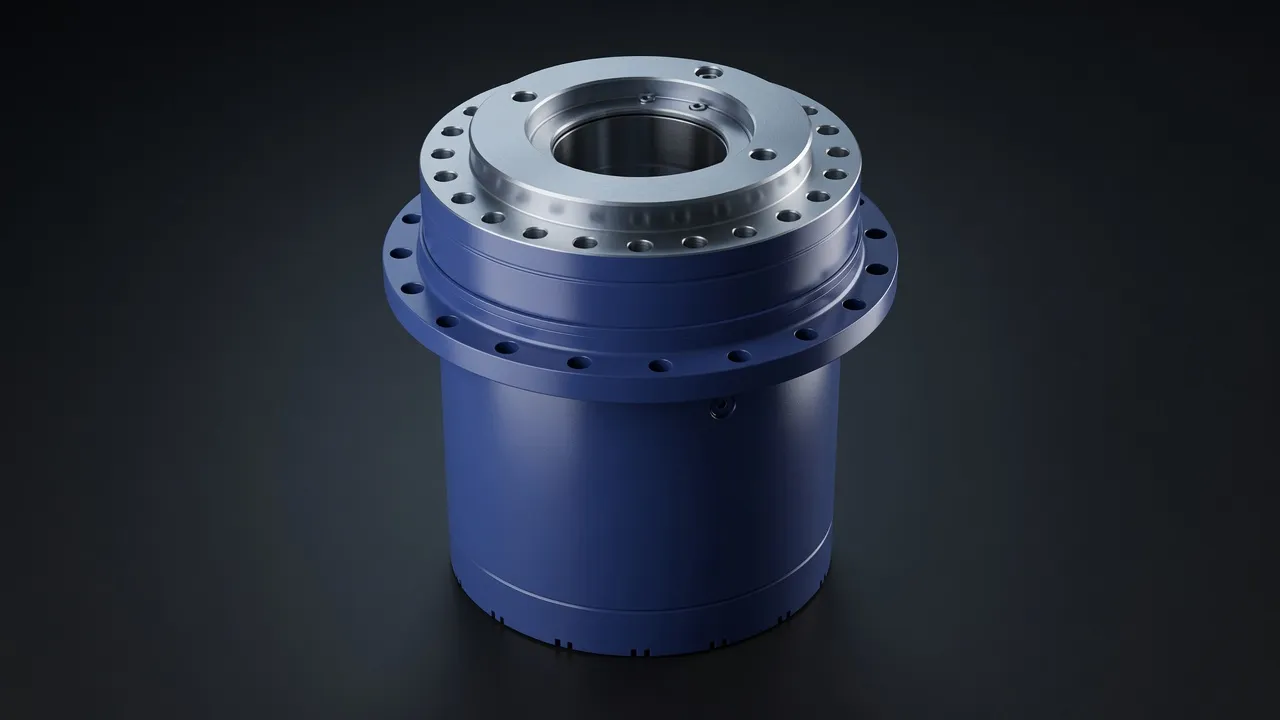
Most winches pull loads at 2–10 m/min using a motor spinning at 1 440 r/min. At 4 m/min pull speed and a 250 mm radius drum, the drum needs to turn at roughly 5 rpm. The overall ratio needed is 1 440 ÷ 5 = 288:1. Single-stage worm gear ratios cap at 1:60, so reaching 288:1 requires either a two-stage worm arrangement (WPE series, up to 1:3 600) or a worm stage combined with a chain or planetary stage. The WPE double-reduction series at 1:300 covers most construction and marine winch requirements in a single housing.
| Winch SWL | Pull Speed | Required Drum RPM | Gearbox Output Torque | WPE Frame |
|---|---|---|---|---|
| 1 t | 6 m/min | 9.5 rpm | 2 100 N·m | WPE 80-135, 1:200 |
| 2 t | 4 m/min | 6.4 rpm | 3 130 N·m | WPE 100-155, 1:200 |
| 5 t | 3 m/min | 4.8 rpm | 4 905 N·m | WPE 135-200, 1:300 |
| 10 t | 2 m/min | 3.2 rpm | 9 800 N·m | WPE 155-250 + chain |
| 20 t | 1.5 m/min | 2.4 rpm | 19 600 N·m | Custom compound drive |
Drum radius 200 mm assumed; add 10% per additional rope layer at maximum rope capacity.
Self-Locking Under Shock Load
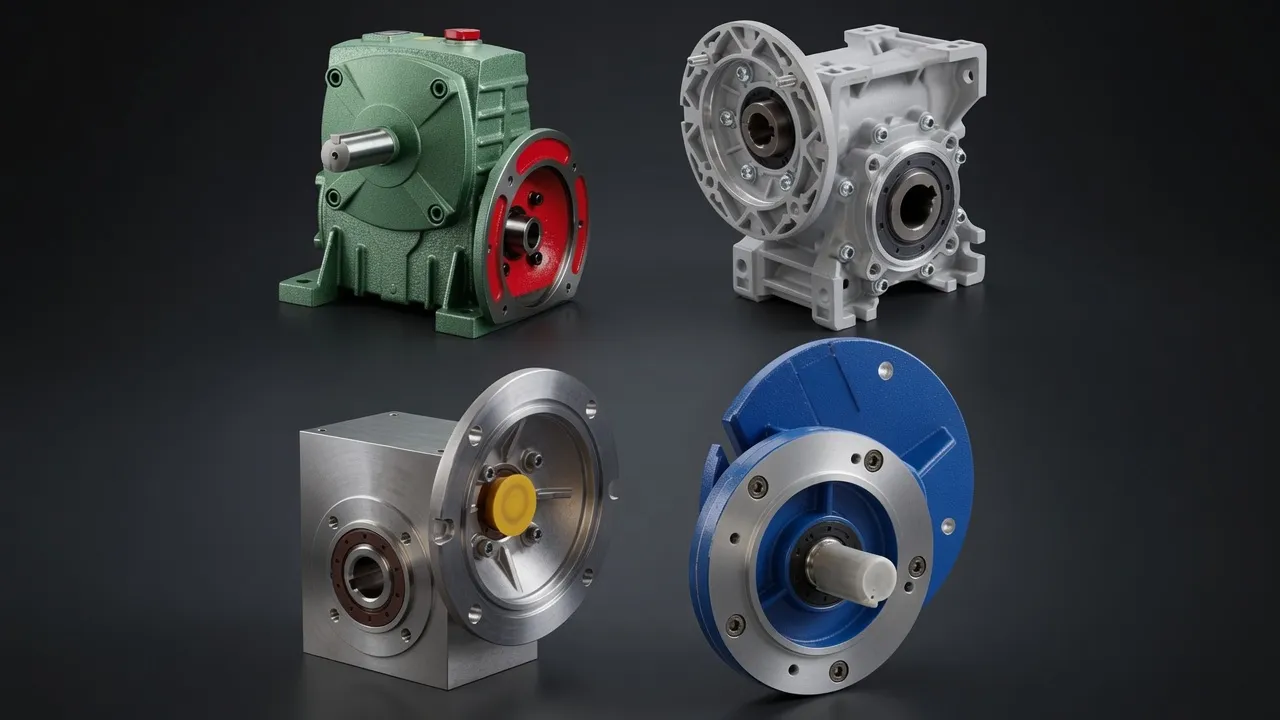
Winch loads are rarely smooth. A mooring winch taking up slack on a vessel in surge, or a construction winch lifting a swinging load, experiences sudden tension spikes as the rope jerks taut. At ratios of 1:300 (two-stage WPE), the self-locking property is extremely robust — the combined worm lead angles of both stages make reverse drive essentially impossible under any practical load. This is genuinely useful for mooring and anchor winches where the load hangs unattended for extended periods.
Outdoor Weatherproofing and Corrosion Protection
Marine and construction winches live in conditions that destroy standard industrial gearboxes within two seasons — salt spray, UV, condensation cycles, and pressure-washing combine to force moisture past standard lip seals. The EWA universal double-worm series with extended labyrinth seals and epoxy-prime painted housings handles marine environments better than bare cast-iron units. Change oil every 12 months rather than 2 500 hours for intermittent outdoor duty — condensation contamination is the key risk. For comparable IP-rated alternatives, the HSRV stainless steel gearbox offers enhanced corrosion resistance for coastal and offshore installations.
Frequently Asked Questions
Get a Sized Recommendation
Share your load data and target speed — our team at Condell Park NSW returns torque calculations and a stock check within one business day.