
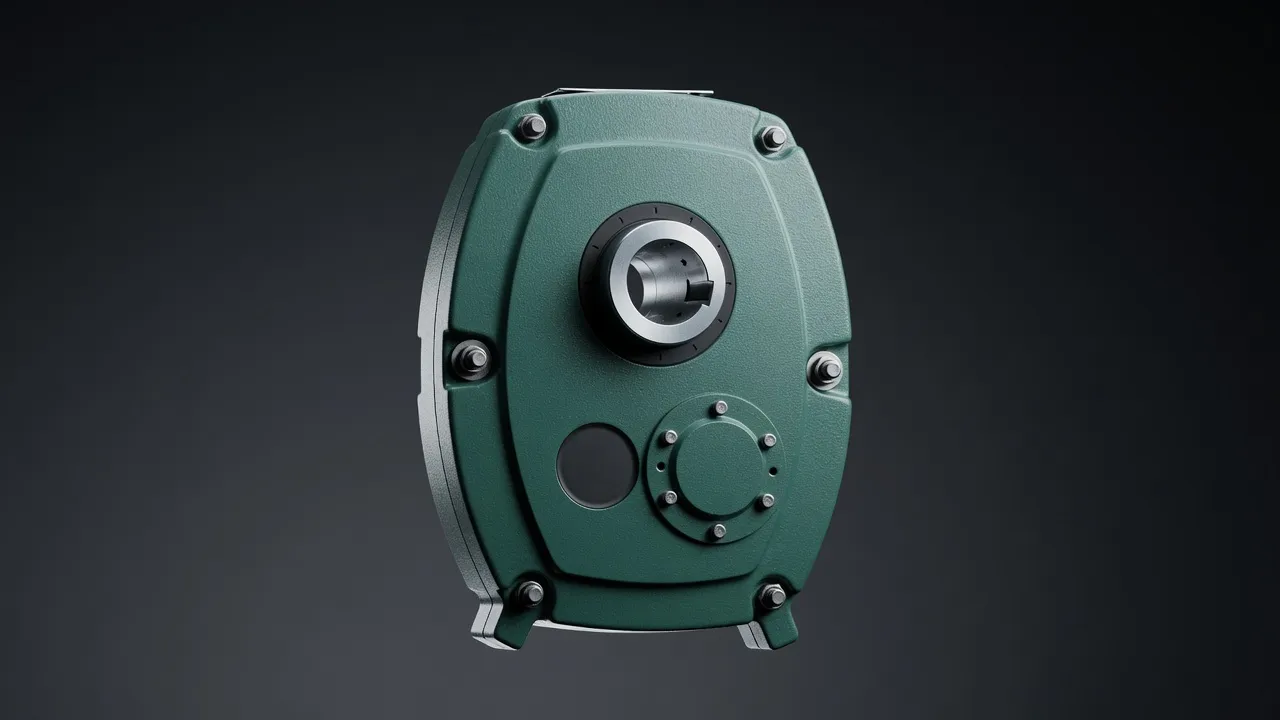
Fine-tuning mechanisms in scientific instruments, optical systems, antenna positioners, telescope mounts, and precision measurement equipment impose requirements that are qualitatively different from industrial worm gearboxes: the emphasis shifts from torque capacity and thermal endurance to minimum backlash, ultra-smooth motion at very low angular velocities, and positional stability over extended periods without any motion at all. A worm gear pair is the standard mechanism for achieving large-ratio angular reduction in precision positioning systems because no other single-stage gear type combines such high ratio with such smooth sliding contact and inherent self-holding.
What Makes Fine Tuning Different from Industrial Drive
An industrial worm reducer must deliver hundreds of newton-metres of output torque reliably for years. A fine-tuning worm mechanism in a spectrometer mirror mount or antenna elevation drive may never see more than 0.5 N·m — but it must respond smoothly to an input of 0.001 N·m at the handwheel, position to within 0.001° of command, and hold that position without creep for days at a time in a temperature-controlled laboratory or for hours in a wind-exposed outdoor environment. These requirements redirect attention from the standard industrial parameters toward mesh quality, surface finish, lubricant film stability, and housing thermal symmetry.
Backlash: The Defining Performance Parameter
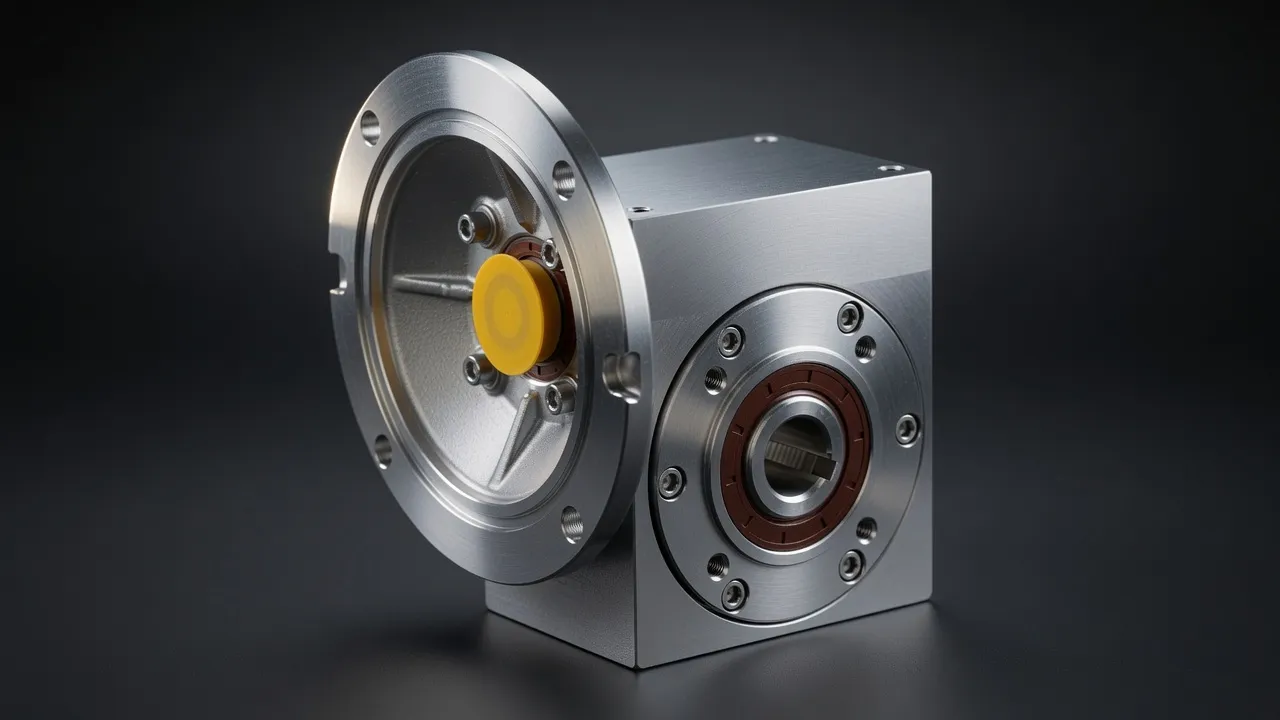
In a fine-tuning worm mechanism, backlash directly limits the reversibility of the adjustment. A telescope mirror tilt mechanism with 0.1° backlash at the worm wheel output translates to an angular uncertainty in the mirror position every time the adjustment direction reverses — in a 10 m focal length system, 0.1° tilt error produces 17 mm of image shift at the focal plane. Precision worm mechanisms used in instrument applications specify backlash in arc-minutes or arc-seconds, not degrees. Achieving arc-minute backlash requires precision-ground worm threads, lapped worm wheel tooth faces, and a preloaded double-worm arrangement or a split worm wheel that maintains constant mesh contact regardless of direction.
Ratio Choices for Fine Adjustment Systems
| Application | Total Ratio Needed | Worm Ratio | Resolution per Handwheel Turn | Notes |
|---|---|---|---|---|
| Telescope elevation adjuster | 1:3 600 | Single 90:1 + 40:1 stage | 0.1° per full turn | Manual operation |
| Antenna azimuth drive, motorised | 1:36 000 | WPE 1:900 × 40:1 worm | 0.01° per full turn | Servo with encoder |
| Spectrometer mirror tilt | 1:7 200 | 72:1 × 100:1 micro-reducer | 0.05° per full turn | Stepper drive |
| Optical bench XY adjuster | 1:1 000 | Single 40:1 standard | 0.36° per turn | Manual fine-thread |
| Radio telescope subreflector | 1:100 000+ | Custom compound worm | <0.001° per turn | Servo + absolute encoder |
Resolution assumes a 360-division handwheel dial or equivalent digital readout.
Smooth Motion at Very Low Angular Velocities
The defining difficulty in precision worm mechanisms is stick-slip — a jerky motion that occurs when the static friction in the worm mesh (which is higher than kinetic friction) prevents smooth initiation of movement. Below a certain input torque threshold, the mechanism stays still; above it, the movement begins suddenly and overshoots the target position. Stick-slip becomes more severe as: the worm mesh becomes tighter (adjusted to reduce backlash), the lubricant viscosity increases (cold environments), and the surface finish of the worm thread deteriorates (wear or contamination).
Precision instrument worm mechanisms address stick-slip through four approaches: using a very fine surface finish (Ra < 0.4 µm) on both worm and wheel contact faces, specifying a low-viscosity lubricant (ISO VG 32 or 46 instead of VG 220–320), operating with the minimum mesh contact that still achieves the backlash specification, and in critical systems, using a dithering signal (a small high-frequency oscillation superimposed on the control signal) to keep the mesh in kinetic rather than static friction.
Temperature Stability and Thermal Drift
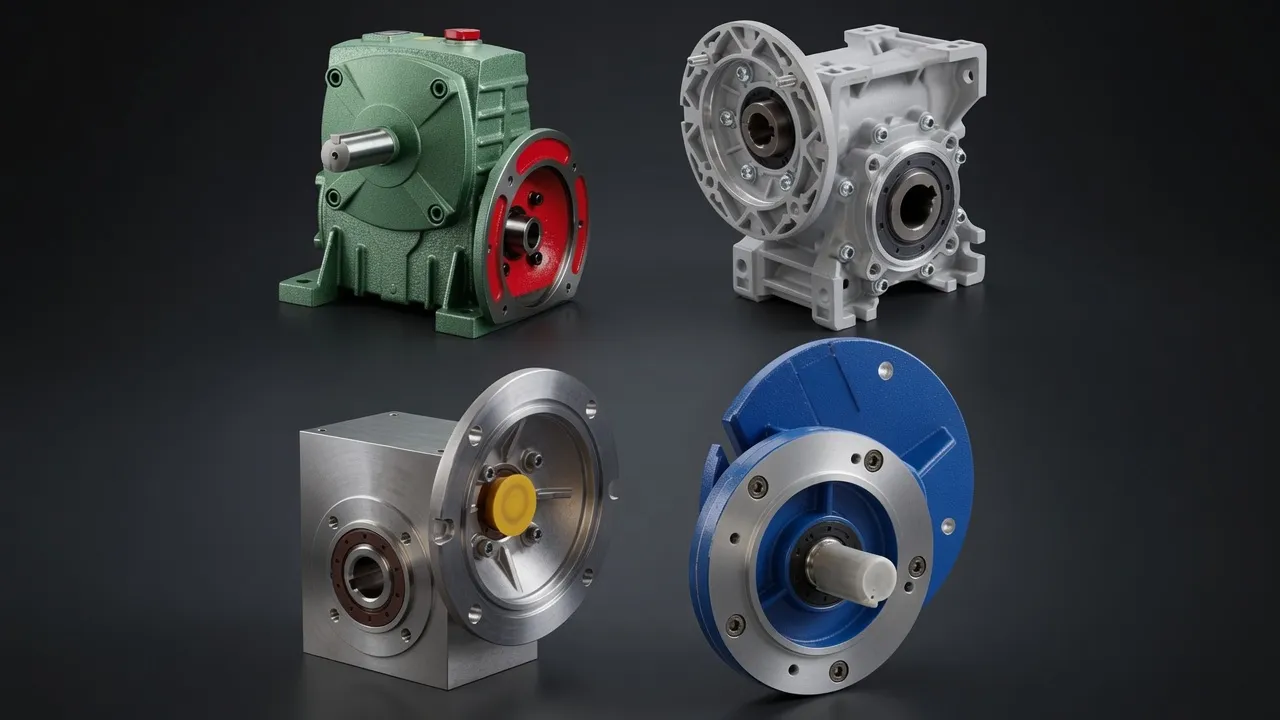
Laboratory instruments often specify angular position to arc-second accuracy and expect the position to remain stable for hours without adjustment. Thermal drift in a worm mechanism comes from differential expansion of the steel worm shaft and the aluminium or zinc alloy housing — a 10°C temperature change in a standard aluminium-housed unit with a steel worm can produce a positional shift of 0.01–0.02° at the output, which is unacceptable for precision instrument applications. Steel-housing units (WP series cast iron) have much lower differential expansion between housing and worm, making them the thermally stable choice for instrument applications despite their weight disadvantage. Where weight is critical (airborne or space applications), the housing and shaft material must be matched thermally or the thermal drift must be compensated by the control system.
Selecting a Worm Gearbox for Antenna Positioner Applications
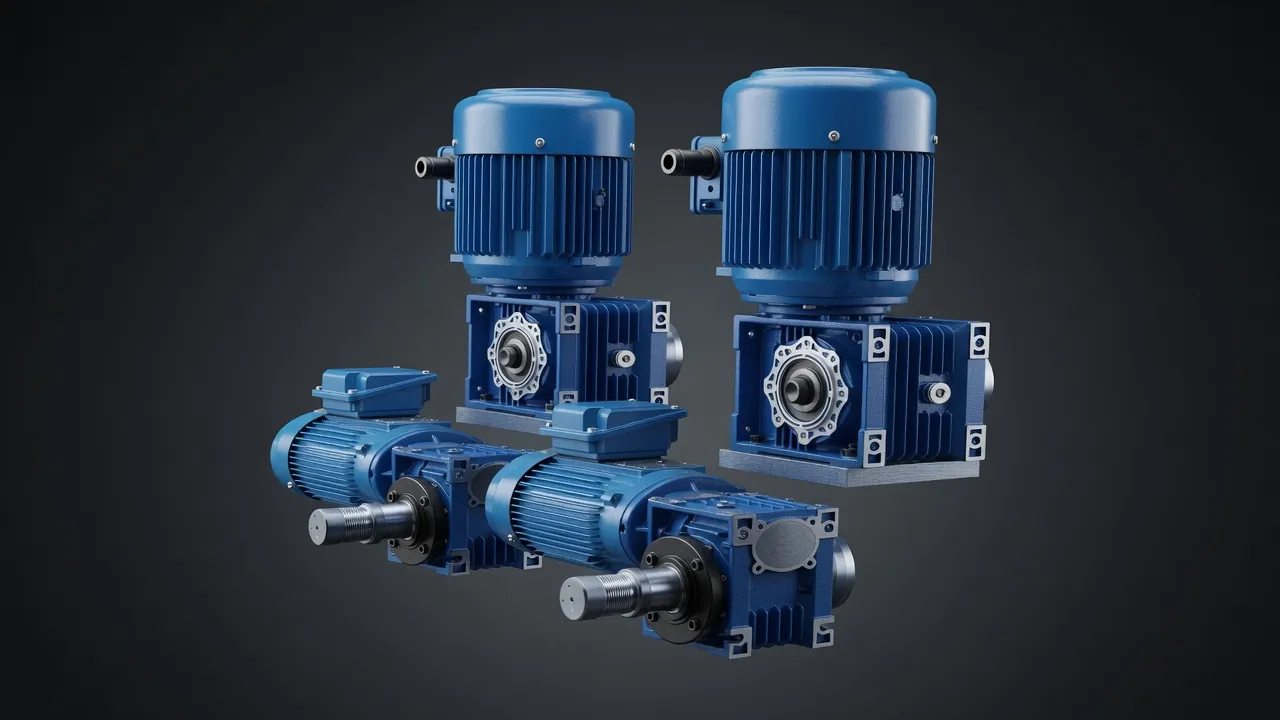
Antenna positioners on ground stations, marine vessels, and weather monitoring sites require a worm gearbox that handles outdoor exposure, wide temperature range (−20°C to +60°C), and moderate structural loads from wind, while still providing the smooth motion and low backlash needed for beam pointing accuracy. The EWA universal double-worm series provides the dual-stage reduction in a single sealed housing with positioning for the output face in any direction, which suits the geometry of most elevation and azimuth antenna drive systems. For marine applications, the HSRV stainless steel worm gearbox provides the corrosion resistance of a marine-grade housing without the mass and manufacturing complexity of a custom design.
Frequently Asked Questions
Speak with a Drive Specialist
Send through your load data, speed requirement, and application environment — our team at Condell Park NSW provides a sized gearbox recommendation and stock availability check within one business day. No obligation.