
Valve actuators are among the most varied applications in industrial worm gearbox use: the same mechanical principle — converting motor rotation to valve stem torque through a worm and wheel pair — serves a 20 mm ball valve in a water treatment plant and a 1 200 mm butterfly valve on a large-diameter pipeline, with output torque requirements spanning four orders of magnitude. The right-angle transmission of the worm pair is particularly well-matched to quarter-turn and multi-turn valve designs, the self-locking property eliminates the need for a separate valve lock in most applications, and the large ratios available from a single stage provide slow, controllable stem rotation that prevents water hammer in liquid pipelines.
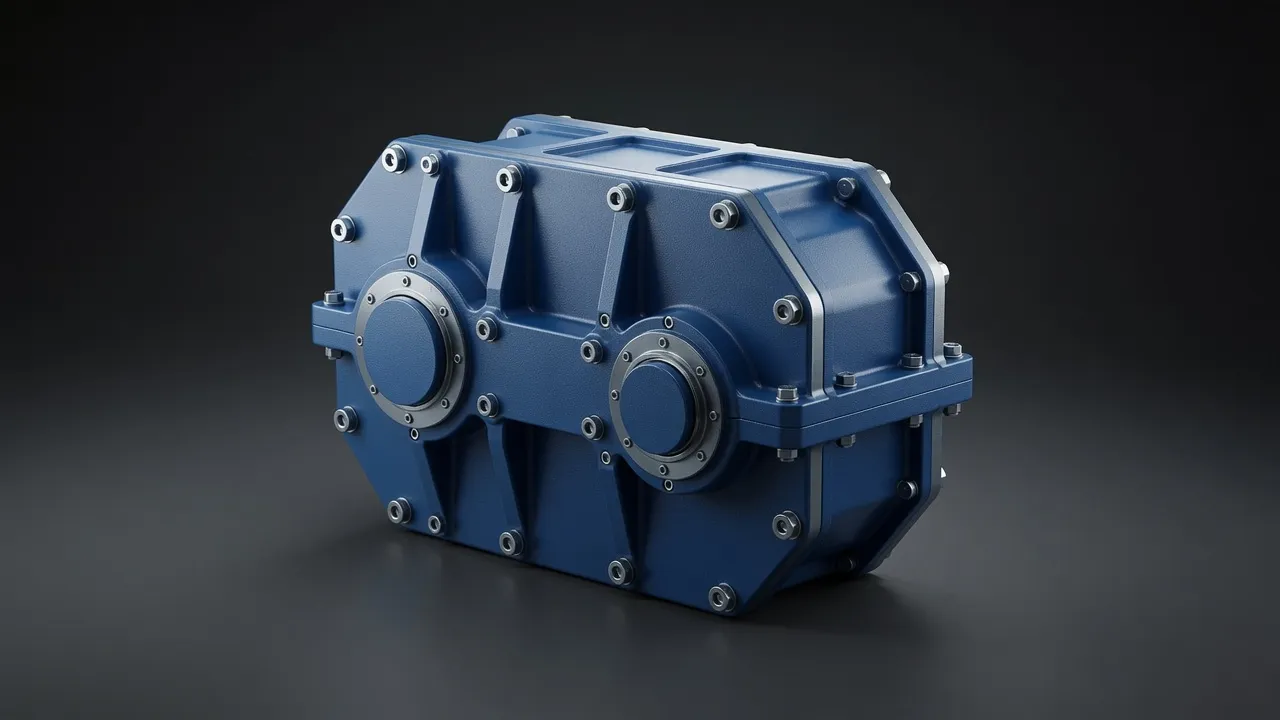
Quarter-Turn vs Multi-Turn Valves: Different Drive Requirements
Quarter-Turn Valves (Ball, Butterfly, Plug)
Quarter-turn valves travel 90° from fully open to fully closed. The worm actuator turns the valve stem through this 90° range, with the gearbox output rotation per valve travel depending on the worm ratio. A 40:1 gearbox requires 40 ÷ 4 = 10 revolutions of the worm shaft (input) to move the valve through 90°. With a 1 440 rpm input motor, the valve travels 90° in 10 ÷ 1 440 × 60 = 0.42 seconds — uncomfortably fast for large valves on liquid pipelines where water hammer is a concern. A 1:60 ratio gives 0.62 seconds for the 90° travel — better but still marginal for large-diameter lines. In practice, valve actuator speeds are specified in seconds per 90° or degrees per second, and a VFD on the motor allows speed adjustment without changing the gearbox.
Multi-Turn Valves (Gate, Globe, Needle)
Gate and globe valves require multiple turns of the valve stem (typically 5–50 turns depending on thread pitch and valve size) to move from fully open to fully closed. A worm actuator connected to a gate valve with a 20 mm thread pitch and a 200 mm travel requires the stem to turn 200 ÷ 20 = 10 times. The gearbox output shaft turns at the same rate as the stem — 10 revolutions for full valve travel. This is the most straightforward worm actuator configuration; the gearbox ratio is chosen purely to match motor speed to an acceptable valve stem speed, and torque is calculated from the seating force required to fully close the valve against the line pressure.
| Valve Type | Valve Size (DN) | Typical Operating Torque | Actuator Ratio | WP Unit |
|---|---|---|---|---|
| Ball valve, quarter-turn | DN 50 (2″) | 50–120 N·m | 1:40 | WPA 70, 1:40 |
| Butterfly valve, quarter-turn | DN 200 (8″) | 200–500 N·m | 1:50–1:60 | WPA 100, 1:50 |
| Butterfly valve, large | DN 600 (24″) | 1 500–3 000 N·m | 1:60 | WPA 200, 1:60 |
| Gate valve, multi-turn | DN 100 (4″) | 150–400 N·m | 1:30–1:40 | WPA 80–100, 1:40 |
| Globe valve, throttling | DN 50 (2″) | 80–200 N·m | 1:30–1:40 | WPA 70–80, 1:40 |
Operating torque varies significantly with fluid pressure, valve condition, and temperature. Always verify with valve manufacturer.
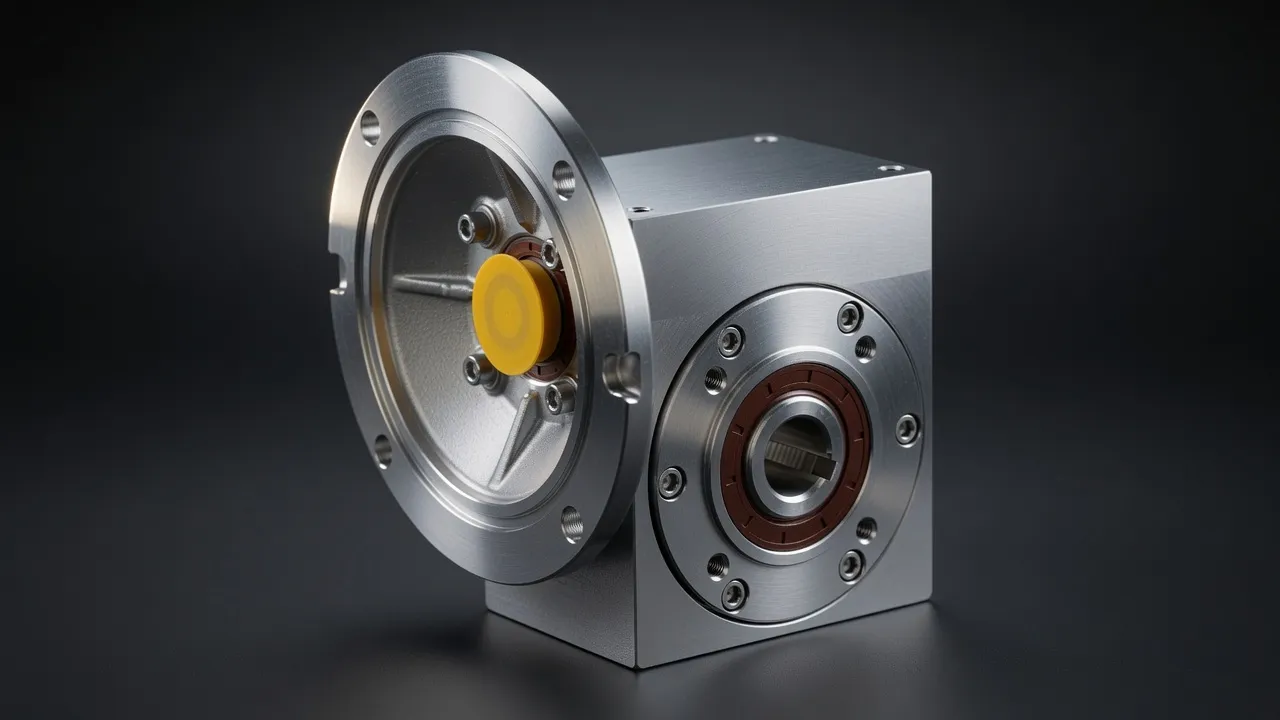
Torque Calculation for Valve Actuators
Valve actuator torque has three components: the breakaway torque (to start the valve moving from the seated position against maximum differential pressure), the running torque (to maintain movement through the stroke), and the seating torque (to achieve the final seal at the closed position). These three values can differ substantially — a butterfly valve with a soft rubber seat can have a seating torque 3–4 times the running torque as the seat rubber is compressed. Always request torque curves from the valve manufacturer rather than calculating from first principles, as seat geometry and material have a dominant effect that simple pressure-times-area calculations do not capture.
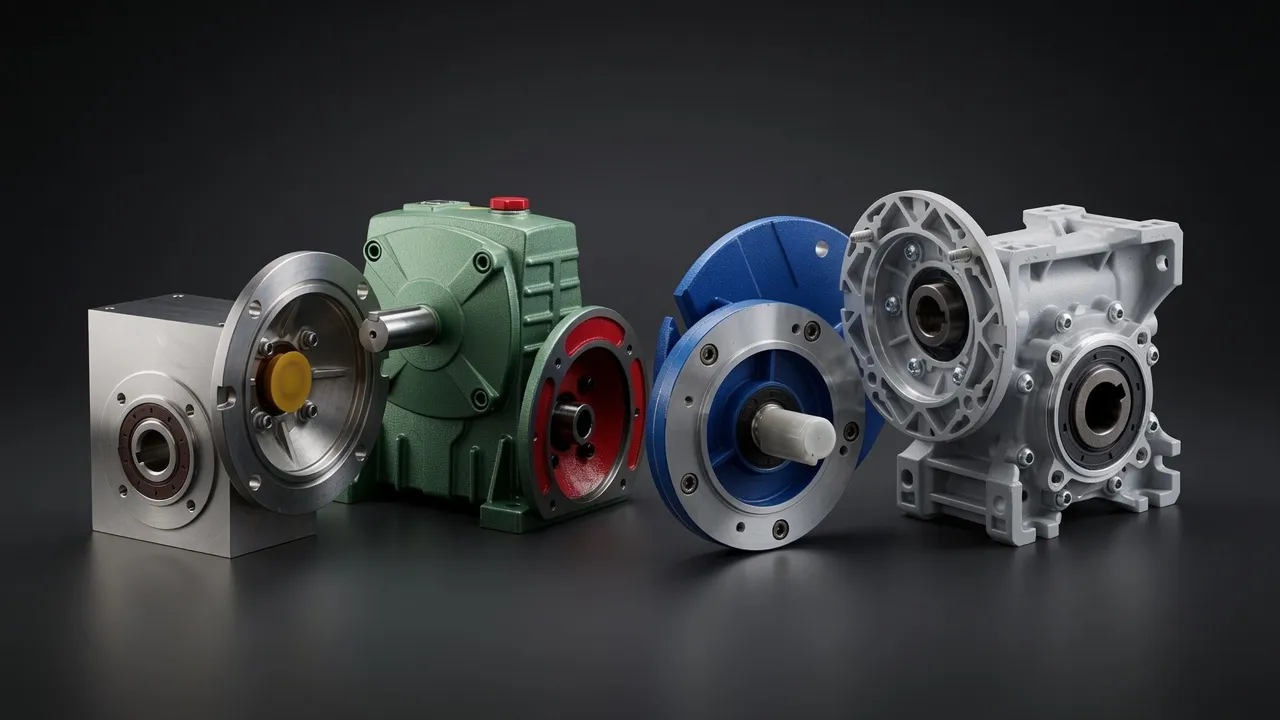
Self-Locking for Valve Position Retention
Self-locking in a valve actuator worm drive serves two practical purposes: it prevents the valve from being back-driven by line pressure (particularly important for butterfly valves where the disc creates a pressure differential that tries to rotate the stem when the valve is partially open), and it eliminates the need for a separate valve lock or interlock in most non-safety-critical applications. At ratios of 1:30 and above, the standard WP worm pair is self-locking under all valve operating conditions within the gearbox’s rated torque range. The DKA hollow shaft series with the hollow bore sliding directly over the valve stem is the most compact and mechanically clean arrangement for quarter-turn valve actuators, eliminating the external coupling hardware that is a common source of torque loss and positional error.
Sealing for Hazardous and Outdoor Applications
Valve actuators are often installed in environments that require special sealing attention: buried pipework (continuous moisture exposure), outdoor process plant (weather cycling and UV), chemical plant (solvent vapour and corrosive atmospheres), and subsea or flooded installations (full immersion). Standard WP units with IP54 housing sealing are adequate for sheltered outdoor installations. Chemical plant and process installations should specify IP65 as a minimum, with Viton seals on the output shaft for resistance to solvent and acid vapour exposure. For buried actuator applications (common on large-diameter transmission pipeline valves), the entire actuator including gearbox must be rated IP68 and fitted with a sealed position indicator — the gearbox housing must not allow water ingress under sustained submersion pressure.
The DA series with enhanced sealing is appropriate for most outdoor and process plant applications. For valve actuators in food and pharmaceutical processing lines where the actuator is subject to daily CIP (clean-in-place) chemical wash-down, specify food-grade H1 lubricant and confirm the seal material is resistant to the CIP chemicals in use. The HSRV stainless steel worm gearbox is the premium option for process plant valve actuators where hygiene and chemical resistance are both required.
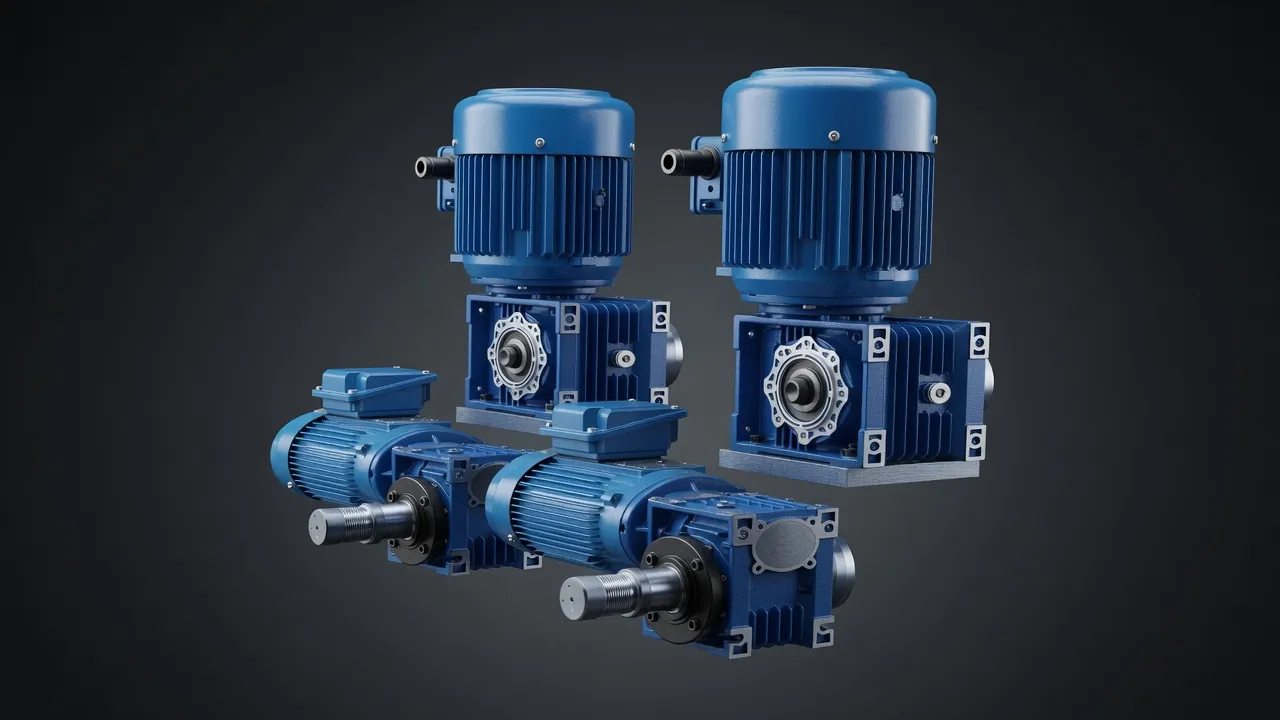
Position Feedback and Control Integration
Modern valve actuator systems integrate position feedback — typically a potentiometer, encoder, or HART-protocol smart positioner — with the worm actuator to provide remote valve position readout and modulating control. The worm actuator gearbox output shaft is the natural location for a position feedback device because it rotates at a manageable speed (typically 0–60 rpm during actuation) and in a direct ratio relationship with the valve stem position. For quarter-turn valves, a 0–90° feedback range is standard; for multi-turn gate valves, a multi-turn encoder is required. The worm gearbox inherent self-locking property eliminates hunting behaviour (where the controller oscillates around the setpoint) because the valve does not move unless the motor is actively driving — the worm holds position exactly where the motor stops.
Frequently Asked Questions
Speak with a Drive Specialist
Send through your load data, speed requirement, and application environment — our team at Condell Park NSW provides a sized gearbox recommendation and stock availability check within one business day. No obligation.