
The final drive on an agricultural tractor is the last gear reduction before the rear axle ¡ª the element that multiplies the transmission output torque to produce the tractive force that pulls the implement through the soil. On Australian farms from the Victorian grain belt to the Queensland cotton country, tractors ranging from 60 kW compact utility machines to 450 kW articulated four-wheel-drive giants rely on planetary final drives that must deliver reliable maximum tractive effort for decades of field work, through creek crossings, rocky headlands, and the clay soils of the Darling Downs that grip the wheels with viscous ferocity. The planetary final drive is the component most exposed to shock, contamination, and overload in the entire tractor drivetrain.
Tractor Final Drive Architecture
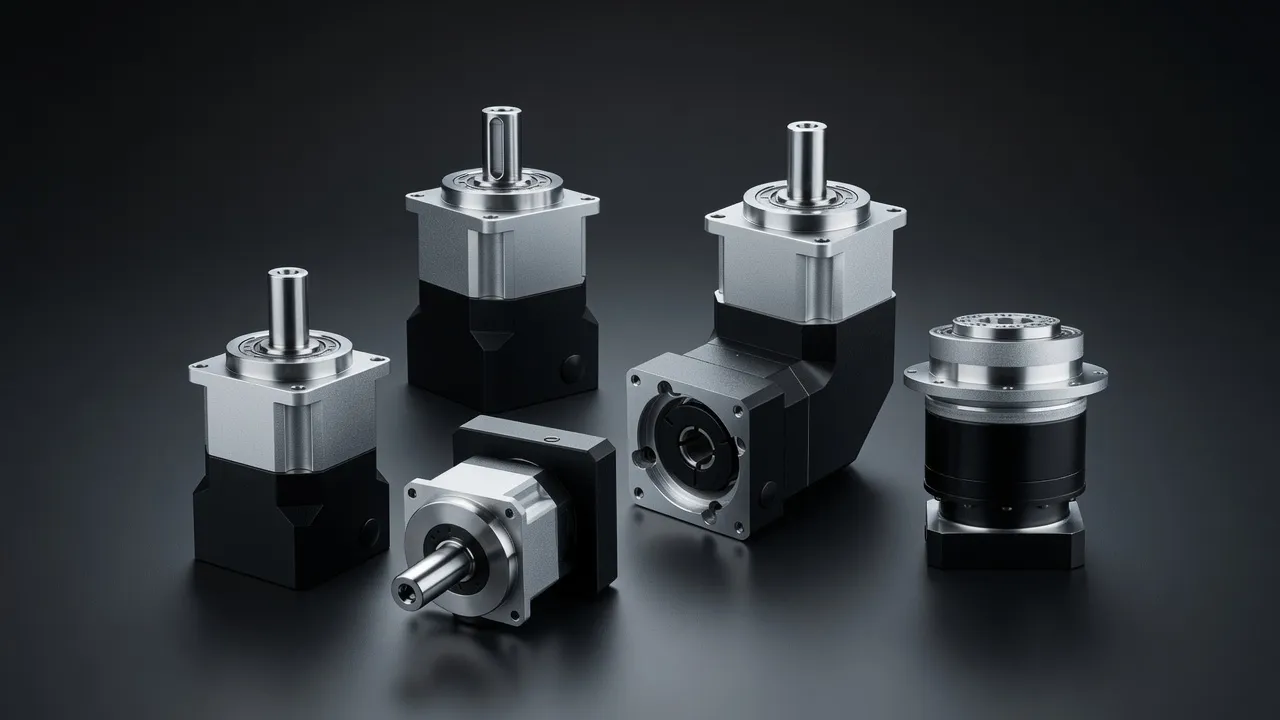
Most modern tractors use a planetary final drive integrated within the rear axle hub. The transmission output shaft drives a pinion that meshes with a bull gear, which in turn drives the axle through a planetary set. The planetary arrangement allows the axle to float on its own bearings independently of the transmission shaft, reducing the bending load on the transmission output shaft. The ring gear fixed to the axle housing and the planet carrier connected to the wheel hub are the key interfaces between the planetary gearbox and the tractor structure.
| Tractor Class | Engine Power | Drawbar Pull | Field Speed | Wheel Torque per Side | Overall Final Drive Ratio |
|---|---|---|---|---|---|
| Compact 40¨C80 kW | 40¨C80 kW | 20¨C45 kN | 4¨C8 km/h | 15 000¨C30 000 N¡¤m | 20:1¨C40:1 |
| Mid 80¨C150 kW | 80¨C150 kW | 45¨C80 kN | 5¨C10 km/h | 30 000¨C60 000 N¡¤m | 30:1¨C60:1 |
| Large 150¨C250 kW | 150¨C250 kW | 80¨C130 kN | 6¨C12 km/h | 60 000¨C98 000 N¡¤m | 40:1¨C80:1 |
| 4WD articulated 250¨C350 kW | 250¨C350 kW | 120¨C200 kN | 6¨C14 km/h | 90 000¨C150 000 N¡¤m | 50:1¨C100:1 |
| Giant 350¨C450+ kW | 350¨C450+ kW | 180¨C280 kN | 7¨C16 km/h | 135 000¨C210 000 N¡¤m | 60:1¨C120:1 |
Wheel torque = drawbar pull times wheel radius of approximately 0.75 m for large tractors.
Field Durability: Clay, Rock, and Wheel Slip
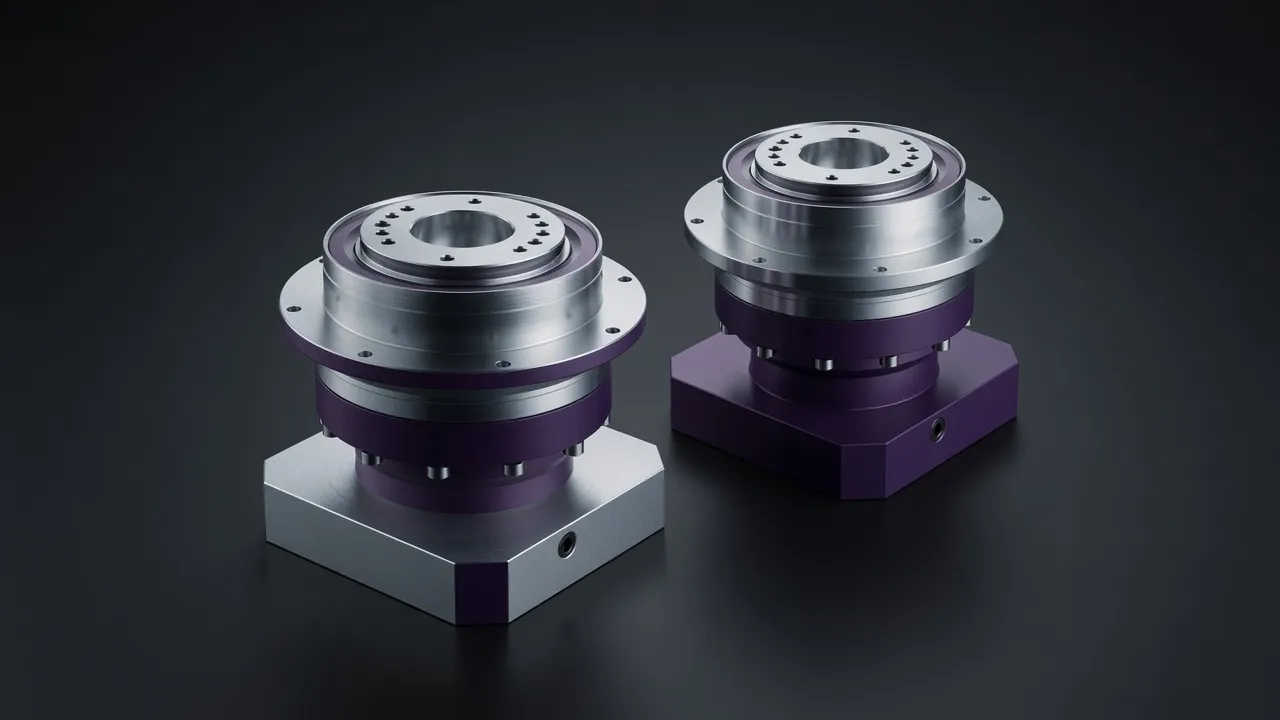
Australian agricultural conditions test the final drive more severely than any controlled environment. Black soil country in Queensland generates wheel-gripping friction forces that can stall a tractor on a slight downhill, transferring the full engine torque to the final drive statically while the engine strains against the stuck wheel. Rocky headlands on NSW granite country produce sudden wheel-over-rock events that briefly double the rolling resistance and shock-load the final drive. The EPX heavy planetary series provides the through-hardened alloy steel gear material, shot-peened tooth roots, and conservative tooth safety factors that replicate the durability standards of agricultural tractor final drives in an industrial planetary format. For precision tractor operations such as GPS-guided bed forming and direct seeding where position accuracy at the wheel matters, the EPG two-stage precision planetary demonstrates the backlash and stiffness characteristics applicable to precision agricultural drive specifications.
Wet Brake Integration and Final Drive Oil
Tractor rear axles integrate the wet disc service brakes within the final drive housing, immersed in the same oil bath as the planetary gears. The wet brake discs are friction materials designed to work in oil ¡ª different from dry brakes in friction coefficient and heat dissipation properties. This integration means the final drive oil must be compatible with the wet brake friction material. Tractor-specification UTTO at ISO VG 46 is the standard for integrated wet brake final drive axles; standard gear oil EP grades are not compatible with wet brake friction materials and must not be used.
Frequently Asked Questions
Speak with a Planetary Drive Specialist
Share your torque requirement, ratio, and application environment ¡ª our team at Condell Park NSW returns a sized recommendation and stock check within one business day. No obligation.