
Automated storage and retrieval systems in distribution centres, cold stores, and pharmaceutical warehouses across Australia ¡ª from the large Woolworths and Coles distribution network facilities in Western Sydney to the temperature-controlled cold chain stores serving the Queensland fresh produce industry ¡ª depend on high-cycle precision planetary gearboxes at every axis of motion. The stacker cranes, shuttle vehicles, and mini-load systems that constitute modern AS/RS must position loads to within plus or minus 2 mm anywhere in a racking structure 30 m high and 100 m long, complete 250 to 600 storage and retrieval cycles per hour across a 24-hour operating day, and do all of this for 10 to 15 years between major mechanical overhauls without disrupting distribution operations.
AS/RS Drive Types and Gearbox Requirements
Three motion axes on a stacker crane each require a planetary gearbox: the travel drive moving the crane along the aisle at up to 4 m/s, the lift drive raising or lowering the load platform at up to 2 m/s, and the transfer drive extending and retracting the load-handling device to pick from or deposit to a rack location. The travel and lift drives require high torque at full speed for fast cycle times; the transfer drive requires precise positioning to engage the load correctly. All three drives must stop at precise positions repeatedly, with the same positioning accuracy on the 5 000th cycle as on the first.
| Drive Axis | Speed | Acceleration | Required Torque | Positioning Accuracy | Gearbox Series |
|---|---|---|---|---|---|
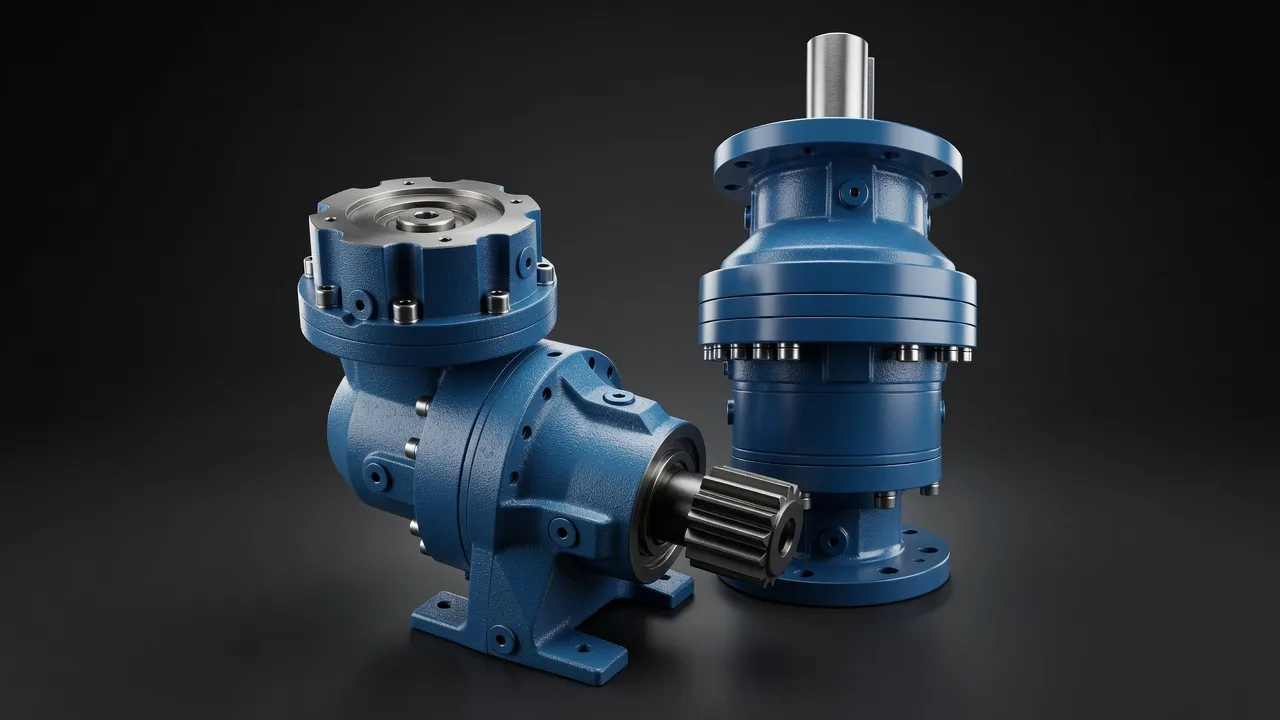
| Travel X-axis | 4 m/s | 2 m/s2 | 1 500¨C3 000 N¡¤m | ¡À2 mm at stop | EPG2 or AB115 |
| Lift Y-axis | 2 m/s | 1.5 m/s2 | 3 000¨C8 000 N¡¤m | ¡À2 mm at stop | EPB or EPX |
| Transfer/shuttle | 0.5 m/s | 1 m/s2 | 500¨C1 500 N¡¤m | ¡À1 mm at stop | EPG2 or AB090 |
| Mini-load travel | 3 m/s | 3 m/s2 | 300¨C800 N¡¤m | ¡À1.5 mm | AB090 or AB115 |
| Mini-load lift | 1.5 m/s | 2 m/s2 | 500¨C1 500 N¡¤m | ¡À1 mm | EPG1 or AB090 |
Positioning accuracy is at the tip of the load handling device, including gearbox and rack deformation effects.
Cycle Life and Planetary Gear Fatigue
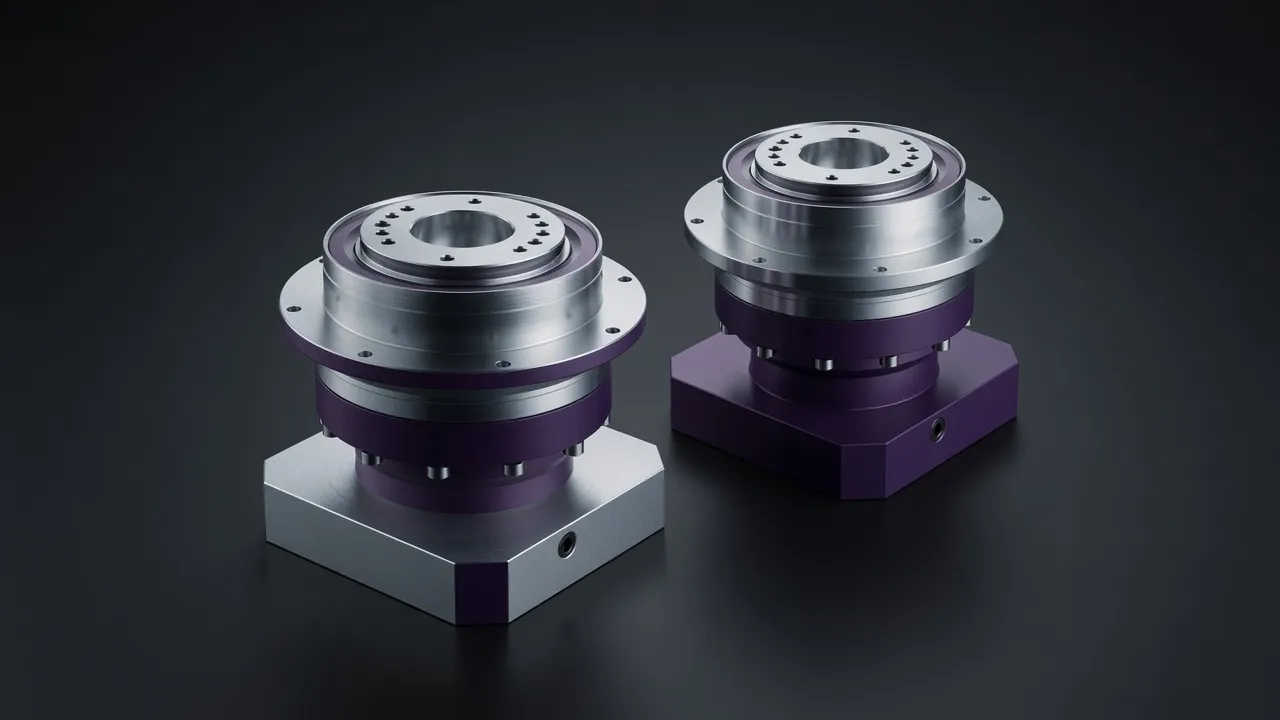
An AS/RS stacker crane completing 400 storage cycles per day operates 365 days per year, accumulating 146 000 cycles per year. Each cycle involves full acceleration from rest, constant speed travel, deceleration, stop, extend, retract, travel back, and another acceleration-deceleration cycle. Over 15 years: more than 4 million direction reversals per travel axis gearbox. The planet gear teeth must maintain their surface integrity and the backlash must remain within the positioning accuracy budget throughout this cycle life. The EPG two-stage precision planetary achieves L10 bearing life above 30 000 hours at AS/RS duty loads, providing the cycle life needed for the 10 to 15-year overhaul-free operation target. The AB115 high-precision planetary series provides an alternative for high-acceleration mini-load systems requiring very low backlash at the maximum acceleration torque.
Cold Store Operations: Low-Temperature Lubrication
AS/RS installations in cold stores for frozen food distribution operate at minus 25¡ãC to minus 30¡ãC ambient temperature. Standard synthetic PAO gear oil at ISO VG 100 remains fluid at these temperatures. More importantly, the gearbox bearings must generate adequate oil film under cold-start conditions ¡ª immediately after starting at minus 25¡ãC, the oil has high viscosity and may not immediately penetrate the bearing contact zone. Specifying synthetic VG 68 or VG 100 oil at minus 25¡ãC rather than the standard VG 220 used in ambient temperature AS/RS ensures adequate cold-start lubrication without oil starvation.
Frequently Asked Questions
Speak with a Planetary Drive Specialist
Share your torque requirement, ratio, and application environment ¡ª our team at Condell Park NSW returns a sized recommendation and stock check within one business day. No obligation.