
The drive wheel assembly on an electric counterbalance forklift is the traction and braking system for a vehicle that may carry 2 000 to 8 000 kg of load at 12 to 20 km/h through a warehouse, position the load to within plus or minus 10 mm for pallet racking, and repeat this cycle 100 to 200 times per shift for 3 shifts per day across a working life of 10 to 15 years. The planetary gearbox inside the drive wheel hub reduces the traction motor speed to the wheel speed, multiplies the motor torque to produce the tractive force needed to move the loaded vehicle up ramp gradients, and must survive the repeated shock of kerb drops, floor joint impacts, and sudden emergency stops that characterise industrial vehicle operation in Australian distribution centres and manufacturing facilities.
Forklift Drive Wheel Architecture
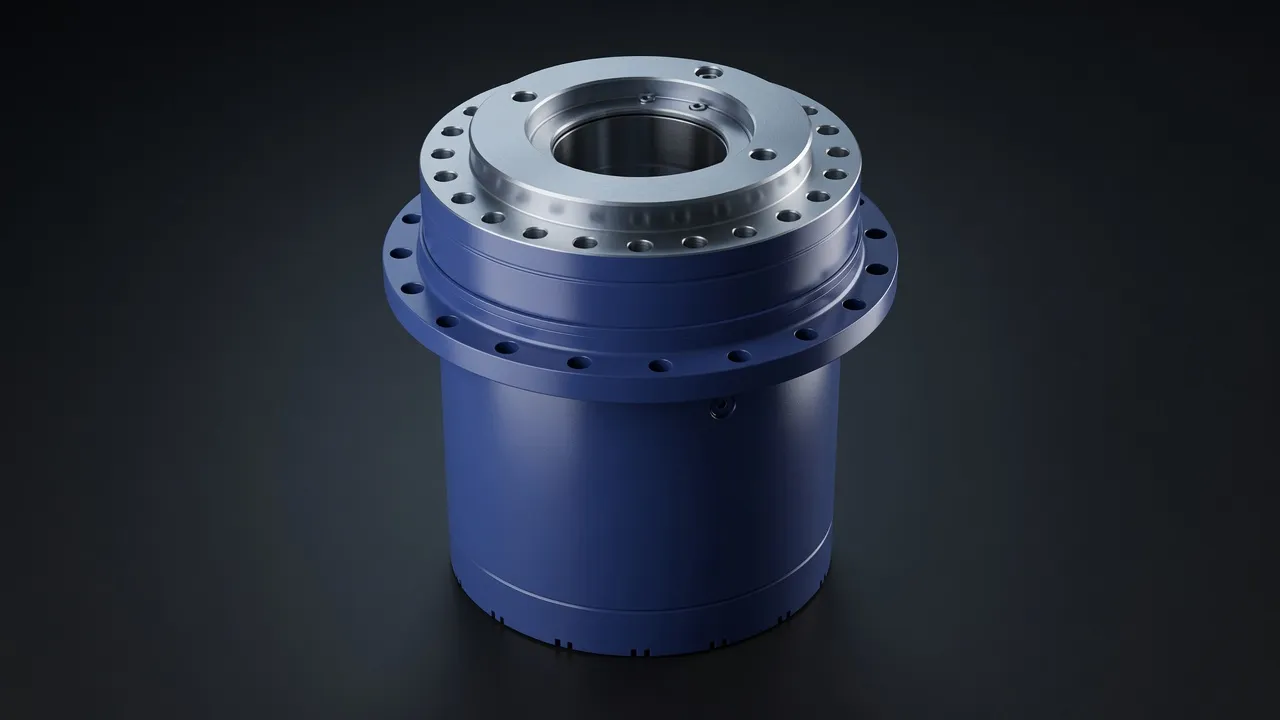
Electric counterbalance forklifts use either a single rear drive wheel on reach trucks or dual drive wheels at the rear axle on counterbalance forklifts. Each driven wheel hub contains a compact planetary reducer between the electric motor and the solid rubber or pneumatic tyre. The planetary gearbox coaxial arrangement allows the motor to be integrated within the wheel envelope, producing a compact drive unit with no external shafting or U-joints. The electric motor stator is fixed to the vehicle frame; the motor rotor and planetary sun gear rotate together; the planet carrier connects to the wheel rim through the hub. The ring gear is fixed to the motor stator housing.
| Forklift Class | Rated Capacity | Drive Motor | Wheel Torque | Wheel Speed max | Gearbox Ratio |
|---|---|---|---|---|---|
| Reach truck 1.5 t | 1 500 kg | 5 kW AC | 3 500 N¡¤m | 12 km/h | 1:30 |
| Counterbalance 2 t | 2 000 kg | 7.5 kW AC | 5 000 N¡¤m | 16 km/h | 1:35 |
| Counterbalance 3.5 t | 3 500 kg | 11 kW AC | 8 000 N¡¤m | 18 km/h | 1:40 |
| Counterbalance 5 t | 5 000 kg | 15 kW AC | 12 000 N¡¤m | 18 km/h | 1:45 |
| Heavy duty 8 t | 8 000 kg | 22 kW AC | 18 000 N¡¤m | 14 km/h | 1:50 |
Wheel torque = motor peak torque ¡Á ratio ¡Á efficiency. Ratio is approximate; varies by manufacturer.
Regenerative Braking and Bidirectional Drive
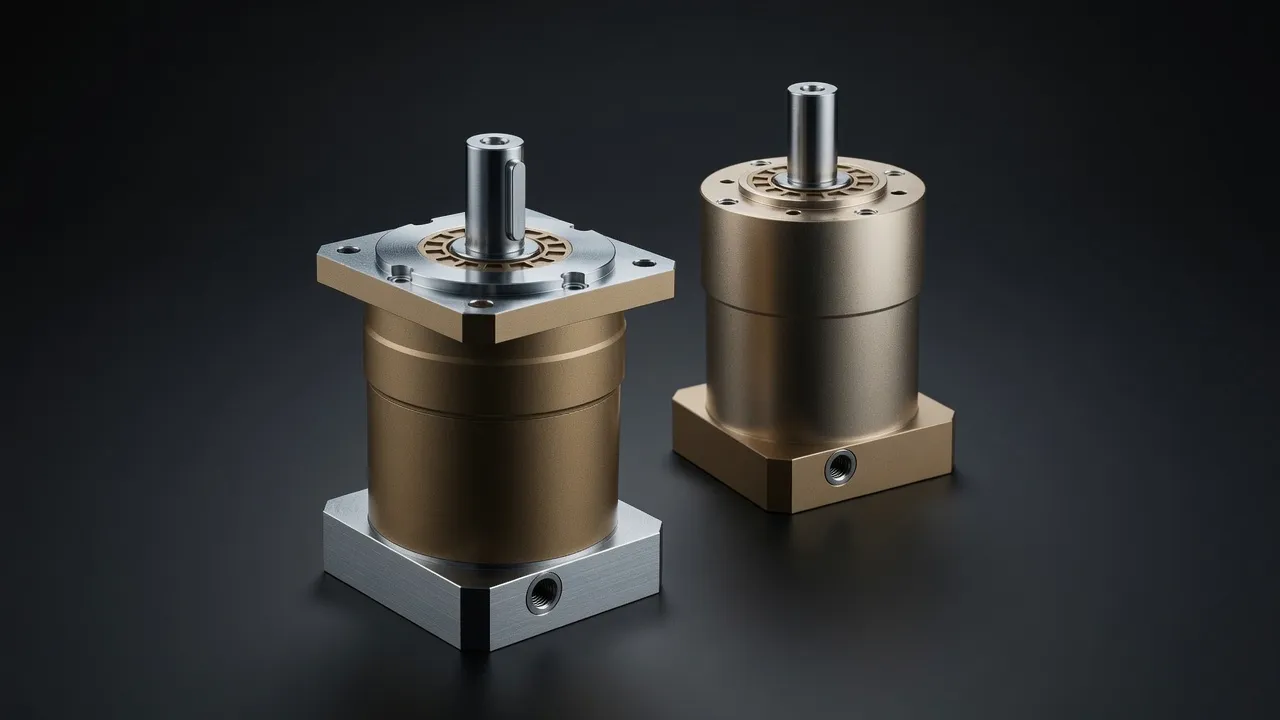
Modern electric forklifts use regenerative braking ¡ª decelerating by switching the traction motor to generator mode, recovering energy to the battery while slowing the vehicle. The planetary gearbox must transmit this regenerative torque in the back-drive direction efficiently. High efficiency above 95% in back-drive mode maximises the regenerative energy recovery and extends battery life between charges. The gearbox must also handle the repeated direction reversals of manoeuvring ¡ª a forklift positions a pallet with multiple forward-reverse movements, each involving a torque direction reversal through the planetary gear mesh. The EPG one-stage precision planetary series achieves 97% forward and back-drive efficiency in a compact hub configuration. The EPF economy flange output series provides a cost-effective alternative for higher-volume electric forklift production where cost targets drive specification below the premium precision tier.
Floor Contamination and Seal Durability
Warehouse floors carry pallet wrap fragments, cardboard strips, oil drips, and the occasional spilled product from damaged packing. These contaminants accumulate around the forklift wheel hubs and challenge the gearbox seal system. The wheel hub seal must prevent this contamination from entering the gearbox while allowing the wheel to spin freely. Lip seals at the wheel-to-hub interface provide the primary exclusion; a labyrinth seal as the outer barrier prevents bulk debris from reaching the lip seal contact zone. For cold store forklift operations where ice and condensation are the primary contamination risks, Viton lip seals with a wider operating temperature range than standard NBR seals are specified.
Battery Life and Drive Efficiency
A forklift that runs out of battery mid-shift disrupts warehouse operations and requires an unplanned battery swap. The traction gearbox efficiency directly affects battery life: every percentage point of gearbox efficiency recovered translates to additional operation before charging is needed. At 10 kW continuous drive power, a 97% efficient gearbox loses 300 W versus 500 W at 95% ¡ª saving 1.0 kWh over an 8-hour shift at 60% duty cycle, which represents 4% to 8% of a typical 24 kWh forklift battery. This extends the shift by 15 to 30 minutes before charging. For comparable sealed industrial drives in materials handling applications, the SRV086 worm gearbox for forklifts illustrates the design considerations applied to alternative gear architectures in forklift drive applications.
Frequently Asked Questions
Speak with a Planetary Drive Specialist
Share your torque requirement, ratio, and application environment ¡ª our team at Condell Park NSW returns a sized recommendation and stock check within one business day. No obligation.