
Marine cranes on Australian port service vessels, offshore supply ships, and port wharf cranes face environmental demands that test every aspect of a planetary gearbox design ¡ª salt spray from breaking waves, humidity above 90% throughout the operating year, cyclonic wind loads on the boom during severe weather in the Timor Sea or Coral Sea, and the requirement to lift and land loads precisely on the deck of a vessel that is pitching and rolling in a 3-metre swell. The planetary gearboxes on the hoist, luffing, and slew drives of a marine crane must deliver all the torque required by these demanding load cases while surviving decades of exposure to the most corrosive industrial environment on earth: the marine atmosphere.
Marine Crane Drive Architecture
A medium marine crane rated at 30 to 100 tonnes safe working load has three main drives: the hoist drive lifting and lowering the load, the luffing drive raising and lowering the boom to vary the working radius, and the slew drive rotating the entire crane superstructure through 360 degrees. Each drive uses a planetary gearbox ¡ª typically multi-stage to achieve the required ratio ¡ª with the gearbox rated to the highest mechanism class applicable to the crane duty cycle. Offshore crane duty at FEM M7 to M8 is standard for cranes on FPSO vessels and platform supply ships operating continuously in Bass Strait and the North West Shelf.
| Crane Type | SWL | Hoist Speed | Mechanism Class | Hoist Gearbox Torque | Slew Torque |
|---|---|---|---|---|---|
| Port service vessel crane | 5 t | 30 m/min | M5¨CM6 | 80 000 N¡¤m | 40 000 N¡¤m |
| Offshore supply vessel | 30 t | 15 m/min | M6¨CM7 | 350 000 N¡¤m | 120 000 N¡¤m |
| Platform service crane | 50 t | 10 m/min | M7 | 600 000 N¡¤m | 200 000 N¡¤m |
| FPSO crane | 100 t | 8 m/min | M7¨CM8 | 1 200 000 N¡¤m | 400 000 N¡¤m |
| Port wharf crane | 40 t | 20 m/min | M6 | 500 000 N¡¤m | 180 000 N¡¤m |
Mechanism class per FEM 1.001. SWL = safe working load at rated radius.
Marine Atmosphere Corrosion Protection
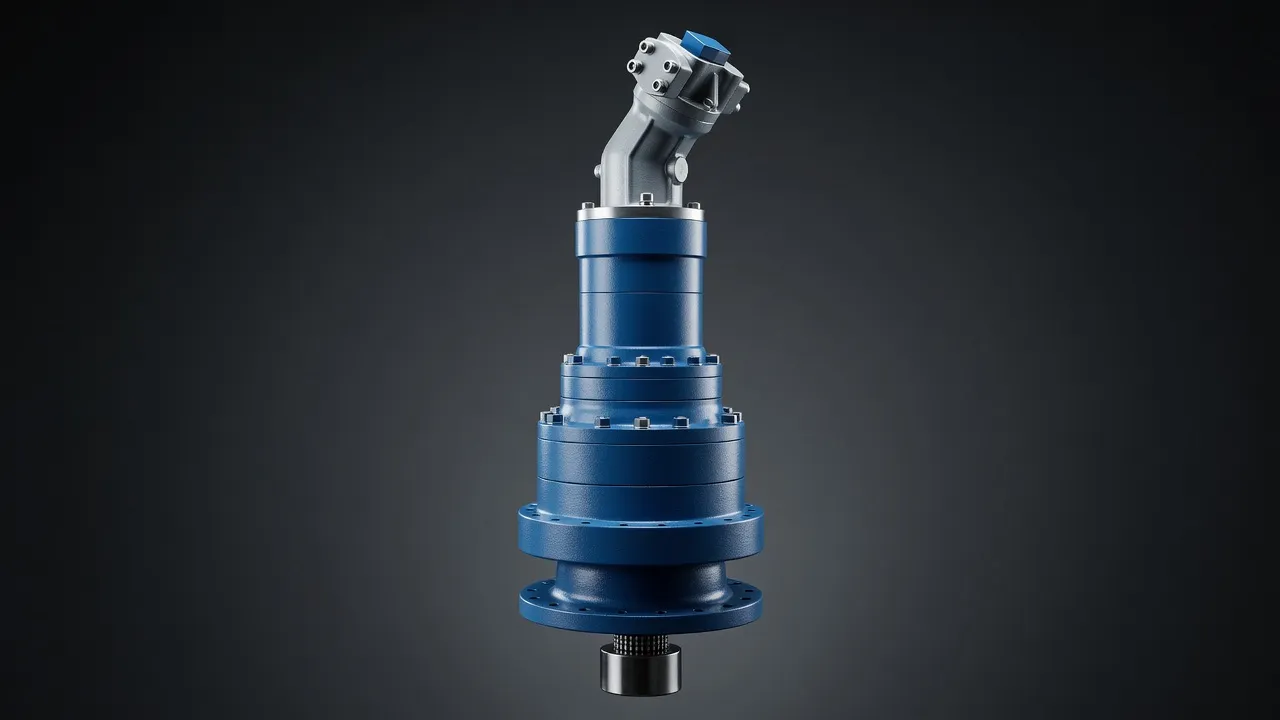
A crane on an offshore platform in the Timor Sea experiences salt spray from wave splash, humid air saturated with sodium chloride, and occasional immersion of the crane pedestal in green water during heavy weather. The corrosion rate of unprotected steel in this environment is 0.1 to 0.3 mm per year. The standard corrosion protection for offshore crane planetary gearboxes includes: C5-M rated two-pack epoxy primer plus polyurethane topcoat at minimum 250 micrometres total DFT, A4-70 stainless steel external fasteners, Viton shaft seals, sealed desiccant breather, and annual external inspection with spot touch-up of any coating damage. The EPX heavy planetary series with offshore-specification external coating and IP66 sealing provides the basis for marine crane hoist drive applications from port service vessels to offshore supply ships.
Dynamic Load Effects in Marine Crane Operation
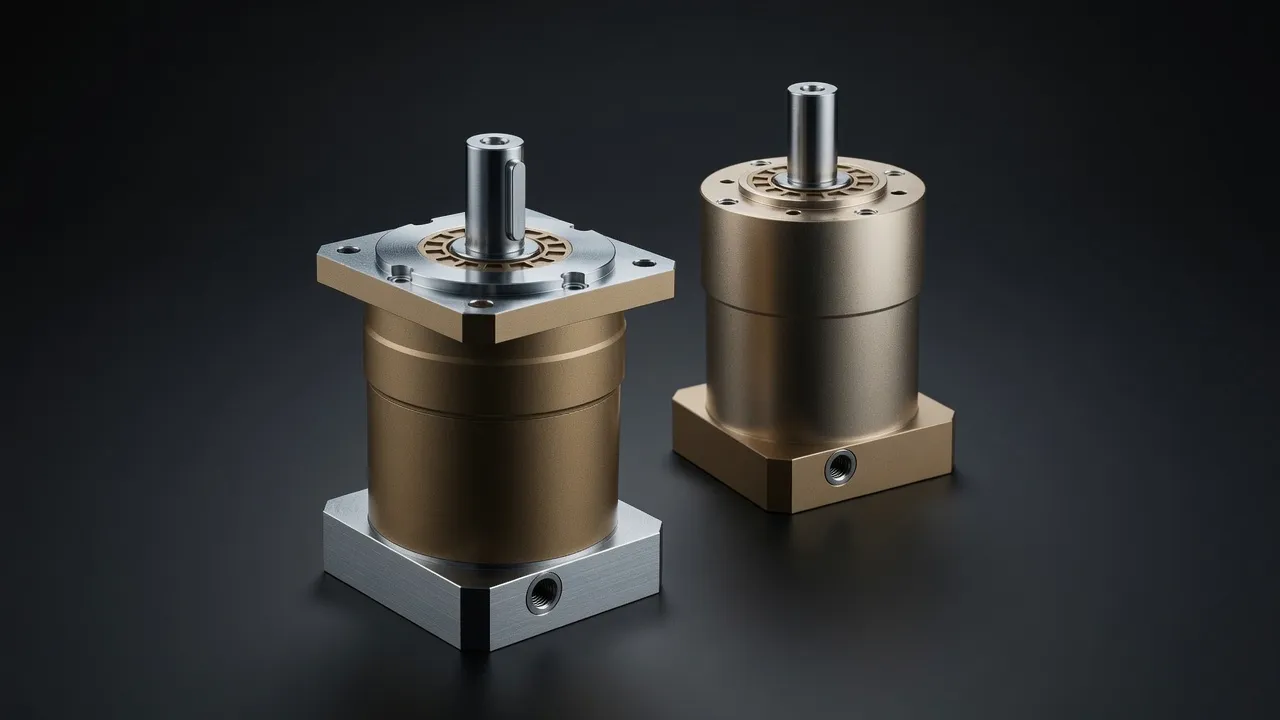
Lifting a load from the deck of a vessel in a rolling sea is one of the most dynamic load events in crane operation. At the moment the load lifts clear of the deck, the suspended load system transitions from static to dynamic, potentially generating a snap load that can be 2 to 4 times the static load weight if the lift timing is poor. The crane hoist gearbox must withstand this snap load within its shock-rated torque capacity. DNVGL-ST-0378 specifies the dynamic amplification factors that must be applied to the static hook load for gear tooth design, typically 1.2 to 1.8 depending on sea state and lift configuration. The EPB high-precision torque planetary provides the tooth root safety factors specified by DNVGL-ST-0378 for offshore crane hoist drives operating in moderate sea states. For comparable heavy-duty industrial lifting applications with similar dynamic load considerations, the RR528 heavy-duty worm gearbox illustrates the housing and gear design principles applied to comparable high-cycle heavy industrial lifting applications.
Frequently Asked Questions
Speak with a Planetary Drive Specialist
Share your torque requirement, ratio, and application environment ¡ª our team at Condell Park NSW returns a sized recommendation and stock check within one business day. No obligation.