
Offshore drilling rigs operating in Australian waters ¡ª jack-up rigs drilling exploration wells in the Timor Sea, semi-submersible rigs on the North West Shelf, and drillships investigating deepwater prospects off Western Australia ¡ª use planetary gearboxes across their most critical machinery systems: the drawworks that raises and lowers the drill string, the rotary table that turns the drill string, the top drive that rotates the drill bit, the pipe racker that handles 30-metre drill pipe joints, and the anchor winches and mooring systems that hold the rig on location during operations. These are the applications where planetary gearing must perform reliably in the most demanding combination of high torque, extreme environment, high cycle rate, and safety criticality that exists in any offshore industrial setting.
Drawworks: The Largest Crane on the Rig
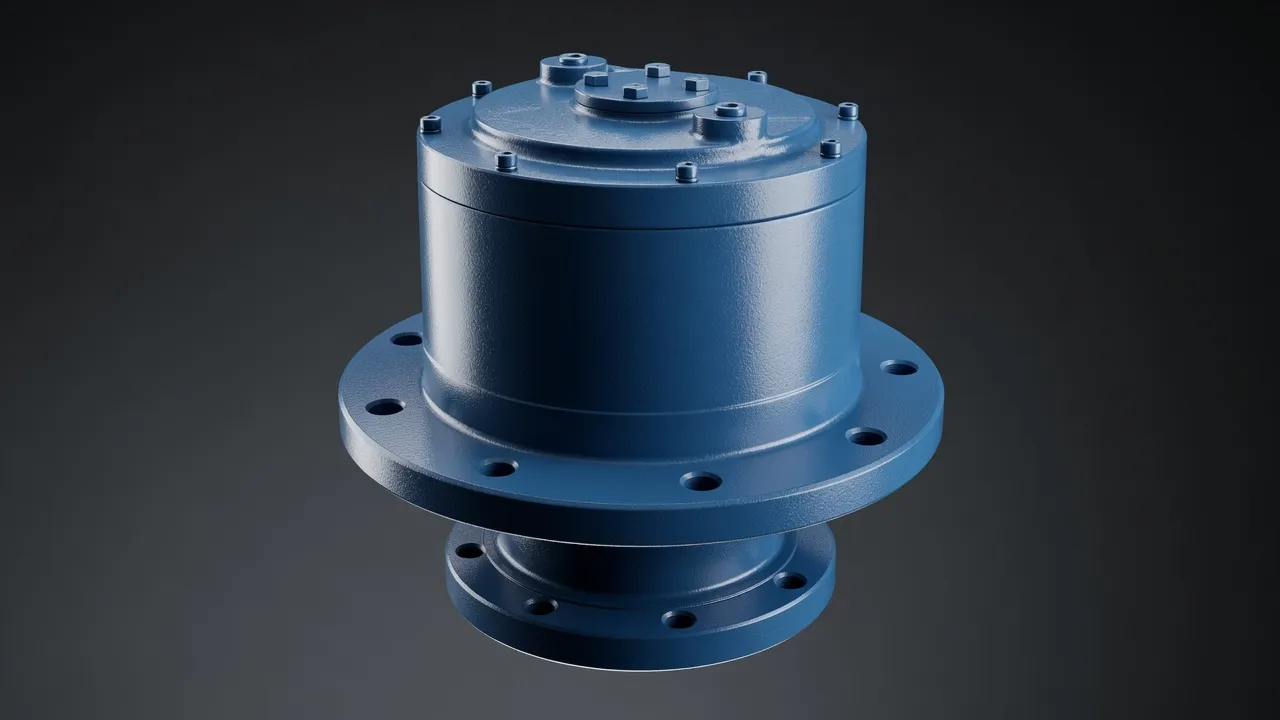
The drawworks is a large drum winch that hoists the travelling block ¡ª the moveable sheave assembly from which the drill string is suspended. A 5 000 m drill string of 127 mm drill pipe weighs approximately 2 500 kN in air, reduced to approximately 1 500 kN net weight in the drilling mud. The drawworks must hoist this load at a maximum hook speed of 1 to 3 m/s during tripping operations, and control the string lowering speed precisely to prevent the bit from slamming into the bottom when the string is lowered. The multi-stage planetary gearbox in the drawworks provides the variable-speed high-torque output needed for this operation from diesel-electric or AC-electric drive systems.
| Rig Class | Hook Load Capacity | Drawworks Power | Max Hoisting Speed | Gearbox Output Torque | Ratio |
|---|---|---|---|---|---|
| Jack-up shallow | 2 000 kN | 2 000 kW | 2 m/s | 800 000 N¡¤m | 1:40¨C1:60 |
| Jack-up medium | 4 000 kN | 3 500 kW | 1.5 m/s | 1 400 000 N¡¤m | 1:50¨C1:80 |
| Semi-sub deep | 6 700 kN | 5 000 kW | 1.5 m/s | 2 000 000 N¡¤m | 1:60¨C1:100 |
| Drillship ultra-deep | 10 000 kN | 7 500 kW | 1 m/s | 3 000 000 N¡¤m | Custom multi-stage |
| Land rig comparison | 3 000 kN | 3 000 kW | 2 m/s | 1 200 000 N¡¤m | 1:50¨C1:80 |
Output torque at drum shaft. Hook speed calculated from drum peripheral speed and block line count.
Top Drive and Rotary Table Planetary Gearboxes
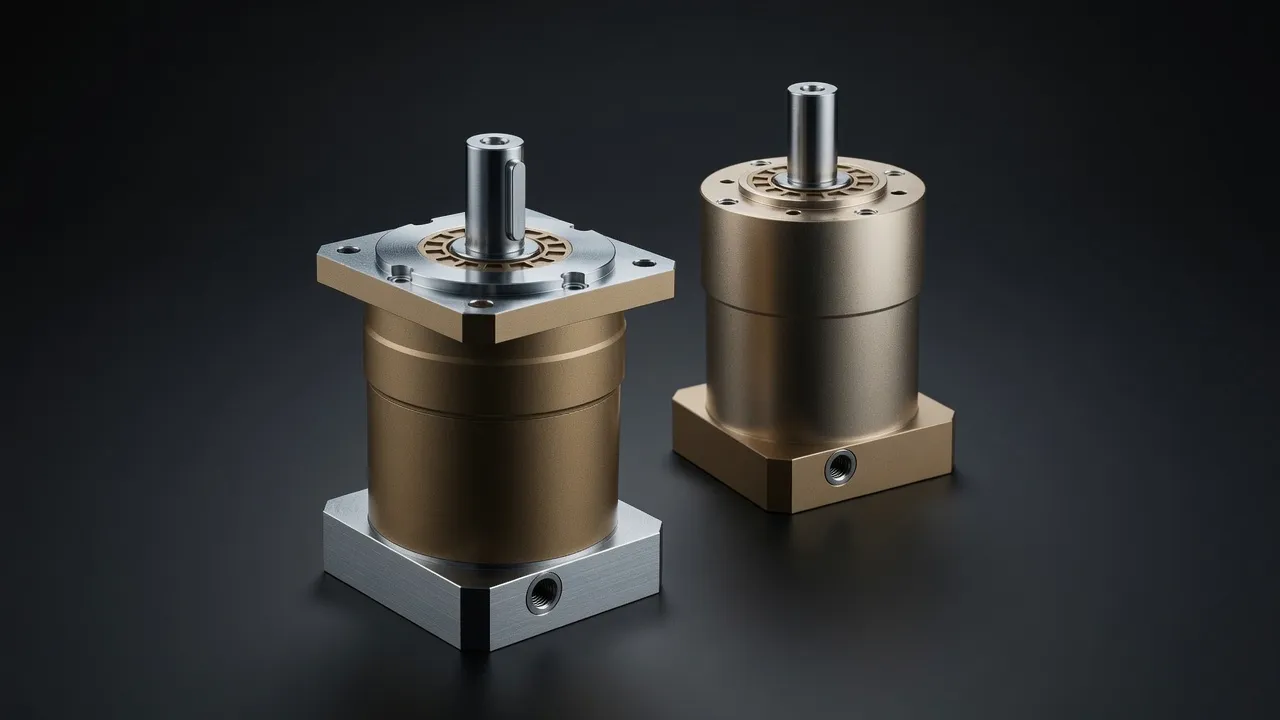
The top drive is an electric motor and planetary gearbox combination that replaces the kelly drive and rotary table as the primary drill string rotation mechanism on modern offshore rigs. It travels up and down the derrick on a rail system as the drill string is advanced, rotating the drill string continuously during drilling. The gearbox must provide 20 000 to 60 000 N¡¤m of output torque at 0 to 300 rpm while the whole drive assembly hangs freely in the derrick ¡ª requiring a compact, lightweight housing that contributes as little as possible to the suspended load on the travelling block and drawworks. The EPX heavy planetary series in a multi-stage configuration demonstrates the gear material, heat treatment, and housing integrity required for top drive applications in an industrial planetary format.
Extreme Environment: Tropical Seas and Cyclone Exposure
Offshore rigs operating in the Timor Sea, Coral Sea, and Browse Basin encounter Category 4 and 5 tropical cyclones. When a cyclone is forecast, rigs either move off location or weather-vane in safe mode with the derrick lowered. All exposed gearboxes ¡ª drawworks, pipe rackers, mooring winches ¡ª are subjected to horizontal wave forces, wind-driven sea spray at 50 m/s or more, and condensation cycling as temperature drops during the cyclone passage. Any gearbox with inadequate sealing will ingest seawater during this event and suffer accelerated corrosion of gears and bearings. The EPB high-precision torque planetary with offshore-specification Viton sealing, sealed nitrogen pressurised housing, and C5-M rated epoxy coating withstands this extreme exposure. For comparable offshore sealing standards in drive applications on permanent offshore structures, the HSRV stainless steel worm gearbox illustrates the material and sealing approaches applied to permanently installed offshore machinery.
Pipe Racker and Iron Roughneck Planetary Drives
Modern offshore rigs use automated pipe handling systems ¡ª pipe rackers, iron roughnecks, and mousehole elevators ¡ª to reduce the number of rig floor personnel exposed to the mechanical hazards of drill pipe handling. Each of these automated systems uses servo motors and precision planetary gearboxes to position the pipe handling arms and spinning wrenches with sub-centimetre accuracy. The iron roughneck, which makes up and breaks out threaded drill pipe connections, uses a planetary-geared spinning head that rotates at 60 to 100 rpm with 3 000 to 8 000 N¡¤m of make-up torque to spin the pipe joint. Positioning accuracy of the jaw closing mechanism must be within plus or minus 2 mm to engage the drill pipe connection without damaging the threads.
Frequently Asked Questions
Speak with a Planetary Drive Specialist
Share your torque requirement, ratio, and application environment ¡ª our team at Condell Park NSW returns a sized recommendation and stock check within one business day. No obligation.