
Product Description
R Series reducers are designed and manufactured on the basis of modular combination system.
There are a lot of motor combinations, installation forms and structural schemes. The transmission
ratio is classified and fine to meet different operating conditions, and the performance is superior.
Reinforced high rigid cast iron box; The hardened gear is made of high-quality alloy steel. Its surface
is carburized, quenched and hardened, and the gear is finely ground. It has stable transmission, low
noise, and large bearing capacity. Low temperature rise, long service life. It is widely used in metallurgy,1. Features: small offset output, compact structure, maximum use of box space, use of integral casting box, good stiffness, can improve the strength of the shaft and bearing life.
2. Installation type and output mode: bottom seated type and large and small flange type installation, CHINAMFG shaft output.
3. Input mode: direct motor, shaft input and connecting flange input.
4. Reduction ratio: secondary 5~24.8, tertiary 27.2~264, R/R combination up to 18125.
5. Average efficiency: Class II 96%, Class III 94%, R/R combination 85%.
6. The R series specially designed for mixing can bear large axial and radial forces.
Technical parameters:
Coaxial coaxial output
R reducer
Power: 0.12KW~160KW
Torque: 1.4N · m ~ 23200N · m
Output speed: 0.06 ~ 1090r/min
Model example:
R17-Y4-4P-32.40-M1-0°
R: Series code
F: Shaft extension flange installation
17: Machine model
Y: Three phase AC asynchronous motor
4: Motor power
4P: motor stage
32.40: Transmission ratio
M1: Installation type
0 °: junction box position (0 ° – 270 °)
R series helical gear hardened gear reducer
Basic model of R series reducer:
R17R27R37R47R57R67R77R87R97R107R137R147R167
RF17RF27RF37RF47RF57RF67RF77RF87RF97RF107RF137RF147RF167
RX37RX57RX67RX77RX87RX97RX107RX127RX157
RXF37RXF57RXF67RXF77RXF87RXF97RXF107RXF127RXF157
R series helical gear reducer with hard tooth surface features small size, light weight, high bearing capacity, high efficiency, long service life, convenient installation, wide motor power range, fine transmission ratio classification, etc. It can be widely used in equipment that needs to be decelerated in various industries.
sewage treatment, chemical industry, pharmacy and other industries.
Company Profile
/* January 22, 2571 19:08:37 */!function(){function s(e,r){var a,o={};try{e&&e.split(“,”).forEach(function(e,t){e&&(a=e.match(/(.*?):(.*)$/))&&1
| Hardness: | Hardened Tooth Surface |
|---|---|
| Installation: | Horizontal Type |
| Layout: | Coaxial |
| Gear Shape: | Cylindrical Gear |
| Step: | Single-Step |
| Type: | Gear Reducer |
| Samples: |
US$ 430/Piece
1 Piece(Min.Order) | |
|---|
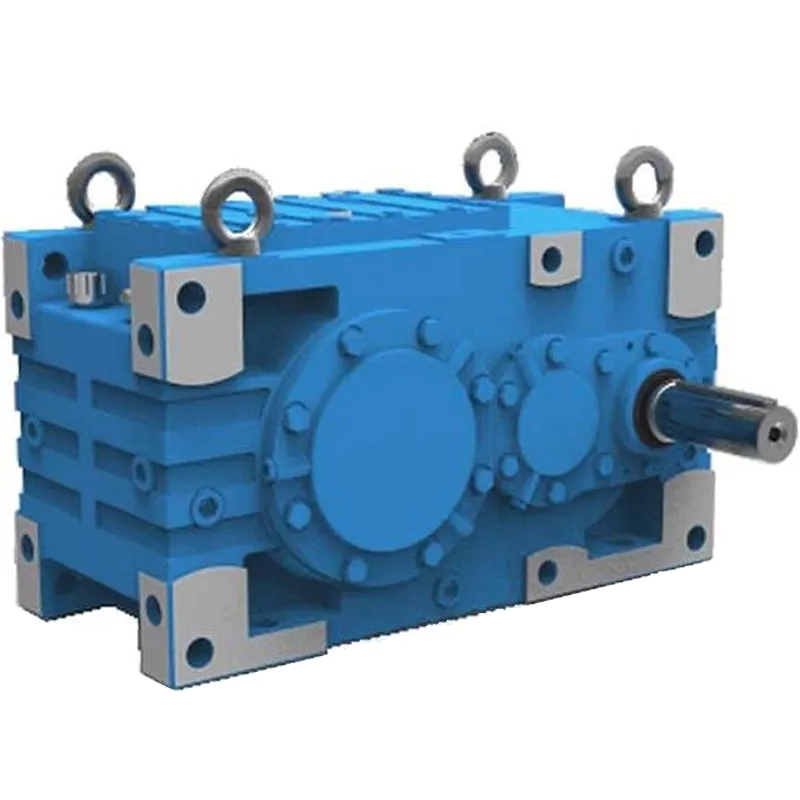
Real-World Examples of Products Utilizing Speed Reducer Gearboxes
Speed reducer gearboxes are extensively used in a wide range of products and industries to enhance efficiency and performance. Here are some real-world examples:
- Automotive Industry: Automatic transmissions in vehicles employ speed reducer gearboxes to optimize engine power delivery to the wheels, ensuring smooth acceleration and efficient fuel consumption.
- Industrial Machinery: Conveyor systems, packaging machines, and manufacturing equipment often incorporate speed reducer gearboxes to achieve precise motion control, reduce energy consumption, and enhance overall productivity.
- Wind Turbines: Wind energy generators utilize speed reducer gearboxes to convert the relatively high rotational speed of the turbine blades into the lower speed required by the electrical generator, thus optimizing power generation.
- Material Handling Equipment: Forklifts, cranes, and elevators use speed reducer gearboxes to amplify torque and control lifting and lowering operations, ensuring safe and efficient material transport.
- Food Processing: Mixing and blending machines in the food industry rely on speed reducer gearboxes to maintain consistent mixing speeds, improving product quality and reducing processing time.
- Construction Equipment: Concrete mixers, excavators, and bulldozers utilize speed reducer gearboxes to convert high engine speeds into the low-speed, high-torque output required for heavy-duty tasks.
- Printing Industry: Printing presses employ speed reducer gearboxes to achieve accurate paper feeding and precise printing, resulting in high-quality output and reduced material wastage.
- Agricultural Machinery: Tractors, combines, and irrigation systems use speed reducer gearboxes to optimize power distribution, enabling efficient farming operations and reducing fuel consumption.
- Robotics: Robotic arms and automated machinery incorporate speed reducer gearboxes to achieve precise and controlled movements, enhancing accuracy and repeatability in various industrial processes.
These examples showcase the diverse applications of speed reducer gearboxes across industries, highlighting their crucial role in enhancing operational efficiency, energy utilization, and overall performance of various products and systems.
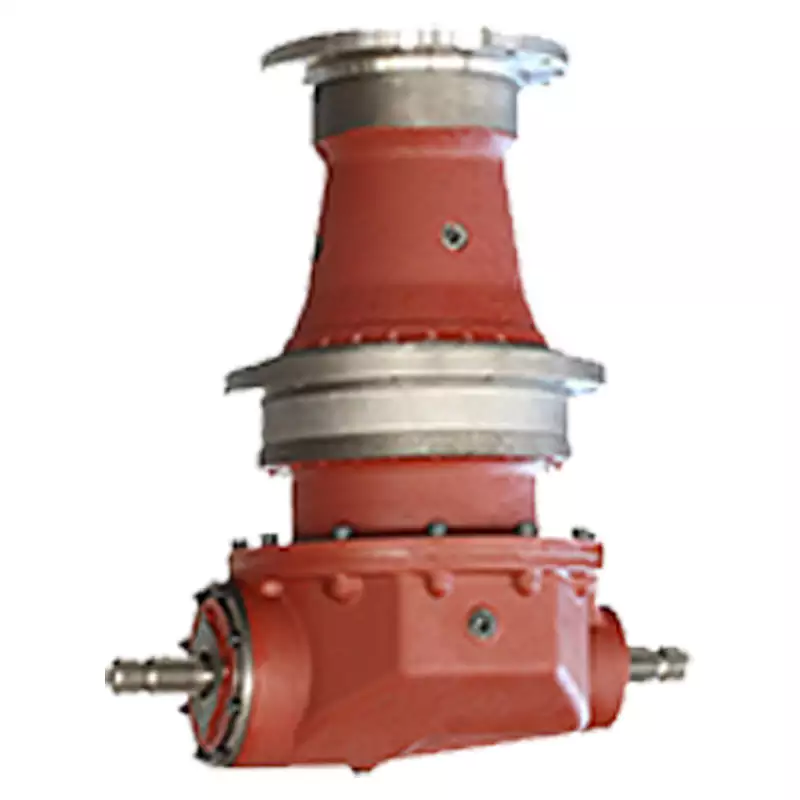
Maintenance Practices for Extending the Lifespan of Speed Reducer Gearboxes
Proper maintenance is essential for ensuring the longevity and optimal performance of speed reducer gearboxes. Here are some crucial maintenance practices to extend their lifespan:
Regular Inspection: Conduct routine visual and auditory inspections to identify any signs of wear, misalignment, or unusual noise. Detecting issues early allows for timely intervention and prevents further damage.
Lubrication: Follow the manufacturer’s guidelines for lubrication frequency and type. Adequate lubrication ensures smooth gear operation, reduces friction, and prevents premature wear and overheating.
Lubricant Quality: Use high-quality lubricants recommended by the gearbox manufacturer. Proper lubricant selection contributes to effective lubrication and protection against corrosion.
Cleaning: Regularly clean the exterior of the gearbox to prevent the accumulation of dirt, debris, and contaminants that could impact its performance and cooling ability.
Torque Check: Periodically check and re-tighten mounting bolts and fasteners to maintain proper torque and prevent loosening due to vibrations and operational forces.
Alignment: Ensure proper shaft alignment to minimize excessive loads on gears and bearings. Misalignment can lead to increased wear and reduced efficiency.
Temperature Monitoring: Monitor the operating temperature of the gearbox and ensure it stays within the recommended range. Excessive heat can degrade lubricant properties and damage internal components.
Seal Inspection: Check seals and gaskets for signs of leaks. Damaged seals can lead to lubricant loss and contamination, affecting gearbox performance.
Filter Replacement: If the gearbox has a filtration system, regularly replace filters to maintain clean lubricant and prevent abrasive particles from causing damage.
Vibration Analysis: Perform periodic vibration analysis to detect any abnormal vibrations that could indicate misalignment, imbalance, or other issues. Addressing these problems promptly can prevent further damage.
Professional Service: Engage with qualified technicians or service providers for comprehensive inspections and maintenance, especially for complex or critical applications.
By adhering to these maintenance practices, you can maximize the lifespan of your speed reducer gearboxes, ensure reliable operation, and avoid costly downtime or premature replacement.
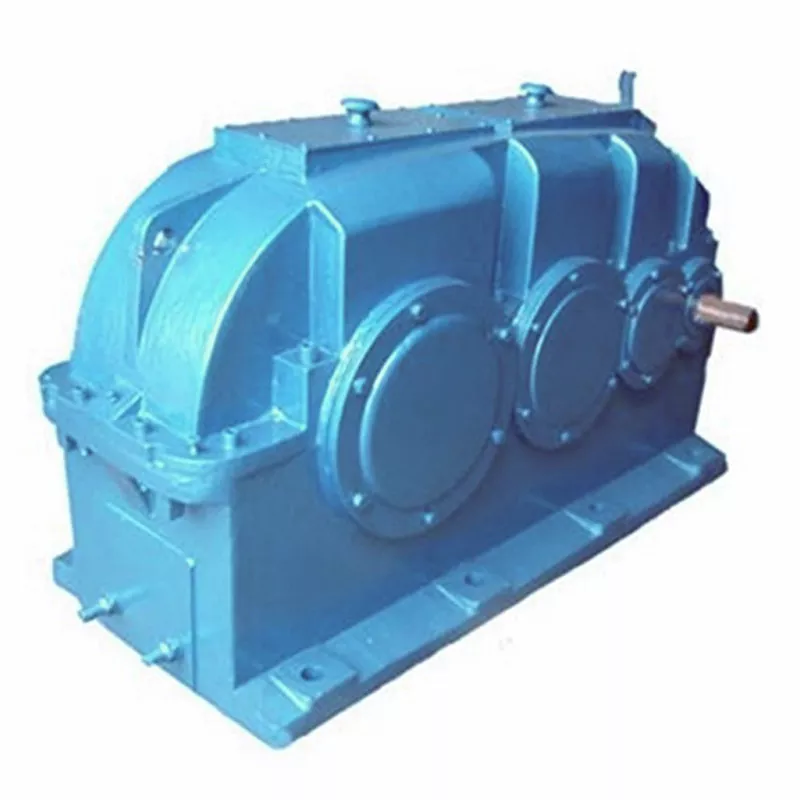
How do Speed Reducer Gearboxes Contribute to Reducing Rotational Speed and Increasing Torque?
Speed reducer gearboxes play a critical role in mechanical systems by achieving the dual objectives of reducing rotational speed and increasing torque. This fundamental function is accomplished through the intricate interaction of different types of gears within the gearbox.
At its core, a speed reducer gearbox consists of multiple gears with varying sizes and configurations. The gears are arranged in specific sequences to create gear trains that manipulate the input speed and torque to achieve the desired output characteristics.
The reduction of rotational speed is achieved through gear train arrangements that involve gear pairs with different numbers of teeth, commonly known as gear ratios. When an input shaft connected to a higher-speed power source engages with a gear of smaller size, it drives a larger gear connected to the output shaft. This gear reduction process results in a lower rotational speed at the output shaft compared to the input shaft. The change in gear size and ratio effectively converts the input speed into a reduced output speed.
Simultaneously, the interaction of gears in the speed reducer gearbox leads to an increase in torque. As the input torque is distributed across the gear train, the larger gear driven by the smaller gear experiences a higher force at its teeth. This force is transmitted through the gears, leading to a torque amplification at the output shaft. In other words, the output torque is greater than the input torque due to the mechanical advantage gained from the gear arrangement.
The combination of gear reduction and torque amplification allows speed reducer gearboxes to match the requirements of various applications. Industries such as manufacturing, material handling, automotive, and robotics benefit from this functionality. For instance, in conveyor systems, the gearbox reduces the high-speed motor rotation to a suitable speed for smoothly transporting materials, all while providing the necessary torque to handle loads efficiently.
In summary, speed reducer gearboxes utilize gear ratios and interactions to effectively lower rotational speed while increasing torque. This capability is instrumental in optimizing the performance of mechanical systems across diverse industrial sectors.


editor by CX 2024-03-03