
Product Description
Product Description
Helical Gear Motor Box PAB 42mm Speed Reducer High Speed Small Planetary Gearbox
3F PAB series high precision planetary gearbox adopts the integrated design of planet carrier and output shaft to ensure the maximum torque stiffness and stability. Several backlash types can be chosen depends on customers’ needs: Micro precision backlash (P0), precision backlash (P1) and standard backlash (P2) are available. Thanks to the high cost performance of 3F PAB series planetary gearbox, it is widely used in motion control industries for servo application. 3F PAB precision gearboxes are featured with high torque and the input diameter D4 can be up to φ255mm, which can greatly meet the customer needs. Single-stage planetary gearboxes and two-stage gearboxes are available:
.One-stage ratio : 3, 4, 5, 6, 7, 8, 9, 10
.Two-stage ratio: 12, 15, 20, 25, 30, 35, 40, 50, 60, 70, 80, 90, 100
.Note: Three-stage technical data are not available in 3F catalogue. If needed, please contact our salesmen.
Overview of PAB Planetary Reducer
* The minimum backlash can reach to 0-3 arcmin.
* With the advantages of high High torque and high strength.
* It can be applied for any servo motors and stepper motor.
* The positioning time of starting and stoppingis shorter.
* High rigidity and high motor rotor inertia.
* Due to the miniaturization of motor power, it can achieve the stability of inertia load and small vibration.
Product Parameters
| Product type | PLS60 | PLS90 | PLS115 | PLS142 | Reduction rqatio | Number of stage | |
|
Rated output torque |
N.M | 30 | 75 | 150 | 400 | 3 | 1 |
| 40 | 100 | 200 | 560 | 4 | |||
| 50 | 110 | 210 | 700 | 5 | |||
| 37 | 62 | 148 | 450 | 8 | |||
| 27 | 45 | 125 | 305 | 10 | |||
| 77 | 120 | 260 | 910 | 12 | 2 | ||
| 68 | 110 | 210 | 780 | 15 | |||
| 77 | 120 | 260 | 910 | 16 | |||
| 77 | 110 | 260 | 910 | 20 | |||
| 68 | 110 | 210 | 780 | 25 | |||
| 77 | 120 | 260 | 910 | 32 | |||
| 68 | 110 | 210 | 780 | 40 | |||
| 37 | 62 | 148 | 450 | 64 | |||
| 27 | 45 | 125 | 305 | 100 | |||
| Life | Hour | 30,000 | |||||
| Instant stop torque | N.M | Two times of rated output torque | |||||
| Product type | PLS60 | PLS90 | PLS115 | PLS142 | Number of stage | ||
| max radial torque | 3000 | 3900 | 4300 | 8200 | N | ||
| max axial torque | 6000 | 9000 | 12000 | 19000 | N | ||
| Fullload efficiency | 98 | % | 1 | ||||
| 95 | 2 | ||||||
| weight | 3.0 | 4.3 | 9.0 | 15.4 | kg | 1 | |
| 3.8 | 5.7 | 11.6 | 18.5 | 2 | |||
| operating temperature | -25ºC~+90ºC | ºC | |||||
| IP | lp65 | ||||||
| Lubirication type | Lifetime lubrication | ||||||
| Mounting type | Any | ||||||
| The max radial and axial torque work in the location of the center of output shaft when the out speed is 100RPM. | |||||||
Detailed Photos
Application
Company Profile
Certifications
Packaging & Shipping
/* January 22, 2571 19:08:37 */!function(){function s(e,r){var a,o={};try{e&&e.split(“,”).forEach(function(e,t){e&&(a=e.match(/(.*?):(.*)$/))&&1
| Hardness: | Hardened Tooth Surface |
|---|---|
| Installation: | Vertical Type |
| Layout: | Coaxial |
| Gear Shape: | Planetary |
| Step: | Single-Step |
| Type: | Gear Reducer |
| Samples: |
US$ 100/Piece
1 Piece(Min.Order) | |
|---|
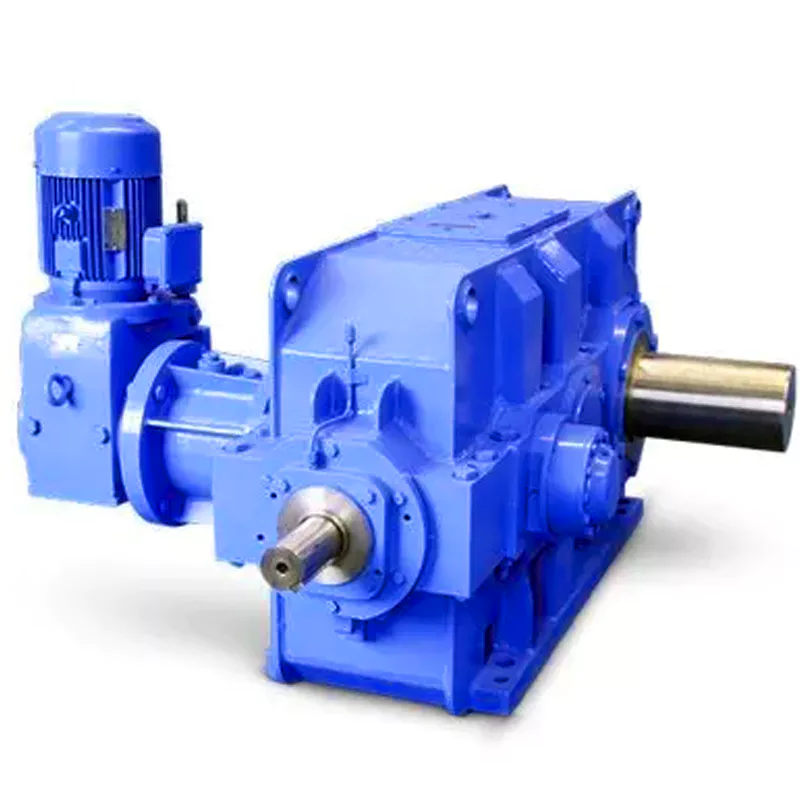
Contribution of Speed Reducer Gearboxes to Energy Efficiency in Machinery
Speed reducer gearboxes play a significant role in enhancing energy efficiency across various industrial applications. Their contributions are as follows:
- Optimized Power Transmission: Speed reducer gearboxes efficiently transfer power from input to output shafts, ensuring minimal energy loss during transmission. By reducing unnecessary friction and minimizing internal losses, these gearboxes maximize power delivery to the intended machinery.
- Torque Amplification: Speed reducers increase torque while reducing rotational speed. This allows larger loads to be moved with less power input, resulting in improved efficiency and reduced energy consumption.
- Variable Speed Control: Some speed reducer gearboxes offer adjustable speed settings, enabling machinery to operate at the most energy-efficient speed for a given task. This feature is especially beneficial in applications with varying load requirements.
- Optimized Motion Profiles: Speed reducer gearboxes help achieve smoother and controlled motion in machinery. By minimizing jerky movements and vibrations, energy waste due to sudden accelerations and decelerations is reduced.
- Reduced Heat Generation: Efficient speed reduction leads to lower heat generation within gearboxes, resulting in decreased energy loss due to heat dissipation. This is particularly important in applications that involve continuous operation.
- Mechanical Advantage: Speed reducers provide mechanical advantage, allowing equipment to perform tasks more easily and efficiently. This can lead to decreased wear and tear on machinery components and, consequently, reduced energy consumption.
Overall, speed reducer gearboxes contribute to energy efficiency by optimizing power transmission, reducing losses, enhancing torque delivery, and enabling precise control over machinery speed and motion. Their inclusion in various industrial setups helps lower energy consumption, operational costs, and environmental impact.
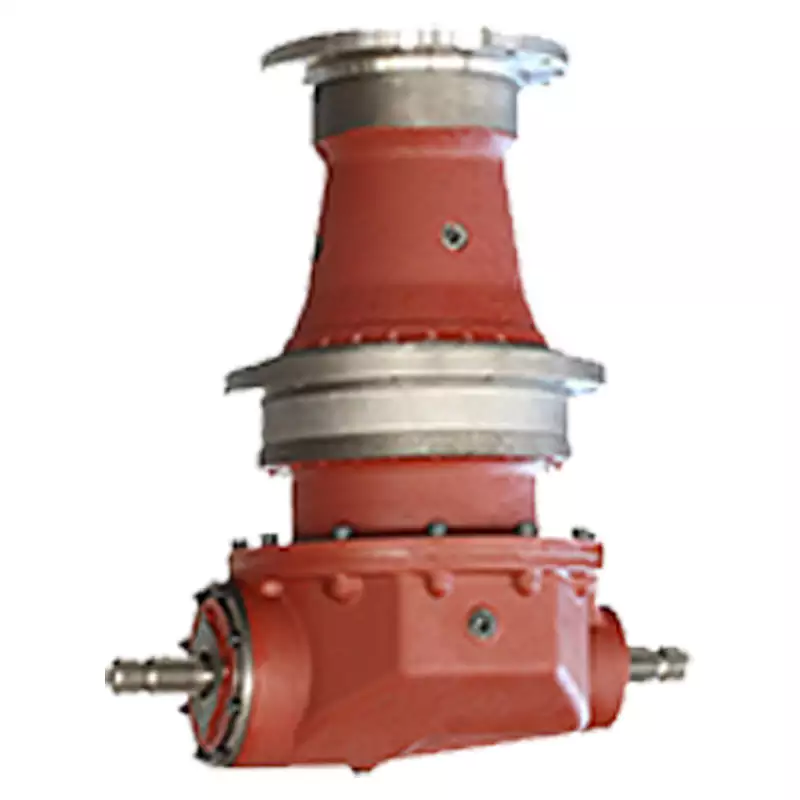
Maintenance Practices for Extending the Lifespan of Speed Reducer Gearboxes
Proper maintenance is essential for ensuring the longevity and optimal performance of speed reducer gearboxes. Here are some crucial maintenance practices to extend their lifespan:
Regular Inspection: Conduct routine visual and auditory inspections to identify any signs of wear, misalignment, or unusual noise. Detecting issues early allows for timely intervention and prevents further damage.
Lubrication: Follow the manufacturer’s guidelines for lubrication frequency and type. Adequate lubrication ensures smooth gear operation, reduces friction, and prevents premature wear and overheating.
Lubricant Quality: Use high-quality lubricants recommended by the gearbox manufacturer. Proper lubricant selection contributes to effective lubrication and protection against corrosion.
Cleaning: Regularly clean the exterior of the gearbox to prevent the accumulation of dirt, debris, and contaminants that could impact its performance and cooling ability.
Torque Check: Periodically check and re-tighten mounting bolts and fasteners to maintain proper torque and prevent loosening due to vibrations and operational forces.
Alignment: Ensure proper shaft alignment to minimize excessive loads on gears and bearings. Misalignment can lead to increased wear and reduced efficiency.
Temperature Monitoring: Monitor the operating temperature of the gearbox and ensure it stays within the recommended range. Excessive heat can degrade lubricant properties and damage internal components.
Seal Inspection: Check seals and gaskets for signs of leaks. Damaged seals can lead to lubricant loss and contamination, affecting gearbox performance.
Filter Replacement: If the gearbox has a filtration system, regularly replace filters to maintain clean lubricant and prevent abrasive particles from causing damage.
Vibration Analysis: Perform periodic vibration analysis to detect any abnormal vibrations that could indicate misalignment, imbalance, or other issues. Addressing these problems promptly can prevent further damage.
Professional Service: Engage with qualified technicians or service providers for comprehensive inspections and maintenance, especially for complex or critical applications.
By adhering to these maintenance practices, you can maximize the lifespan of your speed reducer gearboxes, ensure reliable operation, and avoid costly downtime or premature replacement.
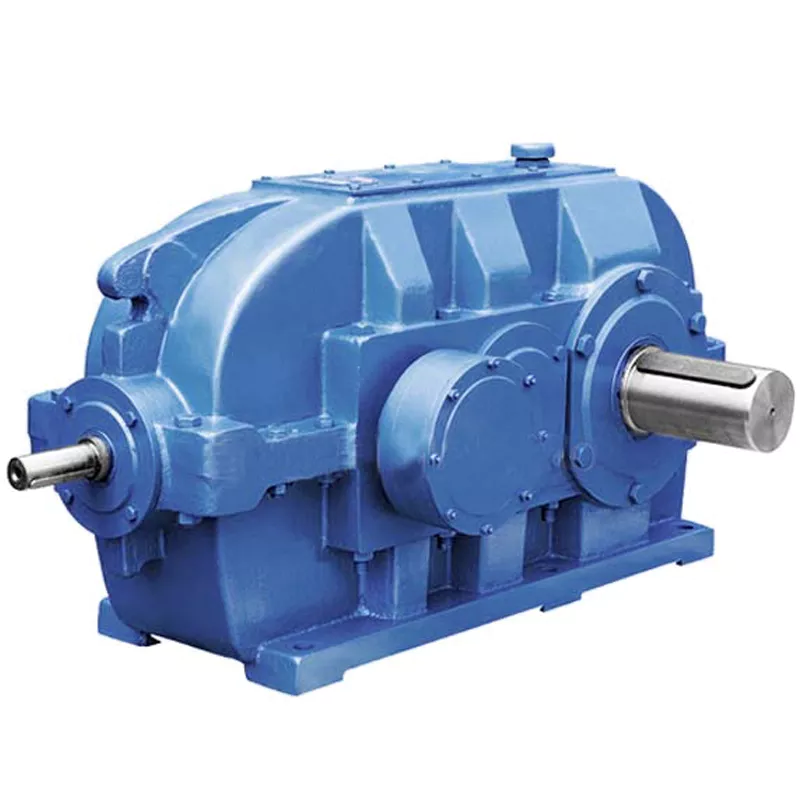
Handling Variations in Input and Output Speeds with Speed Reducer Gearboxes
Speed reducer gearboxes are designed to efficiently handle variations in input and output speeds, ensuring that mechanical systems can operate at desired levels of torque and rotational motion. Here’s how they accomplish this:
Versatile Gear Ratios: Speed reducer gearboxes are equipped with a combination of gears, typically including multiple stages of gear reduction. Each stage contains gears with specific gear ratios. By strategically selecting gear ratios for each stage, the gearbox can adjust the speed and torque output according to the input from the motor or initial power source.
Multi-Stage Reduction: In many speed reducer gearboxes, the input shaft connects to a series of gears, each progressively smaller in size. As the input gear turns, it drives the next gear in the sequence. This process continues through multiple stages, resulting in a significant reduction in rotational speed while increasing torque output.
Helical and Planetary Gears: Some speed reducer gearboxes use helical gears or planetary gear sets. Helical gears have angled teeth that engage gradually, reducing noise and providing smoother transitions between gears. Planetary gears consist of a central sun gear, multiple planet gears, and an outer ring gear. They allow for compact designs and efficient speed reduction.
Frictional and Mechanical Efficiency: Speed reducer gearboxes are designed to minimize friction and mechanical losses during operation. High-quality materials, precision manufacturing, and proper lubrication contribute to higher efficiency and reduced energy waste.
Adjustable Configurations: Speed reducer gearboxes can be configured to achieve different output speeds and torque levels based on the specific requirements of the application. This adjustability allows for customization and fine-tuning of performance.
Torque and Speed Ratings: Manufacturers provide torque and speed ratings for their speed reducer gearboxes, indicating the maximum torque load they can handle while maintaining specified speed reductions. These ratings guide the selection of an appropriate gearbox for a given application.
Overall, speed reducer gearboxes effectively manage variations in input and output speeds through the use of gear ratios, multi-stage reduction, specialized gear designs, and careful engineering. This enables them to adapt to the changing demands of mechanical systems while providing precise control over motion and torque.


editor by CX 2024-04-30