
Product Description
Product Description:
1. Flexspline is a hollow flanging standard cylinder structure.
2. The structure of the whole item is compact. The input shaft is directly matched with the inner hole of the wave generator. They are connected by a flat key slot.
3. The connecting way is circular spline fixed and flexible output, Or it can also be used that flexible fixed and circular spline output.
Advantages:
1. High precision, high torque
2. Dedicated technical personnel can be on-the-go to provide design solutions
3. Factory direct sales fine workmanship durable quality assurance
4. Product quality issues have a one-year warranty time, can be returned for replacement or repair
Company profile:
HangZhou CHINAMFG Technology Co., Ltd. established in 2014, is committed to the R & D plant of high-precision transmission components. At present, the annual production capacity can reach 45000 sets of harmonic reducers. We firmly believe in quality first. All links from raw materials to finished products are strictly supervised and controlled, which provides a CHINAMFG foundation for product quality. Our products are sold all over the country and abroad.
The harmonic reducer and other high-precision transmission components were independently developed by the company. Our company spends 20% of its sales every year on the research and development of new technologies in the industry. There are 5 people in R & D.
Our advantage is as below:
1.7 years of marketing experience
2. 5-person R & D team to provide you with technical support
3. It is sold at home and abroad and exported to Turkey and Ireland
4. The product quality is guaranteed with a one-year warranty
5. Products can be customized
Strength factory:
Our plant has an entire campus The number of workshops is around 300 Whether it’s from the production of raw materials and the procurement of raw materials to the inspection of finished products, we’re doing it ourselves. There is a complete production system
HCS-I Parameter:
| Model | Speed ratio | Enter the rated torque at 2000r/min | Allowed CHINAMFG torque at start stop | The allowable maximum of the average load torque | Maximum torque is allowed in an instant | Allow the maximum speed to be entered | Average input speed is allowed | Back gap | design life | ||||
| NM | kgfm | NM | kgfm | NM | kgfm | NM | kgfm | r / min | r / min | Arc sec | Hour | ||
| 11 | 80 | 3.8 | 0.4 | 8.5 | 0.9 | 6.8 | 0.7 | 19.1 | 1.9 | 8000 | 3000 | ≤30 | 10000 |
| 100 | 4.1 | 0.4 | 8.9 | 0.9 | 7.2 | 0.7 | 20 | 2 | |||||
| 14 | 50 | 6.2 | 0.6 | 20.7 | 2.1 | 7.9 | 0.7 | 40.3 | 4.1 | 7000 | 3000 | ≤30 | 15000 |
| 80 | 9 | 0.9 | 27 | 2.7 | 12.7 | 1.3 | 54.1 | 5.5 | |||||
| 100 | 9 | 0.9 | 32 | 3.3 | 12.7 | 1.3 | 62.1 | 6.3 | |||||
| 17 | 50 | 18.4 | 1.9 | 39 | 4 | 29.9 | 3 | 80.5 | 8.2 | 6500 | 3000 | ≤30 | 15000 |
| 80 | 25.3 | 2.6 | 49.5 | 5 | 31 | 3.2 | 100.1 | 10.2 | |||||
| 100 | 27.6 | 2.8 | 62 | 6.3 | 45 | 4.6 | 124.2 | 12.7 | |||||
| 20 | 50 | 28.8 | 2.9 | 64.4 | 6.6 | 39 | 4 | 112.7 | 11.5 | 5600 | 3000 | ≤30 | 15000 |
| 80 | 39.1 | 4 | 85 | 8.8 | 54 | 5.5 | 146.1 | 14.9 | |||||
| 100 | 46 | 4.7 | 94.3 | 9.6 | 56 | 5.8 | 169.1 | 17.2 | |||||
| 120 | 46 | 4.7 | 100 | 10.2 | 56 | 5.8 | 169.1 | 17.2 | |||||
| 160 | 46 | 4.7 | 112 | 10.9 | 56 | 5.8 | 169.1 | 17.2 | |||||
| 25 | 50 | 44.9 | 4.6 | 113 | 11.5 | 63 | 6.5 | 213.9 | 21.8 | 4800 | 3000 | ≤30 | 15000 |
| 80 | 72.5 | 7.4 | 158 | 16.1 | 100 | 10.2 | 293.3 | 29.9 | |||||
| 100 | 77.1 | 7.9 | 181 | 18.4 | 124 | 12.7 | 326.6 | 33.3 | |||||
| 120 | 77.1 | 7.9 | 192 | 19.6 | 124 | 12.7 | 349.6 | 35.6 | |||||
| 32 | 50 | 87.4 | 8.9 | 248 | 25.3 | 124 | 12.7 | 439 | 44.8 | 4000 | 3000 | ≤30 | 15000 |
| 80 | 135.7 | 13.8 | 350 | 35.6 | 192 | 19.6 | 653 | 66.6 | |||||
| 100 | 157.6 | 16.1 | 383 | 39.1 | 248 | 25.3 | 744 | 75.9 | |||||
| 120 | 157.6 | 16.1 | 406 | 41.4 | 248 | 25.3 | 789 | 80.5 | |||||
HCG Parameter:
| Model | Speed ratio | Enter the rated torque at 2000r/min | Allowed CHINAMFG torque at start stop | The allowable maximum of the average load torque | Maximum torque is allowed in an instant | Allow the maximum speed to be entered | Average input speed is allowed | Back gap | design life | ||||
| NM | kgfm | NM | kgfm | NM | kgfm | NM | kgfm | r / min | r / min | Arc sec | Hour | ||
| 11 | 80 | 3.8 | 0.4 | 8.5 | 0.9 | 6.8 | 0.7 | 19.1 | 1.9 | 8000 | 3000 | ≤20 | 10000 |
| 100 | 4.1 | 0.4 | 8.9 | 0.9 | 7.2 | 0.7 | 20 | 2 | |||||
| 14 | 50 | 7 | 0.7 | 23 | 2.3 | 9 | 0.9 | 46 | 4.7 | 10000 | 6500 | ≤20 | 15000 |
| 80 | 10 | 1 | 30 | 3.1 | 14 | 1.4 | 61 | 6.2 | |||||
| 100 | 10 | 1 | 36 | 3.7 | 14 | 1.4 | 70 | 7.2 | |||||
| 17 | 50 | 21 | 2.1 | 44 | 4.5 | 34 | 3.4 | 91 | 9 | 7500 | 5600 | ≤20 | 20000 |
| 80 | 29 | 2.9 | 56 | 5.7 | 35 | 3.6 | 113 | 12 | |||||
| 100 | 31 | 3.2 | 70 | 7.2 | 51 | 5.2 | 143 | 15 | |||||
| 20 | 50 | 33 | 3.3 | 73 | 7.4 | 44 | 4.5 | 127 | 13 | 7000 | 4800 | ≤20 | 2000 |
| 80 | 44 | 4.5 | 96 | 9.8 | 61 | 6.2 | 165 | 17 | |||||
| 100 | 52 | 5.3 | 107 | 10.9 | 64 | 6.5 | 191 | 20 | |||||
| 120 | 52 | 5.3 | 113 | 11.5 | 64 | 6.5 | 191 | 20 | |||||
| 160 | 52 | 5.3 | 120 | 12.2 | 64 | 6.5 | 191 | 20 | |||||
| 25 | 50 | 51 | 5.2 | 127 | 13 | 72 | 7.3 | 242 | 25 | 5600 | 4000 | ≤20 | 2000 |
| 80 | 82 | 8.4 | 178 | 18 | 113 | 12 | 332 | 34 | |||||
| 100 | 87 | 8.9 | 204 | 21 | 140 | 14 | 369 | 38 | |||||
| 120 | 87 | 8.9 | 217 | 22 | 140 | 14 | 395 | 40 | |||||
| 32 | 50 | 99 | 10 | 281 | 29 | 140 | 14 | 497 | 51 | 5600 | 3000 | ≤20 | 2000 |
| 80 | 153 | 16 | 395 | 40 | 217 | 22 | 738 | 75 | |||||
| 100 | 178 | 18 | 433 | 44 | 281 | 29 | 841 | 86 | |||||
| 120 | 178 | 18 | 459 | 47 | 281 | 29 | 892 | 91 | |||||
Exhibitions:
Application case:
FQA:
Q: What should I provide when I choose a gearbox/speed reducer?
A: The best way is to provide the motor drawing with parameters. Our engineer will check and recommend the most suitable gearbox model for your reference.
Or you can also provide the below specification as well:
1) Type, model, and torque.
2) Ratio or output speed
3) Working condition and connection method
4) Quality and installed machine name
5) Input mode and input speed
6) Motor brand model or flange and motor shaft size
| Application: | Motor, Electric Cars, Motorcycle, Machinery, Marine, Car |
|---|---|
| Hardness: | Hardened Tooth Surface |
| Installation: | 90 Degree |
| Layout: | Coaxial |
| Gear Shape: | Cylindrical Gear |
| Step: | Single-Step |
| Customization: |
Available
| Customized Request |
|---|
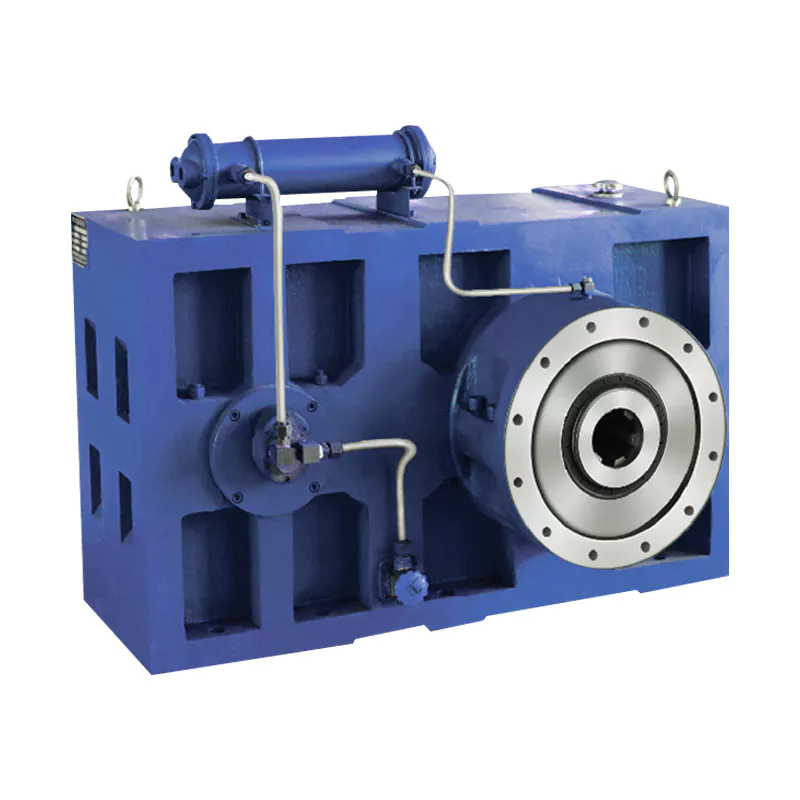
Enhancing Efficiency of Conveyor Systems and Material Handling Equipment with Speed Reducer Gearboxes
Speed reducer gearboxes play a significant role in optimizing the efficiency of conveyor systems and material handling equipment, contributing to smoother operations, reduced energy consumption, and improved productivity.
Conveyor Systems:
- Variable Speed Control: Speed reducer gearboxes allow precise control over the rotational speed of conveyor belts. This enables operators to adjust the speed according to the specific material being transported, preventing spills, jams, and material damage.
- Torque Amplification: By increasing torque while reducing speed, speed reducer gearboxes help conveyor systems handle heavy loads and inclines with ease. This minimizes strain on the motor and extends the equipment’s lifespan.
- Energy Efficiency: Speed reducer gearboxes convert high-speed, low-torque input into low-speed, high-torque output. This efficient power transmission reduces energy consumption, leading to cost savings and environmental benefits.
- Smooth Start and Stop: Gearboxes enable smooth acceleration and deceleration of conveyor belts, reducing wear and tear on components and minimizing product damage.
Material Handling Equipment:
- Enhanced Lifting Capacity: Speed reducer gearboxes allow material handling equipment, such as forklifts and cranes, to lift heavier loads by multiplying torque while maintaining a manageable speed.
- Precision Control: Gearboxes provide fine control over the movement of material handling equipment, allowing operators to position and place items accurately and safely.
- Reduced Operator Fatigue: The torque amplification provided by speed reducer gearboxes reduces the effort required to move heavy objects, reducing operator fatigue and improving overall ergonomics.
- Safety: Gearboxes contribute to safer operations by enabling controlled and gradual movements, minimizing the risk of sudden jerks or overexertion.
By incorporating speed reducer gearboxes into conveyor systems and material handling equipment, industries can achieve higher levels of efficiency, reliability, and safety while reducing operational costs and enhancing overall performance.
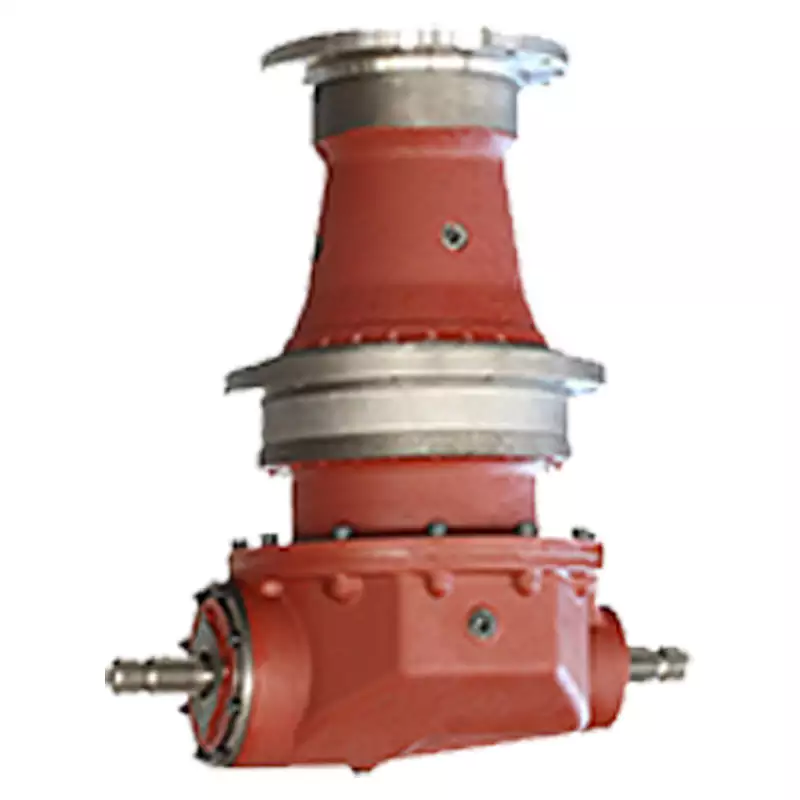
Maintenance Practices for Extending the Lifespan of Speed Reducer Gearboxes
Proper maintenance is essential for ensuring the longevity and optimal performance of speed reducer gearboxes. Here are some crucial maintenance practices to extend their lifespan:
Regular Inspection: Conduct routine visual and auditory inspections to identify any signs of wear, misalignment, or unusual noise. Detecting issues early allows for timely intervention and prevents further damage.
Lubrication: Follow the manufacturer’s guidelines for lubrication frequency and type. Adequate lubrication ensures smooth gear operation, reduces friction, and prevents premature wear and overheating.
Lubricant Quality: Use high-quality lubricants recommended by the gearbox manufacturer. Proper lubricant selection contributes to effective lubrication and protection against corrosion.
Cleaning: Regularly clean the exterior of the gearbox to prevent the accumulation of dirt, debris, and contaminants that could impact its performance and cooling ability.
Torque Check: Periodically check and re-tighten mounting bolts and fasteners to maintain proper torque and prevent loosening due to vibrations and operational forces.
Alignment: Ensure proper shaft alignment to minimize excessive loads on gears and bearings. Misalignment can lead to increased wear and reduced efficiency.
Temperature Monitoring: Monitor the operating temperature of the gearbox and ensure it stays within the recommended range. Excessive heat can degrade lubricant properties and damage internal components.
Seal Inspection: Check seals and gaskets for signs of leaks. Damaged seals can lead to lubricant loss and contamination, affecting gearbox performance.
Filter Replacement: If the gearbox has a filtration system, regularly replace filters to maintain clean lubricant and prevent abrasive particles from causing damage.
Vibration Analysis: Perform periodic vibration analysis to detect any abnormal vibrations that could indicate misalignment, imbalance, or other issues. Addressing these problems promptly can prevent further damage.
Professional Service: Engage with qualified technicians or service providers for comprehensive inspections and maintenance, especially for complex or critical applications.
By adhering to these maintenance practices, you can maximize the lifespan of your speed reducer gearboxes, ensure reliable operation, and avoid costly downtime or premature replacement.
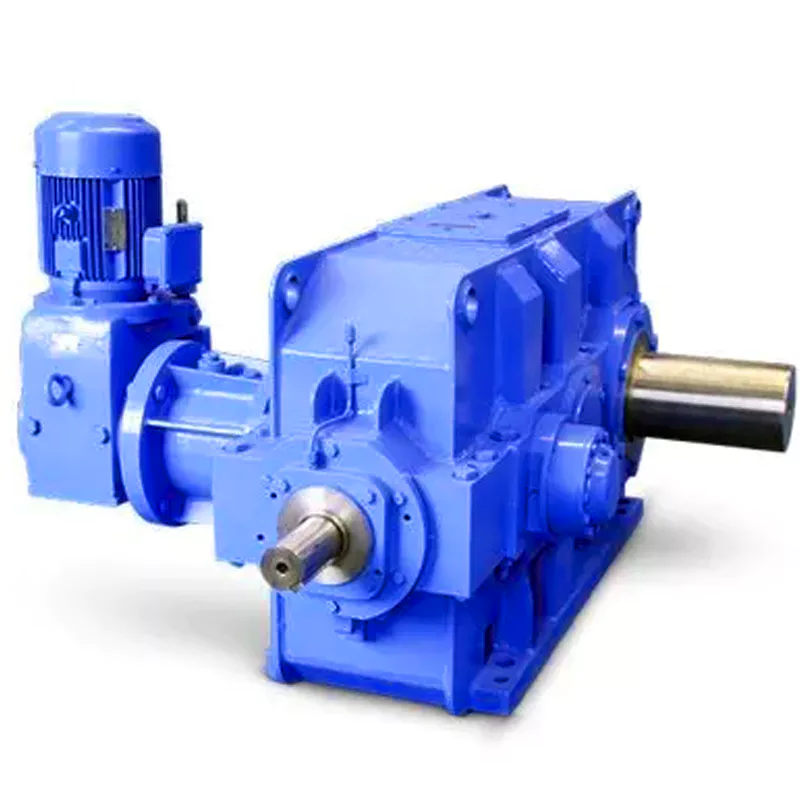
What Advantages Does a Speed Reducer Gearbox Offer in Industrial Applications?
A speed reducer gearbox provides numerous advantages that make it a valuable component in a wide range of industrial applications. These advantages contribute to improved efficiency, performance, and reliability of machinery and equipment.
1. Speed Reduction: One of the primary benefits of a speed reducer gearbox is its ability to reduce the rotational speed of an input shaft, which is often provided by a high-speed power source such as an electric motor. This speed reduction is crucial in applications where the output speed needs to be lower than the input speed to achieve optimal performance. For example, in manufacturing processes or conveyor systems, a slower output speed is often necessary for precise control and safe handling of materials.
2. Torque Increase: The gear arrangement within a speed reducer gearbox leads to an increase in torque at the output shaft compared to the input shaft. This torque amplification is essential for applications that require higher levels of force to overcome resistance, move heavy loads, or perform work. The gearbox’s ability to multiply torque ensures that machinery can handle demanding tasks effectively.
3. Mechanical Advantage: Speed reducer gearboxes utilize gear trains and ratios to create a mechanical advantage. This advantage allows the gearbox to convert high-speed, low-torque input power into low-speed, high-torque output power. The mechanical advantage enhances the efficiency of power transmission and motion control, making it well-suited for applications that involve both speed reduction and torque increase.
4. Versatility: Speed reducer gearboxes are highly versatile and can be tailored to specific application requirements. Manufacturers offer a variety of gear ratios, sizes, and configurations, allowing for customization to achieve the desired output characteristics. This adaptability ensures that gearboxes can be integrated into a wide range of machinery and equipment across different industries.
5. Smooth Operation: The precise meshing of gears in a speed reducer gearbox results in smooth and consistent power transmission. This characteristic is crucial for applications that demand accurate and controlled movement, such as robotics and automated systems. The gearbox’s ability to maintain steady motion contributes to the overall efficiency and performance of the system.
6. Energy Efficiency: By converting high-speed, low-torque input power into a lower-speed, higher-torque output, speed reducer gearboxes help optimize energy usage. This energy-efficient operation can lead to reduced power consumption, lower operating costs, and improved sustainability in industrial processes.
7. Noise and Vibration Reduction: The gear arrangement in a speed reducer gearbox can help dampen noise and vibrations produced by the power source. This is particularly beneficial in applications where noise reduction is essential for a comfortable working environment or to prevent damage to sensitive equipment.
In summary, a speed reducer gearbox offers advantages such as speed reduction, torque amplification, mechanical advantage, versatility, smooth operation, energy efficiency, and noise reduction. These benefits make speed reducer gearboxes indispensable components in various industrial settings, enhancing the overall performance and productivity of machinery and systems.


editor by CX 2023-12-01