
Product Description
Why Choose Us
Product Details
|
Type |
Helical Bevel Gearbox / Reducer |
|
Model |
WK37~WK187 |
|
Mounting Position |
Flange, hollow shaft, CHINAMFG shaft |
|
Efficiency |
94%~98%(depends on the transmission stage) |
|
Material |
Housing: HT250 high strength cast iron |
|
Gear: 20CrMnTi |
|
|
Surface hardness of gears |
HRC58~62 |
|
Input/output shaft material |
40Cr |
|
Machining precision of gears |
Accurate grinding, 6 grade |
|
Warranty |
1 Year |
|
Input Power |
0.09kw,0.18kw,1.1KW,1.5KW,2.2KW,3KW,4KW,5.5KW,7.5KW, 11Kw and so on. |
|
Usages |
Industrial Machine: Food Stuff, Ceramics, CHEMICAL, Packing, Dyeing, Wood working, Glass. |
|
IEC Flange |
IEC standard flange |
|
Lubricant oil |
Gear oil |
Company Profile
Exhibition
Customized Service
Certificate&Honor
Customer Comments
FAQ
1. How to choose a gearbox which meets our requirement?
You can refer to our catalogue to choose the gearbox or we can help to choose when you provide
the technical information of required output torque, output speed and motor parameter etc.
2. What information shall we give before placing a purchase order?
a) Type of the gearbox, ratio, input and output type, input flange, mounting position, and motor information etc.
b) Housing color.
c) Purchase quantity.
d) Other special requirements.
3. What industries are your gearboxes being used?
Our gearboxes are widely used in the areas of textile, food processing, beverage, chemical industry,
escalator,automatic storage equipment, metallurgy, tabacco, environmental protection, logistics and etc.
4. Do you sell motors?
We have stable motor suppliers who have been cooperating with us for a long-time. They can provide motors
with high quality.
/* January 22, 2571 19:08:37 */!function(){function s(e,r){var a,o={};try{e&&e.split(“,”).forEach(function(e,t){e&&(a=e.match(/(.*?):(.*)$/))&&1
| Application: | Motor, Machinery, Agricultural Machinery |
|---|---|
| Function: | Change Drive Torque, Change Drive Direction, Speed Changing, Speed Reduction, Speed Increase |
| Layout: | Coaxial |
| Samples: |
US$ 200/Piece
1 Piece(Min.Order) | Order Sample |
|---|
| Customization: |
Available
| Customized Request |
|---|
.shipping-cost-tm .tm-status-off{background: none;padding:0;color: #1470cc}
|
Shipping Cost:
Estimated freight per unit. |
about shipping cost and estimated delivery time. |
|---|
| Payment Method: |
|
|---|---|
|
Initial Payment Full Payment |
| Currency: | US$ |
|---|
| Return&refunds: | You can apply for a refund up to 30 days after receipt of the products. |
|---|
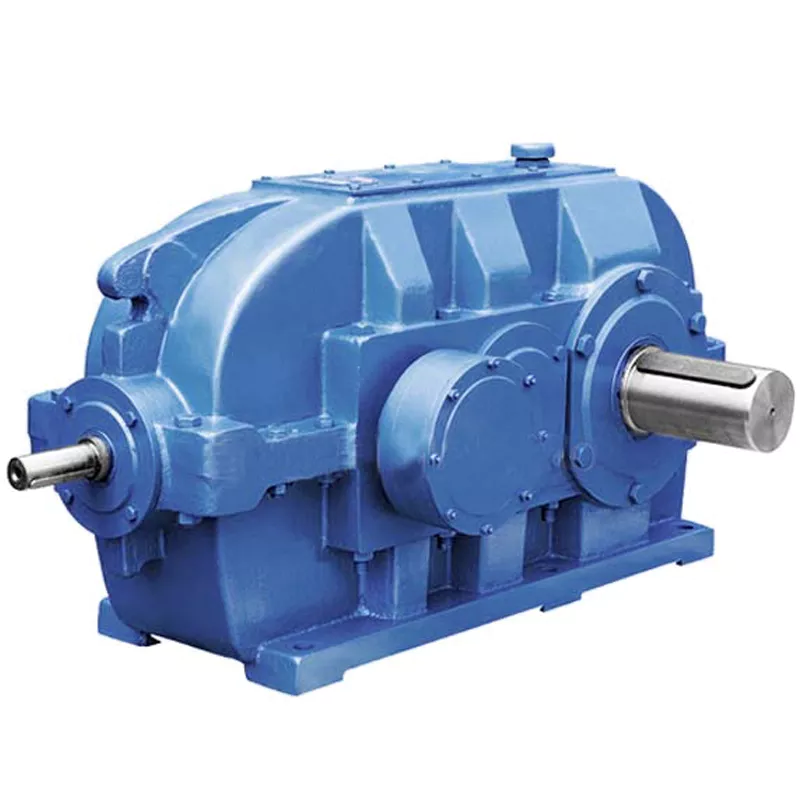
Emerging Trends in Speed Reducer Gearbox Technology
Speed reducer gearbox technology is undergoing continuous advancements, driven by the need for improved efficiency, reliability, and performance in various industrial applications. Some emerging trends in speed reducer gearbox technology include:
- Compact and Lightweight Designs: Manufacturers are developing speed reducer gearboxes with compact and lightweight designs, allowing for easier integration into space-constrained environments and reducing overall equipment weight.
- High-Efficiency Gearing: Advanced materials and manufacturing processes are being used to create high-efficiency gear designs, minimizing friction and energy losses, and maximizing power transmission.
- Integrated Sensors and Monitoring: Many modern speed reducer gearboxes come equipped with integrated sensors and monitoring systems. These technologies enable real-time data collection, condition monitoring, and predictive maintenance, enhancing reliability and reducing downtime.
- Smart and Digital Gearboxes: The integration of digital technologies, such as IoT (Internet of Things) connectivity and automation, is transforming traditional speed reducer gearboxes into “smart” gearboxes. These gearboxes can communicate with other equipment, adjust settings remotely, and optimize performance based on real-time data.
- Noise and Vibration Reduction: Noise and vibration reduction technologies are becoming more prominent in speed reducer gearbox design. Enhanced damping and isolation features help minimize noise levels and vibrations, contributing to quieter and more comfortable operating environments.
- Customization and Modular Design: Manufacturers are offering more customization options and modular designs for speed reducer gearboxes. This allows users to tailor gearboxes to their specific needs and easily replace individual components for maintenance purposes.
As technology continues to evolve, these emerging trends in speed reducer gearbox technology are likely to drive further innovation, enabling industries to achieve higher levels of efficiency, productivity, and overall equipment performance.
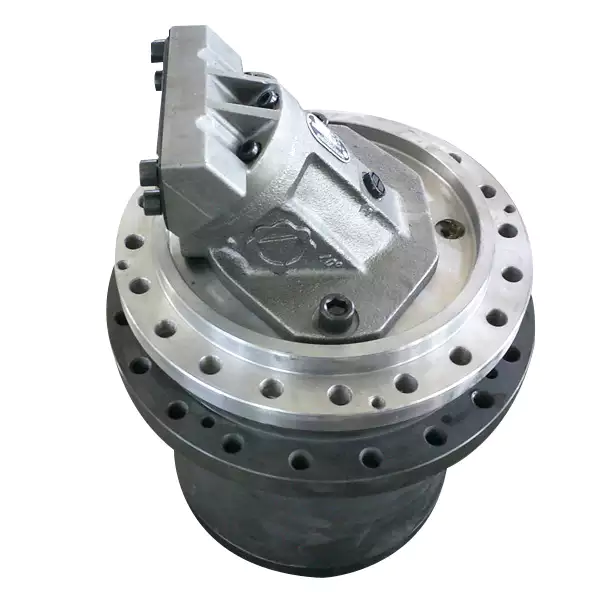
Factors to Consider When Selecting the Right Speed Reducer Gearbox
Choosing the appropriate speed reducer gearbox for an application involves considering several key factors to ensure optimal performance and efficiency. Here are the factors to take into account:
Torque and Speed Requirements: Determine the required torque output and speed reduction or increase for your specific application. Select a gearbox that can handle the desired torque and provide the necessary speed output.
Ratio: The gear ratio determines the relationship between input and output speeds. Choose a gearbox with the appropriate gear ratio to achieve the desired speed reduction or increase.
Efficiency: Consider the efficiency of the gearbox, as higher efficiency results in less energy loss and heat generation. Choose a gearbox with a high efficiency rating for improved energy savings.
Load Type: Identify whether the application involves constant, intermittent, or shock loads. Different gearbox designs are better suited for specific load types.
Space and Mounting Constraints: Evaluate the available space for installing the gearbox and ensure that the selected design fits within the allotted area. Consider mounting options and alignment requirements.
Environmental Conditions: Take into account factors such as temperature, humidity, dust, and corrosive environments. Choose a gearbox with appropriate sealing and protection to withstand the operating conditions.
Service Life and Maintenance: Consider the expected service life of the gearbox and its maintenance requirements. Select a gearbox with durable components and minimal maintenance needs.
Backlash: Backlash refers to the amount of play or clearance between gear teeth. Depending on the application’s precision requirements, choose a gearbox with low backlash for accurate motion control.
Noise and Vibration: Some applications require low noise and vibration levels. Choose a gearbox with features to minimize noise and vibration if necessary.
Cost: Factor in the cost of the gearbox and its long-term operational expenses. Balance the initial investment with the expected benefits and performance improvements.
Compatibility: Ensure that the gearbox is compatible with the existing components and systems in your application.
Manufacturer and Supplier: Choose a reputable manufacturer or supplier with a track record of delivering high-quality, reliable gearboxes.
By carefully considering these factors, you can select the right speed reducer gearbox that meets the specific requirements of your application, ensuring efficient and reliable operation.
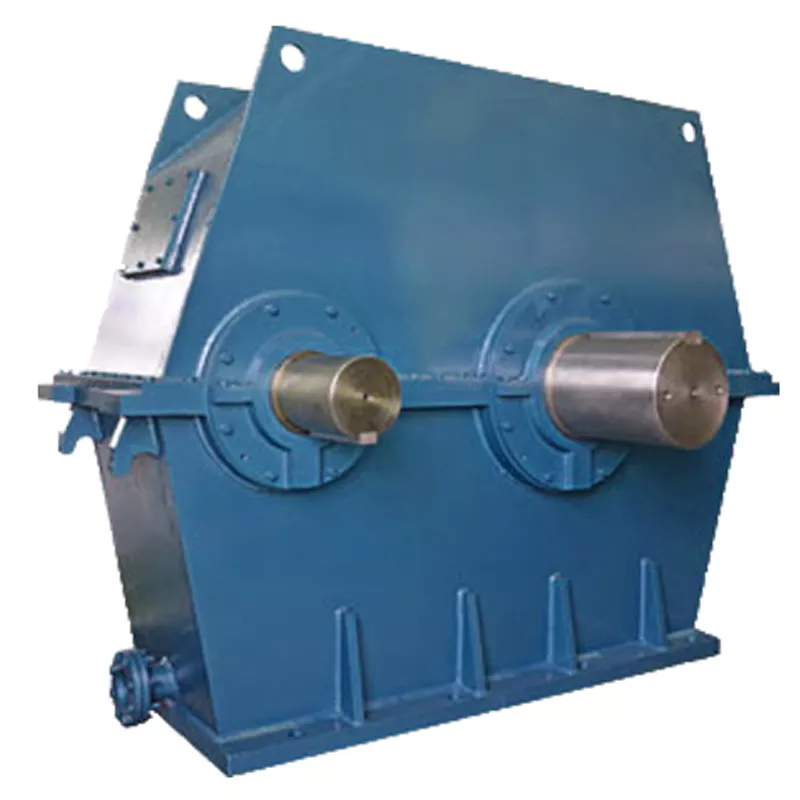
What is a Speed Reducer Gearbox and How Does It Function in Mechanical Systems?
A speed reducer gearbox, also known as a gear reducer or gearhead, is a mechanical device used to reduce the rotational speed of an input shaft while increasing the output torque. It consists of a combination of gears with different sizes and configurations that work together to achieve the desired speed reduction and torque increase.
The primary function of a speed reducer gearbox is to adapt the output speed and torque of a power source, such as an electric motor or an internal combustion engine, to match the requirements of a specific application. By changing the speed and torque characteristics, the gearbox enables efficient power transmission and motion control in various industrial and mechanical systems.
The basic operation of a speed reducer gearbox involves the interaction of different types of gears, such as spur gears, helical gears, bevel gears, and worm gears. These gears mesh together to create a mechanical advantage, which results in the reduction of output speed and the amplification of output torque. The specific gear arrangement and ratios determine the extent of speed reduction and torque multiplication achieved by the gearbox.
Speed reducer gearboxes find widespread use in applications where the input power source operates at higher speeds and lower torques than what is required for the output application. Examples include conveyor systems, industrial machinery, robotics, automotive transmissions, and various types of manufacturing equipment. By providing the necessary speed reduction and torque increase, speed reducer gearboxes play a crucial role in optimizing the performance and efficiency of these mechanical systems.
In summary, a speed reducer gearbox is a mechanical component that utilizes gear combinations to reduce input speed and increase output torque, enabling effective power transmission and motion control in a wide range of industrial applications.


editor by CX 2024-05-09