
Product Description
Good Quality High Torque PAD Series Planetary Gearbox Speed Geared Reducer with Square Flange Output
PAD sereis flange output planetary reducer features compact structure and high precision. Compared with other general gearbox, the use of PAD enables the installation space to be saved. The compact structure performs high torsional rigidity, and the taper roller bearing support provides high axial and moment load capacity.
PAD planetary gearbox is suitable for motion transmission where high positioning precision is required, and other automatic fields like dynamic cyclic operations, CNC machines and robotic industry.
– Precision Grade:
P0 ( ≤ 1 arcmin, ≤ 3 arcmin )
P1 ( ≤ 3 arcmin, ≤ 5 arcmin )
P2 ( ≤ 6 arcmin, ≤ 8 arcmin )
– Service Life: 22000h
– Operating Temperature: -15ºC ~ +90ºC
– Protection Grade: IP65
– Mounting Position: Any Direction
– Efficiency: ≥ 94% ~ ≥ 97%
Product Parameters
Detailed Photos
14 types of speed building ratio:=4-100
Minimum return interval: P0, P1P2
Maximum output torque: 23N. m-650N. m
Extremely high torsional rigidity and excellent performance
The highest load free policy is used in conditions with extremely high bearing capacity
Optimize power transmission and increase efficiency line by 98%
Very quiet during operation
Lifetime lubrication, no push protection
Fully sealed, IP65 protection level
Shortest structure and flexible installation
Small model: 64.90.110.140
Application
Product Description
Precision planetary gear reducer is another name for planetary gear reducer in the industry. Its main transmission structure is planetary gear, sun gear and inner gear ring.
Compared with other gear reducers, precision planetary gear reducers have the characteristics of high rigidity, high precision (single stage can achieve less than 1 point), high transmission efficiency (single stage can achieve 97% – 98%), high torque/volume ratio, lifelong maintenance-free, etc. Most of them are installed on stepper motor and servo motor to reduce speed, improve torque and match inertia.
Company Profile
Certifications
Packaging & Shipping
/* January 22, 2571 19:08:37 */!function(){function s(e,r){var a,o={};try{e&&e.split(“,”).forEach(function(e,t){e&&(a=e.match(/(.*?):(.*)$/))&&1
| Hardness: | Hardened Tooth Surface |
|---|---|
| Installation: | Vertical Type |
| Layout: | Coaxial |
| Gear Shape: | Planetary |
| Step: | Single-Step |
| Type: | Gear Reducer |
| Samples: |
US$ 100/Piece
1 Piece(Min.Order) | |
|---|
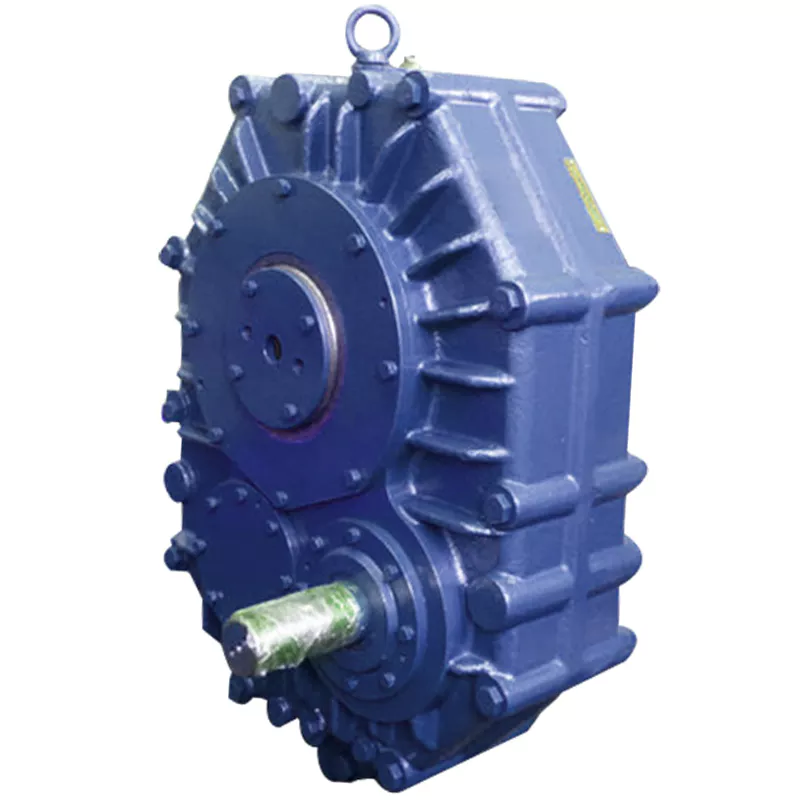
Ensuring Precision of Gear Tooth Profiles in Speed Reducer Gearboxes
Manufacturers employ several techniques to ensure the precision of gear tooth profiles in speed reducer gearboxes, which is crucial for optimal performance and longevity:
- High-Quality Materials: Manufacturers use high-quality materials for gear manufacturing, such as hardened steel or specialized alloys, to enhance durability and minimize wear.
- Precision Machining: Advanced machining processes, including CNC (Computer Numerical Control) machining and grinding, ensure accurate tooth profiles and precise gear dimensions.
- Tooth Profile Design: Detailed tooth profile designs based on mathematical calculations and engineering principles help optimize meshing and minimize stress concentration.
- Tooth Forming Techniques: Various tooth forming methods, such as hobbing, shaping, and broaching, are employed to create accurate gear tooth profiles with minimal deviations.
- Heat Treatment: Heat treatment processes like carburizing, quenching, and tempering are used to achieve the desired hardness and strength, ensuring gear teeth can withstand operational stresses.
- Quality Control: Rigorous quality control measures, including inspection using precision tools like coordinate measuring machines (CMMs), ensure compliance with design specifications.
- Lubrication and Surface Coatings: Proper lubrication and specialized surface coatings help reduce friction and wear, maintaining accurate tooth profiles during operation.
By implementing these techniques and adhering to stringent quality standards, manufacturers can achieve the required precision in gear tooth profiles, resulting in smooth and efficient operation of speed reducer gearboxes.
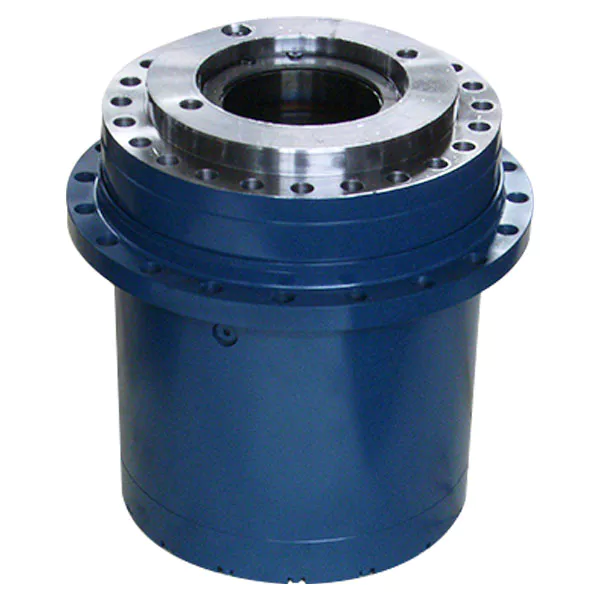
Efficient Power Transmission and Motion Control in Speed Reducer Gearboxes
Speed reducer gearboxes play a crucial role in ensuring efficient power transmission and precise motion control in various mechanical systems. Here’s how they achieve these objectives:
Power Transmission: Speed reducer gearboxes utilize a combination of gears, shafts, and bearings to transmit power from the input shaft to the output shaft. The gear train within the gearbox transforms the input speed and torque to the desired output speed and torque, allowing for effective power transmission.
Mechanical Advantage: The gear ratio in a speed reducer gearbox provides a mechanical advantage by reducing the rotational speed while increasing the available torque. This enables the gearbox to handle higher loads and deliver the required force for specific applications.
Reduced Energy Loss: By optimizing the gear meshing and minimizing friction between components, speed reducer gearboxes help reduce energy loss during power transmission. This leads to higher efficiency and lower heat generation, resulting in improved energy conservation.
Motion Control: Speed reducer gearboxes enable precise motion control by accurately converting input motion to the desired output motion. The gear ratio determines the relationship between input and output speeds, allowing for controlled movement, rotation, or positioning of machinery or equipment.
Backlash Minimization: High-quality speed reducer gearboxes are designed to minimize backlash, which is the play or clearance between gear teeth. This feature ensures accurate and repeatable motion, making them suitable for applications that require precise positioning and synchronization.
Noise and Vibration Reduction: Many speed reducer gearboxes incorporate features such as helical or planetary gears, which help reduce noise and vibration levels during operation. This is particularly important for applications where noise and vibration control is essential.
Enhanced System Stability: Speed reducer gearboxes provide stability to mechanical systems by controlling the speed and torque output. This stability contributes to smoother operation, reduced wear and tear on components, and increased overall system reliability.
Overall, speed reducer gearboxes ensure efficient power transmission and motion control by utilizing their mechanical design, gear arrangements, and precision manufacturing. Their ability to transform and manage power enables them to meet the specific requirements of diverse industrial applications while optimizing performance and reliability.
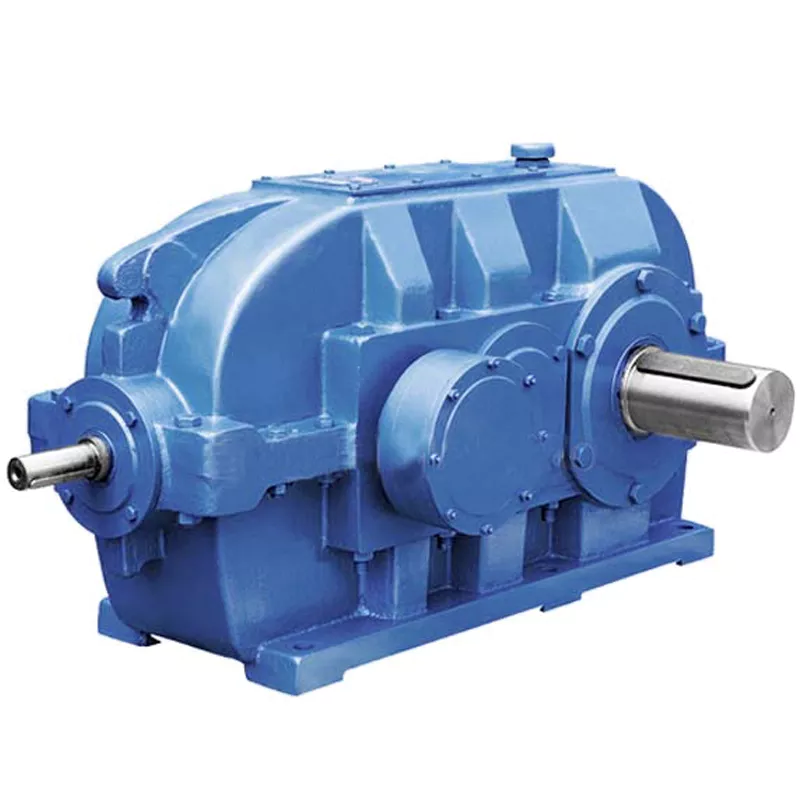
Handling Variations in Input and Output Speeds with Speed Reducer Gearboxes
Speed reducer gearboxes are designed to efficiently handle variations in input and output speeds, ensuring that mechanical systems can operate at desired levels of torque and rotational motion. Here’s how they accomplish this:
Versatile Gear Ratios: Speed reducer gearboxes are equipped with a combination of gears, typically including multiple stages of gear reduction. Each stage contains gears with specific gear ratios. By strategically selecting gear ratios for each stage, the gearbox can adjust the speed and torque output according to the input from the motor or initial power source.
Multi-Stage Reduction: In many speed reducer gearboxes, the input shaft connects to a series of gears, each progressively smaller in size. As the input gear turns, it drives the next gear in the sequence. This process continues through multiple stages, resulting in a significant reduction in rotational speed while increasing torque output.
Helical and Planetary Gears: Some speed reducer gearboxes use helical gears or planetary gear sets. Helical gears have angled teeth that engage gradually, reducing noise and providing smoother transitions between gears. Planetary gears consist of a central sun gear, multiple planet gears, and an outer ring gear. They allow for compact designs and efficient speed reduction.
Frictional and Mechanical Efficiency: Speed reducer gearboxes are designed to minimize friction and mechanical losses during operation. High-quality materials, precision manufacturing, and proper lubrication contribute to higher efficiency and reduced energy waste.
Adjustable Configurations: Speed reducer gearboxes can be configured to achieve different output speeds and torque levels based on the specific requirements of the application. This adjustability allows for customization and fine-tuning of performance.
Torque and Speed Ratings: Manufacturers provide torque and speed ratings for their speed reducer gearboxes, indicating the maximum torque load they can handle while maintaining specified speed reductions. These ratings guide the selection of an appropriate gearbox for a given application.
Overall, speed reducer gearboxes effectively manage variations in input and output speeds through the use of gear ratios, multi-stage reduction, specialized gear designs, and careful engineering. This enables them to adapt to the changing demands of mechanical systems while providing precise control over motion and torque.


editor by CX 2024-04-03