
Product Description
Product Description:
1.Flexspline is a hollow flanging standard cylinder structure.
2.There is a large-diameter hollow shaft hole in the middle of the cam of the wave generator. The internal design of the reducer has a support bearing.
3.It has a fully sealed structure and is easy to install. It is very suitable for the occasions where the wire needs to be threaded from the center of the reducer.
Advantages:
The first:High precision,high torque
The second:dedicated technical personnel can be on-the-go to provide design solutions
The third:Factory direct sales fine workmanship durable quality assurance
The fourth:Product quality issues have a one-year warranty time, can be returned for replacement or repair
Company profile:
HangZhou CHINAMFG Technology Co., Ltd. established in 2014, is committed to the R & D plant of high-precision transmission components. At present, the annual production capacity can reach 45000 sets of harmonic reducers. We firmly believe in quality first. All links from raw materials to finished products are strictly supervised and controlled, which provides a CHINAMFG foundation for product quality. Our products are sold all over the country and abroad.
The harmonic reducer and other high-precision transmission components were independently developed by the company. Our company spends 20% of its sales every year on the research and development of new technologies in the industry. There are 5 people in R & D.
Our advantage is as below:
1.7 years of marketing experience
2. 5-person R & D team to provide you with technical support
3. It is sold at home and abroad and exported to Turkey and Ireland
4. The product quality is guaranteed with a one-year warranty
5. Products can be customized
Strength factory:
Our plant has an entire campus The number of workshops is around 300 Whether it’s from the production of raw materials and the procurement of raw materials to the inspection of finished products, we’re doing it ourselves. There is a complete production system
HST-III Parameter:
| Model | Speed ratio | Enter the rated torque at 2000r/min | Allowed CHINAMFG torque at start stop | The allowable maximum of the average load torque | Maximum torque is allowed in an instant | Allow the maximum speed to be entered | Average input speed is allowed | Back gap | design life | ||||
| NM | kgfm | NM | kgfm | NM | kgfm | NM | kgfm | r / min | r / min | Arc sec | Hour | ||
| 14 | 50 | 6.2 | 0.6 | 20.7 | 2.1 | 7.9 | 0.7 | 40.3 | 4.1 | 7000 | 3000 | ≤30 | 10000 |
| 80 | 9 | 0.9 | 27 | 2.7 | 12.7 | 1.3 | 54.1 | 5.5 | |||||
| 100 | 9 | 0.9 | 32 | 3.3 | 12.7 | 1.3 | 62.1 | 6.3 | |||||
| 17 | 50 | 18.4 | 1.9 | 39 | 4 | 29.9 | 3 | 80.5 | 8.2 | 6500 | 3000 | ≤30 | 15000 |
| 80 | 25.3 | 2.6 | 49.5 | 5 | 31 | 3.2 | 100.1 | 10.2 | |||||
| 100 | 27.6 | 2.8 | 62 | 6.3 | 45 | 4.6 | 124.2 | 12.7 | |||||
| 20 | 50 | 28.8 | 2.9 | 64.4 | 6.6 | 39 | 4 | 112.7 | 11.5 | 5600 | 3000 | ≤30 | 15000 |
| 80 | 39.1 | 4 | 85 | 8.8 | 54 | 5.5 | 146.1 | 14.9 | |||||
| 100 | 46 | 4.7 | 94.3 | 9.6 | 56 | 5.8 | 169.1 | 17.2 | |||||
| 120 | 46 | 4.7 | 100 | 10.2 | 56 | 5.8 | 169.1 | 17.2 | |||||
| 160 | 46 | 4.7 | 100 | 10.2 | 56 | 5.8 | 169.1 | 17.2 | |||||
| 25 | 50 | 44.9 | 4.6 | 113 | 11.5 | 63 | 6.5 | 213.9 | 21.8 | 4800 | 3000 | ≤30 | 15000 |
| 80 | 72.5 | 7.4 | 158 | 16.1 | 100 | 10.2 | 293.3 | 29.9 | |||||
| 100 | 77.1 | 7.9 | 181 | 18.4 | 124 | 12.7 | 326.6 | 33.3 | |||||
| 120 | 77.1 | 7.9 | 192 | 19.6 | 124 | 12.7 | 349.6 | 35.6 | |||||
| 32 | 50 | 87.4 | 8.9 | 248 | 25.3 | 124 | 12.7 | 439 | 44.8 | 4000 | 3000 | ≤30 | 15000 |
| 80 | 135.7 | 13.8 | 350 | 35.6 | 192 | 19.6 | 653 | 66.6 | |||||
| 100 | 157.6 | 16.1 | 383 | 39.1 | 248 | 25.3 | 744 | 75.9 | |||||
| 40 | 100 | 308 | 37.2 | 660 | 67 | 432 | 44 | 1232 | 126.7 | 4000 | 3000 | ≤30 | 15000 |
HSG Parameter:
| Model | Speed ratio | Enter the rated torque at 2000r/min | Allowed CHINAMFG torque at start stop | The allowable maximum of the average load torque | Maximum torque is allowed in an instant | Allow the maximum speed to be entered | Average input speed is allowed | Back gap | design life | ||||
| NM | kgfm | NM | kgfm | NM | kgfm | NM | kgfm | r / min | r / min | Arc sec | Hour | ||
| 14 | 50 | 7 | 0.7 | 23 | 2.3 | 9 | 0.9 | 46 | 4.7 | 14000 | 8500 | ≤20 | 15000 |
| 80 | 10 | 1 | 30 | 3.1 | 14 | 1.4 | 61 | 6.2 | |||||
| 100 | 10 | 1 | 36 | 3.7 | 14 | 1.4 | 70 | 7.2 | |||||
| 17 | 50 | 21 | 2.1 | 44 | 4.5 | 34 | 3.4 | 91 | 9 | 10000 | 7300 | ≤20 | 20000 |
| 80 | 29 | 2.9 | 56 | 5.7 | 35 | 3.6 | 113 | 12 | |||||
| 100 | 31 | 3.2 | 70 | 7.2 | 51 | 5.2 | 143 | 15 | |||||
| 20 | 50 | 33 | 3.3 | 73 | 7.4 | 44 | 4.5 | 127 | 13 | 10000 | 6500 | ≤20 | 20000 |
| 80 | 44 | 4.5 | 96 | 9.8 | 61 | 6.2 | 165 | 17 | |||||
| 100 | 52 | 5.3 | 107 | 10.9 | 64 | 6.5 | 191 | 20 | |||||
| 120 | 52 | 5.3 | 113 | 11.5 | 64 | 6.5 | 191 | 20 | |||||
| 160 | 52 | 5.3 | 120 | 12.2 | 64 | 6.5 | 191 | 20 | |||||
| 25 | 50 | 51 | 5.2 | 127 | 13 | 72 | 7.3 | 242 | 25 | 7500 | 5600 | ≤20 | 20000 |
| 80 | 82 | 8.4 | 178 | 18 | 113 | 12 | 332 | 34 | |||||
| 100 | 87 | 8.9 | 204 | 21 | 140 | 14 | 369 | 38 | |||||
| 120 | 87 | 8.9 | 217 | 22 | 140 | 14 | 395 | 40 | |||||
| 32 | 50 | 99 | 10 | 281 | 29 | 140 | 14 | 497 | 51 | 7000 | 4800 | ≤20 | 20000 |
| 80 | 153 | 16 | 395 | 40 | 217 | 22 | 738 | 75 | |||||
| 100 | 178 | 18 | 433 | 44 | 281 | 29 | 841 | 86 | |||||
| 40 | 100 | 345 | 35 | 738 | 75 | 484 | 49 | 1400 | 143 | 5600 | 4000 | ≤20 | 20000 |
Exhibition:
Application case:
FQA:
Q: What should I provide when I choose gearbox/speed reducer?
A: The best way is to provide the motor drawing with parameter. Our engineer will check and recommend the most suitable gearbox model for your refer.
Or you can also provide below specification as well:
1) Type, model and torque.
2) Ratio or output speed
3) Working condition and connection method
4) Quality and installed machine name
5) Input mode and input speed
6) Motor brand model or flange and motor shaft size
| Application: | Motor, Machinery, Agricultural Machinery |
|---|---|
| Hardness: | Hardened Tooth Surface |
| Installation: | 90 Degree |
| Layout: | Coaxial |
| Gear Shape: | Cylindrical Gear |
| Step: | Single-Step |
| Samples: |
US$ 100/Piece
1 Piece(Min.Order) | |
|---|
| Customization: |
Available
| Customized Request |
|---|
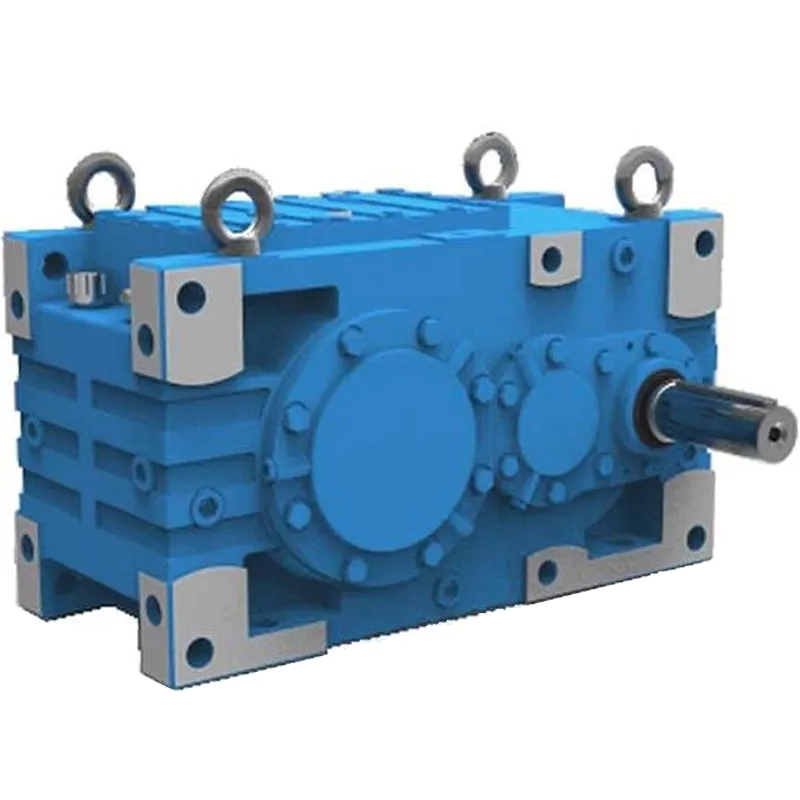
Real-World Examples of Products Utilizing Speed Reducer Gearboxes
Speed reducer gearboxes are extensively used in a wide range of products and industries to enhance efficiency and performance. Here are some real-world examples:
- Automotive Industry: Automatic transmissions in vehicles employ speed reducer gearboxes to optimize engine power delivery to the wheels, ensuring smooth acceleration and efficient fuel consumption.
- Industrial Machinery: Conveyor systems, packaging machines, and manufacturing equipment often incorporate speed reducer gearboxes to achieve precise motion control, reduce energy consumption, and enhance overall productivity.
- Wind Turbines: Wind energy generators utilize speed reducer gearboxes to convert the relatively high rotational speed of the turbine blades into the lower speed required by the electrical generator, thus optimizing power generation.
- Material Handling Equipment: Forklifts, cranes, and elevators use speed reducer gearboxes to amplify torque and control lifting and lowering operations, ensuring safe and efficient material transport.
- Food Processing: Mixing and blending machines in the food industry rely on speed reducer gearboxes to maintain consistent mixing speeds, improving product quality and reducing processing time.
- Construction Equipment: Concrete mixers, excavators, and bulldozers utilize speed reducer gearboxes to convert high engine speeds into the low-speed, high-torque output required for heavy-duty tasks.
- Printing Industry: Printing presses employ speed reducer gearboxes to achieve accurate paper feeding and precise printing, resulting in high-quality output and reduced material wastage.
- Agricultural Machinery: Tractors, combines, and irrigation systems use speed reducer gearboxes to optimize power distribution, enabling efficient farming operations and reducing fuel consumption.
- Robotics: Robotic arms and automated machinery incorporate speed reducer gearboxes to achieve precise and controlled movements, enhancing accuracy and repeatability in various industrial processes.
These examples showcase the diverse applications of speed reducer gearboxes across industries, highlighting their crucial role in enhancing operational efficiency, energy utilization, and overall performance of various products and systems.
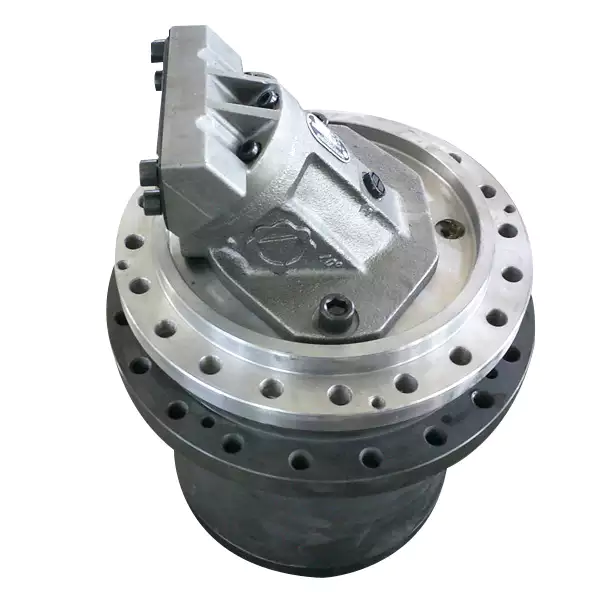
Factors to Consider When Selecting the Right Speed Reducer Gearbox
Choosing the appropriate speed reducer gearbox for an application involves considering several key factors to ensure optimal performance and efficiency. Here are the factors to take into account:
Torque and Speed Requirements: Determine the required torque output and speed reduction or increase for your specific application. Select a gearbox that can handle the desired torque and provide the necessary speed output.
Ratio: The gear ratio determines the relationship between input and output speeds. Choose a gearbox with the appropriate gear ratio to achieve the desired speed reduction or increase.
Efficiency: Consider the efficiency of the gearbox, as higher efficiency results in less energy loss and heat generation. Choose a gearbox with a high efficiency rating for improved energy savings.
Load Type: Identify whether the application involves constant, intermittent, or shock loads. Different gearbox designs are better suited for specific load types.
Space and Mounting Constraints: Evaluate the available space for installing the gearbox and ensure that the selected design fits within the allotted area. Consider mounting options and alignment requirements.
Environmental Conditions: Take into account factors such as temperature, humidity, dust, and corrosive environments. Choose a gearbox with appropriate sealing and protection to withstand the operating conditions.
Service Life and Maintenance: Consider the expected service life of the gearbox and its maintenance requirements. Select a gearbox with durable components and minimal maintenance needs.
Backlash: Backlash refers to the amount of play or clearance between gear teeth. Depending on the application’s precision requirements, choose a gearbox with low backlash for accurate motion control.
Noise and Vibration: Some applications require low noise and vibration levels. Choose a gearbox with features to minimize noise and vibration if necessary.
Cost: Factor in the cost of the gearbox and its long-term operational expenses. Balance the initial investment with the expected benefits and performance improvements.
Compatibility: Ensure that the gearbox is compatible with the existing components and systems in your application.
Manufacturer and Supplier: Choose a reputable manufacturer or supplier with a track record of delivering high-quality, reliable gearboxes.
By carefully considering these factors, you can select the right speed reducer gearbox that meets the specific requirements of your application, ensuring efficient and reliable operation.
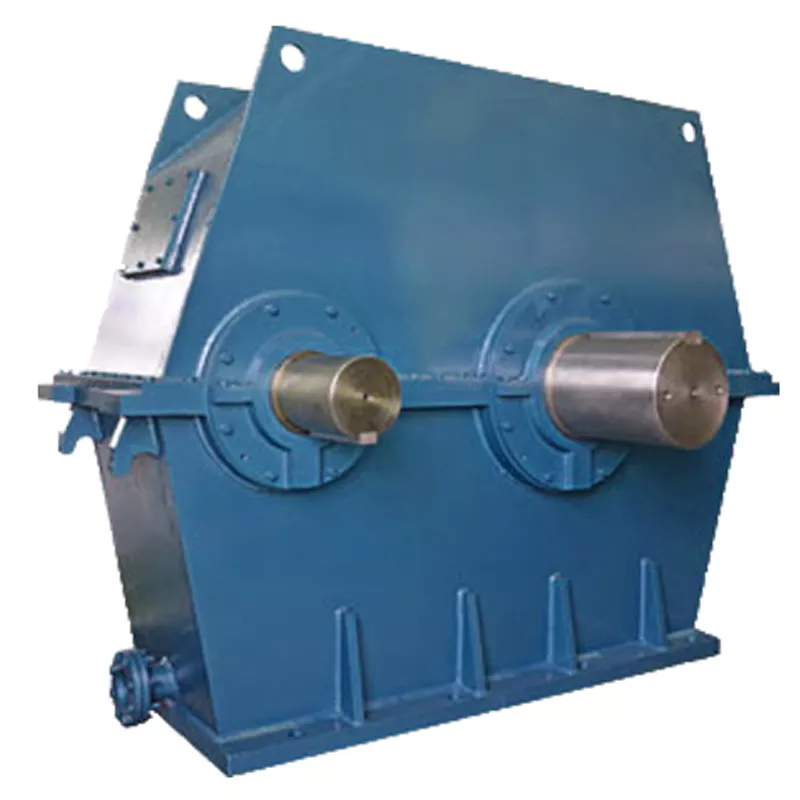
What is a Speed Reducer Gearbox and How Does It Function in Mechanical Systems?
A speed reducer gearbox, also known as a gear reducer or gearhead, is a mechanical device used to reduce the rotational speed of an input shaft while increasing the output torque. It consists of a combination of gears with different sizes and configurations that work together to achieve the desired speed reduction and torque increase.
The primary function of a speed reducer gearbox is to adapt the output speed and torque of a power source, such as an electric motor or an internal combustion engine, to match the requirements of a specific application. By changing the speed and torque characteristics, the gearbox enables efficient power transmission and motion control in various industrial and mechanical systems.
The basic operation of a speed reducer gearbox involves the interaction of different types of gears, such as spur gears, helical gears, bevel gears, and worm gears. These gears mesh together to create a mechanical advantage, which results in the reduction of output speed and the amplification of output torque. The specific gear arrangement and ratios determine the extent of speed reduction and torque multiplication achieved by the gearbox.
Speed reducer gearboxes find widespread use in applications where the input power source operates at higher speeds and lower torques than what is required for the output application. Examples include conveyor systems, industrial machinery, robotics, automotive transmissions, and various types of manufacturing equipment. By providing the necessary speed reduction and torque increase, speed reducer gearboxes play a crucial role in optimizing the performance and efficiency of these mechanical systems.
In summary, a speed reducer gearbox is a mechanical component that utilizes gear combinations to reduce input speed and increase output torque, enabling effective power transmission and motion control in a wide range of industrial applications.


editor by CX 2023-10-10