
Product Description
Detailed Photos
Features of S series reducer
The same model can be equipped with motors of various powers. It is easy to realize the combination and connection between various models.
The transmission efficiency is high, and the single reducer efficiency is up to 96%. three
The transmission ratio is subdivided and the range is wide. The combined model can form a large transmission ratio and low output speed.
The installation forms are various, and can be installed with any foot, B5 flange or B4 flange. The foot mounting reducer has 2 machined foot mounting planes.
Helical gear and worm gear combination, compact structure, large reduction ratio.
Installation mode: foot installation, hollow shaft installation, flange installation, torque arm installation, small flange installation.
Input mode: motor direct connection, motor belt connection or input shaft, connection flange input.
Average efficiency: reduction ratio 7.5-69.39 is 77%; 70.43-288 is 62%; The S/R combination is 57%.
S57 SF57 SA57 SAF57 S series helical worm gear box speed reducer 0.18kw 0.25kw 0.37kw 0.55kw 0.75kw 1.1kw 1.5kw 2.2kw 3kw, max. permissible torque up to 300Nm, transmission ratios from 10.78 to 196.21. Mounting mode: foot mounted, flange mounted, short flange mounted, torque arm mounted. Output shaft: CHINAMFG shaft, hollow shaft (with key, with shrink disc and with involute spline).
S series helical gear worm reducer
Features of products
1. The S series helical gear worm gear motor has a high technological content. It has a helical gear and a worm gear combined with an integrated transmission to improve the torque and efficiency of the machine. This series of products have complete specifications, wide speed range, good versatility, adapt to various installation methods, safe and reliable performance and long life, and have implemented international standards.
2. The uneven surface of the body has the effect of heat dissipation, strong vibration absorption, low temperature rise and low noise.
3. The machine has good sealing performance and strong adaptability to the working environment.
4. The machine has high transmission accuracy, and is especially suitable for working in occasions with frequent starting. It can be connected to various types of reducers and equipped with various types of motor drives, and can be installed in the 90-degree transmission operating position.
5. The key components of the motor are made of highly wear-resistant materials and undergo special heat treatment. They have the characteristics of high machining accuracy, stable transmission, small size, large carrying capacity, and long life.
6. The reducer can be equipped with various types of motors, forming a mechatronics, which fully guarantees the quality characteristics of the product.
|
Gearing Arrangement |
Helical-worm |
|
Output Torque |
10-4484 Nm |
|
Input Speed |
Reference details page |
|
Output Speed |
0.21-12 r/min |
|
Color |
Customizable |
|
Certificate |
ISO9001 |
|
Structure |
SF |
|
Input power rating |
0.55-7.5 |
|
Ratio |
9.96-241.09 |
|
Maximum torque |
1270 |
|
Input Configurations |
Equipped with Electric Motors |
|
Applicable Motors |
Single Phase AC Motor, Three Phase AC Motor |
|
Output Configurations |
CHINAMFG Shaft Output |
|
nstallation |
Foot-mounted |
|
Lubrication |
Oil-bath and Splash Lubrication |
Product Parameters
For more models, please contact us!
F helical gear reducer
Parallel output, compact structure, large transmission torque, stable operation, low noise and long life.
Installation method: base installation, flange installation, torque arm installation.
Reduction ratio: basic type 2 level 4.3-25.3, 3 level 28.2-273, combined to 18509.
The rotation direction of the input and output of the basic two-stage is the same, and the three-stage is opposite; please consult when combining.
Output mode: hollow shaft output or CHINAMFG shaft output.
Average efficiency: Level 2 96%, Level 3 94%, F/CR average efficiency 85%.
K helical bevel gear reducer
Vertical output, compact structure, hard tooth surface transmission torque, high-precision gears ensure stable work, low noise
and long life.
Installation method: base installation, flange installation, torque arm installation, small flange installation.
Input mode: motor direct connection, motor belt connection or input shaft, connection flange input.
Output mode: hollow shaft output or CHINAMFG shaft output, the average efficiency is 94%.
Reduction ratio: basic type 8.1-191, combined to 13459.
R helical gear reducer
Small bias output, compact structure, maximum use of cabinet space, the second and third levels are in the same cabinet. Using an integral cast box, the box structure has good rigidity, which is easy to improve the strength of the shaft and the life of the
bearing.
Installation method: pedestal installation, flanges with large and small flanges are easy to choose.
CHINAMFG shaft output, the average efficiency is 96% in the second stage, 94% in the third stage, and 85% in CR/CR. The CRM series specially designed for mixing can carry large axial and radial forces.
Company Profile
Certifications
Packaging & Shipping
FAQ
/* March 10, 2571 17:59:20 */!function(){function s(e,r){var a,o={};try{e&&e.split(“,”).forEach(function(e,t){e&&(a=e.match(/(.*?):(.*)$/))&&1
| Hardness: | Hardened Tooth Surface |
|---|---|
| Installation: | 90 Degree |
| Layout: | Expansion |
| Gear Shape: | Bevel Gear |
| Step: | Single-Step |
| Type: | Gear Reducer |
| Samples: |
US$ 80/Piece
1 Piece(Min.Order) | |
|---|
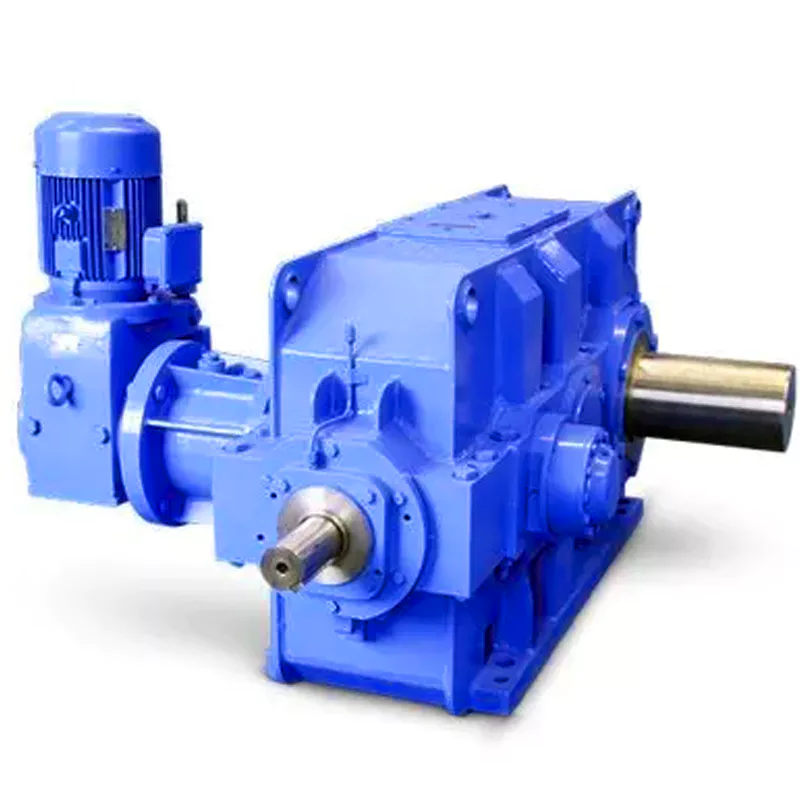
Contribution of Speed Reducer Gearboxes to Energy Efficiency in Machinery
Speed reducer gearboxes play a significant role in enhancing energy efficiency across various industrial applications. Their contributions are as follows:
- Optimized Power Transmission: Speed reducer gearboxes efficiently transfer power from input to output shafts, ensuring minimal energy loss during transmission. By reducing unnecessary friction and minimizing internal losses, these gearboxes maximize power delivery to the intended machinery.
- Torque Amplification: Speed reducers increase torque while reducing rotational speed. This allows larger loads to be moved with less power input, resulting in improved efficiency and reduced energy consumption.
- Variable Speed Control: Some speed reducer gearboxes offer adjustable speed settings, enabling machinery to operate at the most energy-efficient speed for a given task. This feature is especially beneficial in applications with varying load requirements.
- Optimized Motion Profiles: Speed reducer gearboxes help achieve smoother and controlled motion in machinery. By minimizing jerky movements and vibrations, energy waste due to sudden accelerations and decelerations is reduced.
- Reduced Heat Generation: Efficient speed reduction leads to lower heat generation within gearboxes, resulting in decreased energy loss due to heat dissipation. This is particularly important in applications that involve continuous operation.
- Mechanical Advantage: Speed reducers provide mechanical advantage, allowing equipment to perform tasks more easily and efficiently. This can lead to decreased wear and tear on machinery components and, consequently, reduced energy consumption.
Overall, speed reducer gearboxes contribute to energy efficiency by optimizing power transmission, reducing losses, enhancing torque delivery, and enabling precise control over machinery speed and motion. Their inclusion in various industrial setups helps lower energy consumption, operational costs, and environmental impact.
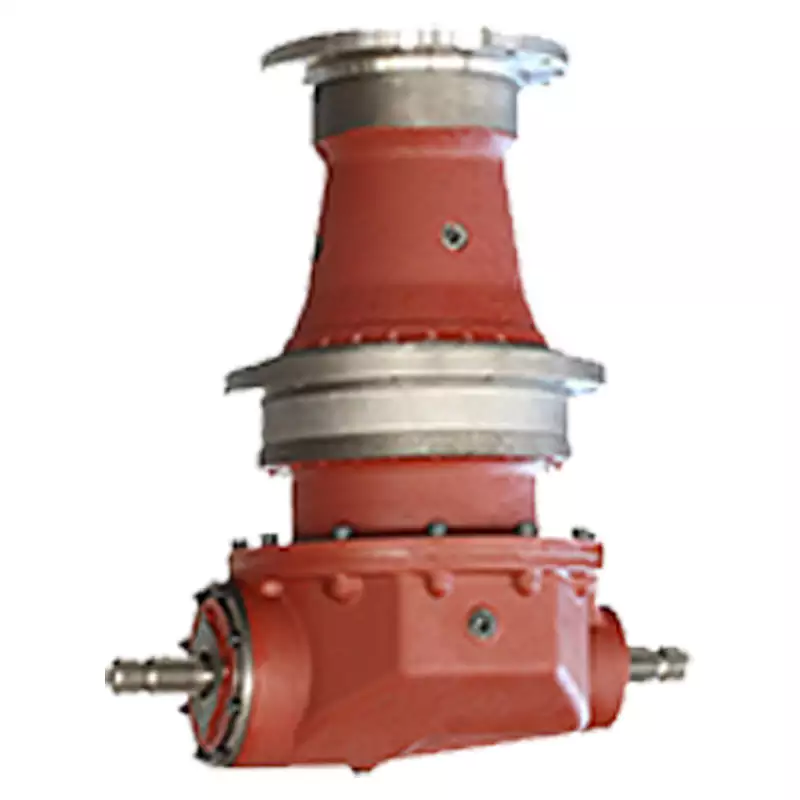
Maintenance Practices for Extending the Lifespan of Speed Reducer Gearboxes
Proper maintenance is essential for ensuring the longevity and optimal performance of speed reducer gearboxes. Here are some crucial maintenance practices to extend their lifespan:
Regular Inspection: Conduct routine visual and auditory inspections to identify any signs of wear, misalignment, or unusual noise. Detecting issues early allows for timely intervention and prevents further damage.
Lubrication: Follow the manufacturer’s guidelines for lubrication frequency and type. Adequate lubrication ensures smooth gear operation, reduces friction, and prevents premature wear and overheating.
Lubricant Quality: Use high-quality lubricants recommended by the gearbox manufacturer. Proper lubricant selection contributes to effective lubrication and protection against corrosion.
Cleaning: Regularly clean the exterior of the gearbox to prevent the accumulation of dirt, debris, and contaminants that could impact its performance and cooling ability.
Torque Check: Periodically check and re-tighten mounting bolts and fasteners to maintain proper torque and prevent loosening due to vibrations and operational forces.
Alignment: Ensure proper shaft alignment to minimize excessive loads on gears and bearings. Misalignment can lead to increased wear and reduced efficiency.
Temperature Monitoring: Monitor the operating temperature of the gearbox and ensure it stays within the recommended range. Excessive heat can degrade lubricant properties and damage internal components.
Seal Inspection: Check seals and gaskets for signs of leaks. Damaged seals can lead to lubricant loss and contamination, affecting gearbox performance.
Filter Replacement: If the gearbox has a filtration system, regularly replace filters to maintain clean lubricant and prevent abrasive particles from causing damage.
Vibration Analysis: Perform periodic vibration analysis to detect any abnormal vibrations that could indicate misalignment, imbalance, or other issues. Addressing these problems promptly can prevent further damage.
Professional Service: Engage with qualified technicians or service providers for comprehensive inspections and maintenance, especially for complex or critical applications.
By adhering to these maintenance practices, you can maximize the lifespan of your speed reducer gearboxes, ensure reliable operation, and avoid costly downtime or premature replacement.
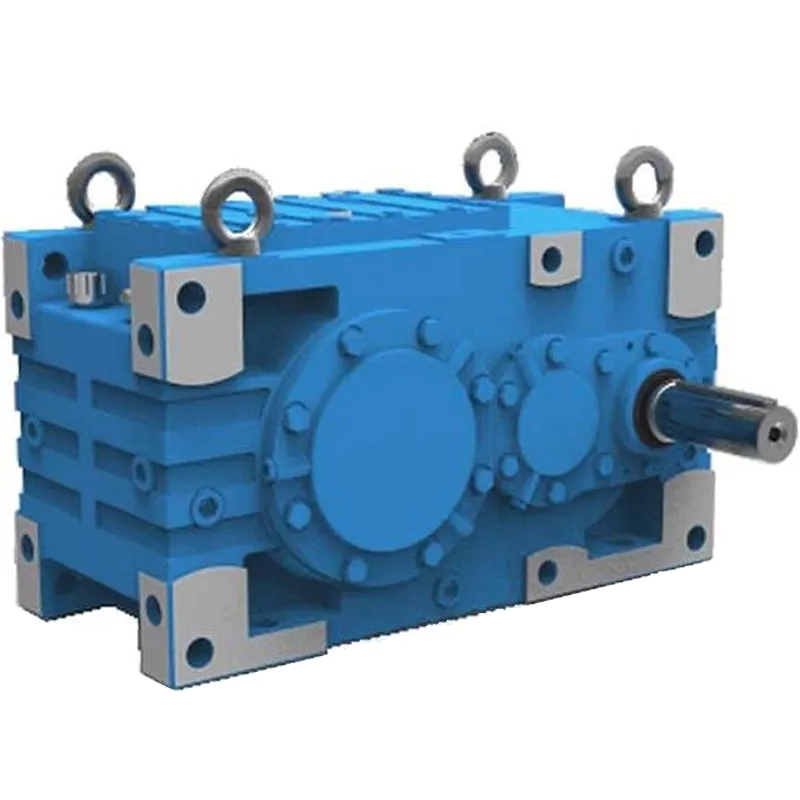
Types of Speed Reducer Gearboxes and Their Applications
Speed reducer gearboxes come in various types, each designed to suit specific applications and performance requirements. These gearbox designs leverage different gear arrangements and mechanisms to achieve the desired speed reduction and torque amplification. Here are some common types of speed reducer gearboxes and their applications:
1. Planetary Gearbox: Planetary gearboxes, also known as epicyclic gearboxes, consist of a central sun gear, multiple planet gears, and a ring gear. This compact design allows for high torque output and efficiency. Planetary gearboxes are commonly used in applications requiring high torque and precision, such as robotics, automated machinery, and aerospace systems.
2. Helical Gearbox: Helical gearboxes utilize helical gears with inclined teeth to transmit power. They provide smooth and quiet operation and are suitable for applications that require moderate speed reduction and torque amplification, such as conveyors, pumps, and industrial mixers.
3. Worm Gearbox: Worm gearboxes consist of a worm screw and a worm wheel. They offer high torque output and are known for their self-locking capability, making them ideal for applications where backdriving prevention is essential, such as lifting mechanisms, gates, and heavy machinery.
4. Bevel Gearbox: Bevel gearboxes use bevel gears to transmit power between intersecting shafts. They are suitable for changing the direction of rotation and transmitting power at right angles. Bevel gearboxes are commonly used in printing presses, woodworking equipment, and automotive applications.
5. Cycloidal Drive Gearbox: Cycloidal drive gearboxes use a unique mechanism with cycloidal motion to achieve speed reduction and torque amplification. They are known for their high shock-load resistance and compact design. Cycloidal drive gearboxes find applications in robotics, packaging machinery, and material handling systems.
6. Spur Gearbox: Spur gearboxes utilize straight-cut spur gears for power transmission. They are simple in design and are suitable for low-speed applications that require minimal torque amplification, such as printing machines, textile equipment, and food processing machinery.
7. Hypoid Gearbox: Hypoid gearboxes use hypoid gears that resemble spiral bevel gears. They offer higher torque capacity and smoother operation compared to traditional bevel gearboxes. Hypoid gearboxes are commonly used in automotive drivetrains and heavy-duty machinery.
8. Harmonic Drive Gearbox: Harmonic drive gearboxes use a flexible spline and wave generator to achieve speed reduction and torque amplification. They are known for their high precision and backlash-free operation, making them suitable for applications requiring precise motion control, such as semiconductor manufacturing and medical devices.
Each type of speed reducer gearbox offers unique advantages and characteristics, making them suitable for specific applications across industries. The choice of gearbox type depends on factors such as required torque, speed reduction ratio, space limitations, efficiency, and operational demands.


editor by CX 2024-01-31