
The final drive on a bulldozer is the last mechanical stage between the hydraulic transmission and the track drive sprocket — the component that must endure the full tractive force of the machine, transmit it reliably through extreme shock loads when the blade strikes rock or stumps, survive decades of continuous outdoor operation in Queensland laterite, Western Australian iron ore country, and alpine Victorian forestry sites, and do all of this without requiring service access more than once every 2 000 operating hours. No other planetary gearbox application demands the combination of extreme torque, severe shock resistance, and long outdoor service life that a bulldozer final drive must deliver.
Final Drive Function and Torque Requirements
The bulldozer final drive is a planetary reduction stage integrated within the track sprocket hub. The hydraulic transmission output shaft drives the planetary sun gear; the ring gear is fixed to the machine frame; the planet carrier rotates and drives the track sprocket through the hub. Typical ratios are 6:1 to 12:1 per stage, with some large machines using a two-stage arrangement for ratios of 25:1 to 50:1. The output torque must be sufficient to propel the machine up a 30° grade with the blade fully loaded — for a 35-tonne bulldozer on a 30° grade: tractive force = 35 000 × 9.81 × sin(30°) + rolling resistance ≈ 180 000 N. At a 330 mm sprocket radius: output torque = 180 000 × 0.33 = 59 400 N·m per side.
| Bulldozer Class | Machine Mass | Grade Capability | Peak Track Tractive Force | Output Torque per Side | Drive Ratio |
|---|---|---|---|---|---|
| Small D3–D4 class | 8 t | 35° | 60 kN | 20 000 N·m | 1:30–1:40 |
| Medium D6–D7 | 20 t | 35° | 120 kN | 40 000 N·m | 1:50–1:70 |
| Large D9–D10 | 55 t | 30° | 260 kN | 90 000 N·m | 1:80–1:100 |
| Mining D11 | 100 t | 25° | 400 kN | 140 000 N·m | 1:100–1:130 |
| Ultra D12 class | 130 t | 20° | 500 kN | 175 000 N·m | Custom compound |
Output torque = tractive force × sprocket radius. Grade capability is typical maximum for loaded machine.
Shock Load Resistance: The Defining Requirement
A bulldozer blade striking a buried rock or concrete stub during a push transmits an instantaneous shock torque to the final drive that can be 5–10 times the steady pushing torque. At 10× factor on a D9-class machine: shock torque = 90 000 × 10 = 900 000 N·m at the sprocket — approaching one million newton-metres through a planetary gearbox the size of a kitchen table. This shock is transmitted in less than 0.1 seconds and must be absorbed by the planet gears (which deflect elastically), the planet pin bearings (which must not brine), and the ring gear housing (which must not crack). Case-hardened gear teeth with shot-peened roots, large planet pin diameters with full-complement roller bearings, and thick-wall ductile iron ring gear housings are the standard response to this requirement.
Lubrication and Oil Change Intervals
Bulldozer final drives are lubricated by an oil bath — the sprocket hub is a sealed chamber partially filled with gear oil, and the planet gears dip into the oil bath on each revolution. Unlike forced-circulation systems, there is no filter in this circuit; wear particles remain in suspension until the oil is changed. For this reason, oil change intervals of 2 000 hours are universal, with oil level checks at 250-hour intervals. Magnetic drain plugs on the final drive housing attract iron wear particles and should be inspected and cleaned at each oil level check — the amount of magnetic debris at each check tracks the gear and bearing wear rate.
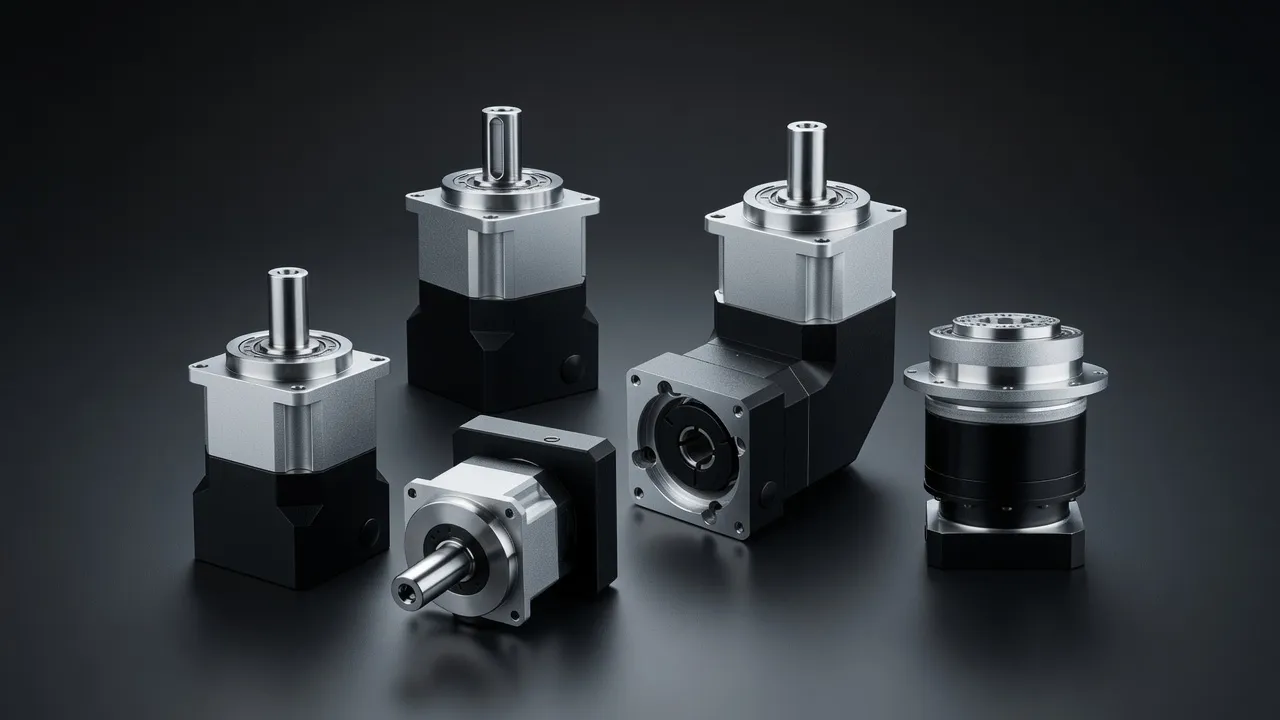
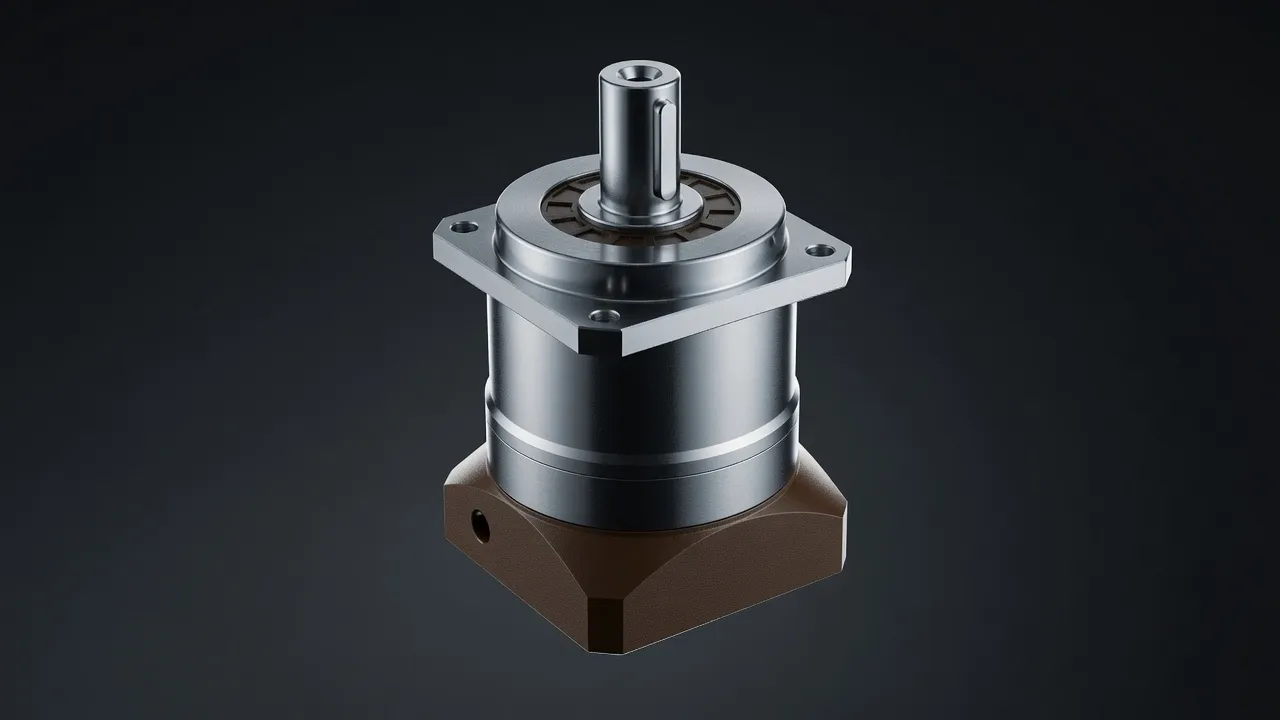
The EPX heavy planetary gearbox applies the same gear material and heat treatment philosophy used in bulldozer final drives to industrial heavy-duty applications — case-hardened 20CrMnMo gears, shot-peened tooth roots, and conservative tooth load factors. The EPB high-precision torque planetary adds the precision assembly standards required when positional accuracy is needed in addition to high torque. For heavy-duty outdoor drives in comparable mining and earthmoving environments, the RR528 heavy-duty worm gearbox demonstrates alternative approach for lower-ratio applications.
Wear Monitoring and Service Life Prediction
Bulldozer final drives last 8 000–15 000 hours under normal operating conditions, with the planet pin bearings and planet gear tooth surfaces being the primary wear components. Monitoring final drive wear is done through oil analysis (trending iron particle counts per sample), backlash measurement (increasing angular play at the sprocket hub indicates planet gear wear), and vibration analysis (bearing frequency changes detectable with a handheld analyser at the sprocket hub). Fleet managers operating multiple bulldozers use trending data from all three methods to predict remaining final drive life and schedule proactive replacement during planned downtime rather than emergency field repairs.
Frequently Asked Questions
Speak with a Planetary Drive Specialist
Share your torque requirement, ratio, and application environment — our team at Condell Park NSW returns a sized recommendation and stock check within one business day. No obligation.